

Recipe
Transform Your Miso Soup! Kasahara-Style Dried Anchovy Dashi Secrets
Ingredients
- 10dried anchovies (niboshi)
- 5gkombu
- 600mlwater
- 1sheet fried tofu (aburaage)
- 1scallion (Japanese long green onion)
- 3small potatoes
- 1pickled plum (umeboshi)
- 3tbsp miso
- 2tbsp mirin
- 1tsp + 1 tbsp soy sauce
- 1tbsp sake
- Apinch of sugar
- 1tbsp vegetable oil
- Apinch of white sesame seeds
- Apinch of ichimi chili powder
About "Dried Anchovy Dashi Miso Soup & Simmered Dried Anchovies and Potatoes with Umeboshi"
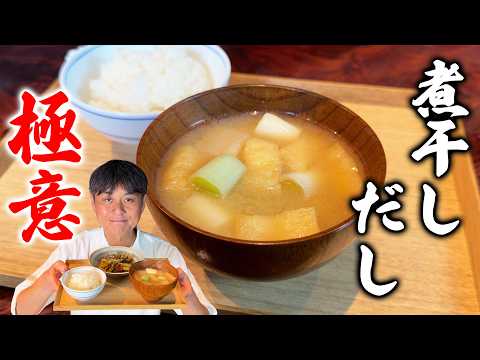
Kasahara-style miso soup made with prepped dried anchovies and cold-brew dashi. The synergistic effect of dried anchovies and kombu creates a complex umami flavor. Key points include precise 60–70°C temperature control and a simmered side dish with umeboshi that utilizes the leftover dashi dregs. Simple ingredients like fried tofu and scallions evoke the Edo period, highlighting the natural flavors of the ingredients.
Introduction to 【賛否両論】笠原将弘の料理のほそ道 →
Tips for Making "Dried Anchovy Dashi Miso Soup & Simmered Dried Anchovies and Potatoes with Umeboshi"
-
Prep
- Choose dried anchovies that are curved like the letter 'he' (へ), and carefully remove their heads and innards. Removing the bitter innards ensures a clear, clean-tasting dashi.
-
Dashi
- Soak the dried anchovies and kombu in water, preferably overnight in the refrigerator (or at least 2 hours if short on time). The synergy between the glutamic acid in kombu and the inosinic acid in anchovies more than doubles the umami.
-
Heat control
- Place the dashi in a pot over medium heat and warm to 60–70°C. Boiling will release a fishy odor, so turn off the heat once tiny bubbles form around the edges and let it sit for 10 minutes.
-
Seasoning
- Kasahara's style is to add mirin and soy sauce after dissolving the miso. This adds sweetness and depth for a more complex flavor. Be careful not to let it boil.
-
Prep
- Peel the potatoes, julienne them into matchsticks, and rinse quickly in water to wash away excess starch. Choose a variety that holds its shape well.
-
Cooking technique
- The simmered side dish uses the leftover dried anchovies and kombu, pairing the anchovies (sardines) with the acidity of pickled plums. Simmer and stir until the liquid completely evaporates.
Ingredients for "Dried Anchovy Dashi Miso Soup & Simmered Dried Anchovies and Potatoes with Umeboshi"
15 items* Tap ingredient names to find on Amazon
How to Make "Dried Anchovy Dashi Miso Soup & Simmered Dried Anchovies and Potatoes with Umeboshi"
- 1
Carefully remove the heads and bitter innards of the dried anchovies by hand.
- 2
Soak the prepped dried anchovies and 5g of kombu in 600ml of water, preferably overnight in the refrigerator (or for at least 2 hours if short on time).
- 3
Cut the fried tofu into strips. Cut the white part of the scallion into 2cm pieces, and thinly slice the green part diagonally.
- 4
Peel the potatoes, julienne them into matchsticks, and rinse quickly in water.
- 5
Transfer the soaked dried anchovies, kombu, and water to a pot. Heat over medium heat until it reaches 60–70°C. Once tiny bubbles start to form around the edges, turn off the heat and let it sit for 10 minutes.
- 6
Remove the dried anchovies and kombu from the dashi. Thinly slice the kombu.
- 7
Add the white part of the scallion and the fried tofu to the dashi. Bring to a simmer and cook until tender.
- 8
Dissolve 3 tbsp of miso into the soup, then add 1 tbsp of mirin and 1 tsp of soy sauce (be careful not to let it boil).
- 9
Heat 1 tbsp of vegetable oil in a frying pan, add the julienned potatoes, and stir-fry until coated with oil.
- 10
Add the green part of the scallion and stir-fry briefly, then add the leftover dried anchovies and sliced kombu, tossing them together.
- 11
Add 1 tbsp of sake, 1 tbsp of soy sauce, 1 tbsp of mirin, a pinch of sugar, and the torn pickled plum (including the pit).
- 12
Simmer and stir until the liquid evaporates, then sprinkle with ichimi chili powder to your preferred level of spiciness.
- 13
Ladle the miso soup into a bowl. Plate the simmered anchovies and potatoes separately, and sprinkle with white sesame seeds.
Food Science
Combining the glutamic acid in kombu with the inosinic acid in dried anchovies triggers an umami synergy, creating a deep and rich flavor. Additionally, slowly extracting the dashi at a temperature range of 60–70°C efficiently draws out the umami compounds while suppressing off-flavors and fishy odors. Furthermore, adding the acidity of the pickled plum, the spiciness of the chili pepper, and the sweetness, saltiness, and umami of the seasonings to the simmered dish balances the five basic tastes, enhancing the overall deliciousness.
Detailed Commentary on "Dried Anchovy Dashi Miso Soup & Simmered Dried Anchovies and Potatoes with Umeboshi"
* Content organized by topics from the video.
A Humorous Greeting and Today's Menu
The video starts with chef Masahiro Kasahara giving a humorous greeting, mimicking a famous Japanese TV reporter. Chatting warmly with his staff, he introduces today's theme: how to make dashi using dried anchovies (also known as iriko). Using this dashi, he prepares a simple miso soup featuring only fried tofu and scallions, inspired by the Edo period. He also demonstrates an easy, delicious side dish that makes full use of the leftover dried anchovies after making the dashi. While his restaurant, Sanpi Ryoron, typically uses bonito and kombu dashi, today he shares his secrets for a dried anchovy dashi that will dramatically elevate your home-cooked miso soup.
Choosing and Prepping Curved Dried Anchovies
First, he explains how to choose the star ingredient, dried anchovies. The secret to selecting delicious ones is to look for those curved like the Japanese character "he" (へ) toward the belly. If low-quality or less fresh anchovies are dried, their bellies burst and bend backward, so a firm, curved belly is a sign of high quality. For 3 to 4 servings, he uses 10 dried anchovies. To achieve a clean-tasting dashi, he carefully removes the heads and bitter innards by hand. Since the innards carry bitterness, removing them ensures a clear flavor free of off-tastes. However, Kasahara shares an anecdote about how grandmothers in the countryside used to leave them in, noting that you can adjust this to your preference.
Cold-Brewing and Temperature Control for Umami
Soak the prepped dried anchovies in 600ml of water. While simply soaking them in water overnight in the fridge yields a delicious dashi, he adds 5g of dashi kombu to make it even better. Combining the glutamic acid in kombu with the inosinic acid in dried anchovies creates a synergistic effect that more than doubles the umami. Transfer the overnight mixture to a pot and place it over medium heat. The key is to maintain a temperature of 60–70°C, as boiling will release a fishy odor. Once tiny bubbles form around the edges of the pot, turn off the heat and let it sit for 10 minutes. This dashi-making process sparks a fun conversation about old-school bridal training and mother-in-law tropes in TV dramas.
Edo-Period Inspired Ingredients
While letting the dashi rest, prepare the ingredients. For the miso soup, prepare 1 scallion and 1 sheet of fried tofu, inspired by the Edo-period "Nebuka-jiru" (scallion soup). Cut the fried tofu into strips and the white part of the scallion into 2cm pieces. Kasahara shares some historical context, noting that tofu and fried tofu were widely eaten during the Edo period. The green part of the scallion is thinly sliced diagonally to be used in the side dish made with the leftover dried anchovies. For the other ingredient in the side dish, use 3 small potatoes. He chooses May Queen potatoes because they hold their shape well, peels them, juliennes them into thick matchsticks, and rinses them quickly in water to remove excess starch.
Finishing the Miso Soup with Secret Ingredients
Remove the dried anchovies and kombu from the dashi. Add the white part of the scallion and the fried tofu to the dashi, and simmer gently until the scallion is cooked through. When a staff member mentions that miso soup with onions and eggs is also delicious, Kasahara remarks, "Adding an egg was a luxury. My grandfather used to drop one in to build stamina when he caught a cold," leading to a tangent about the raw egg scene in the movie *Rocky* and stories about his classmates. Once the scallions are cooked, dissolve 3 tbsp of miso into the soup. Kasahara's signature touch is adding 1 tbsp of mirin and 1 tsp of soy sauce at the end, which adds sweetness and depth to create a complex flavor. Be careful not to let the soup boil after adding the miso.
Repurposing Dashi Dregs into a Side Dish
Use the leftover dried anchovies and kombu from the dashi to make another side dish. Heat 1 tbsp of vegetable oil in a frying pan and stir-fry the julienned potatoes. Once coated in oil, add the green part of the scallion and stir-fry briefly. Next, add the leftover dried anchovies and the thinly sliced kombu. Season with 1 tbsp of sake, 1 tbsp of soy sauce, 1 tbsp of mirin, and a pinch of sugar, then add 1 torn pickled plum (umeboshi) along with its pit. Inspired by "simmered sardines with umeboshi," the acidity of the plum pairs beautifully with the dried anchovies (which are baby sardines). Simmer and stir until the liquid evaporates, then finish with a pinch of ichimi chili powder and a pinch of white sesame seeds.
A Perfect Set Meal with a New Employee
Serve the completed dried anchovy dashi miso soup and the simmered dried anchovies and potatoes with umeboshi alongside white rice for a taste test. Taking a sip of the miso soup, Kasahara praises it, saying, "It's deeply comforting. It has the distinct umami of small fish, different from bonito." The side dish, with its bright plum flavor, pairs perfectly with rice to create an ideal set meal. At this point, Shohei Miyazaki, a first-year new employee, joins them. To ease his quiet, nervous demeanor, Kasahara playfully teases him with references to singer Koji Kikkawa. Shohei shares his dream: "My father runs an Italian restaurant, so in the future, I want to open a place that serves both Japanese and Italian cuisine." Kasahara jokingly replies, "You'll be busy boiling pasta while slicing sashimi!" ending the video on a warm, cheerful note.
About 【賛否両論】笠原将弘の料理のほそ道
【賛否両論】笠原将弘の料理のほそ道
136万人 subscribers ・ 和食
* Opens YouTube channel
* Subscriber count is as of article creation and may differ from the current number.
