

Recipe
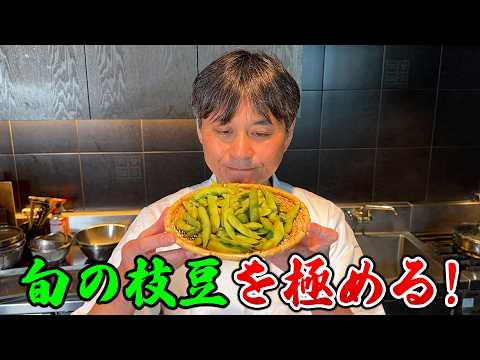
How to Boil Edamame Perfectly! Kasahara-Style Edamame Shinjo
Ingredients
- Edamame:300g
- Hanpen(fish cake): 2 cakes
- Nagaimo(mountain yam): 50g
- Eggyolk: 1
- Greenyuzu zest: a pinch
- Potatostarch slurry: 2 tbsp (for the gin-an glaze)
- Saladoil: 60 ml
- Salt:to taste (for rubbing edamame: 1 tbsp)
- [A]Potato starch: 2 tbsp
- [A]Salt: 2 pinches
- [B(Gin-an glaze)] Dashi: 200 ml
- [B(Gin-an glaze)] Light soy sauce: 1 tbsp
- [B(Gin-an glaze)] Mirin: 1 tbsp
- [B(Gin-an glaze)] Salt: 1 pinch
About "Edamame Shinjo (Steamed Edamame & Fish Dumplings)"
Introducing a home-friendly "Edamame Shinjo" made with seasonal edamame, hanpen, and nagaimo. No food processor needed—this recipe uses simple techniques like mashing hanpen in a plastic bag and finely chopping nagaimo to create an authentic shinjo mixture. The secret to the fluffy texture is "tamago no moto," made by gradually emulsifying egg yolk and salad oil. After steaming, the dumplings are draped in a clear "gin-an" glaze made from bonito and kelp dashi, then finished with grated green yuzu zest for an elegant, restaurant-quality dish. A guide on how to boil edamame perfectly is also included.
Introduction to 【賛否両論】笠原将弘の料理のほそ道 →
Tips for Making "Edamame Shinjo (Steamed Edamame & Fish Dumplings)"
-
Prep (Edamame)
- Wash the edamame and rub them with salt (1 tbsp) while wet, then let sit for 5 minutes. This removes dirt and infuses them with flavor.
-
Prep (Edamame)
- Boil the edamame in a generous amount of water for a vibrant color and better flavor. Boil for 1 to 2 minutes until the pods plump up.
-
Prep (Edamame)
- Rinse quickly with water to cool slightly, but do not submerge in ice water, which washes away the umami.
-
Prep (Shinjo Base)
- Mash the hanpen in a plastic bag by hand to eliminate the need for a food processor and minimize cleanup.
-
Prep (Shinjo Base)
- Mince the nagaimo with a knife instead of grating it. This prevents excess moisture from releasing, creating a fluffy, mousse-like texture.
-
Prep (Egg Base)
- Create the "egg base" by slowly whisking salad oil into room-temperature egg yolk to emulsify it. Add the oil gradually to prevent separation.
-
Shaping
- Wet your hands with water and shape the mixture into bite-sized rounds, keeping in mind that they will expand slightly when steamed.
-
Heat Control
- Steam the shinjo in a fully preheated steamer. Start on high heat, then reduce to low heat and steam for 12 minutes to prevent cracking.
-
Equipment Tip
- If you don't have a steamer, boil 1 to 2 cm of water in a frying pan, float a tray inside, and cover with a lid.
-
Glaze (Gin-an)
- Gradually add the potato starch slurry to the boiling dashi mixture while stirring continuously to prevent clumps.
-
Finishing
- Grate green yuzu zest over the dish at the end to add a refreshing aroma and an elegant, high-end touch.
Ingredients for "Edamame Shinjo (Steamed Edamame & Fish Dumplings)"
14 items* Tap ingredient names to find on Amazon
- Edamame:300g
- Hanpen(fish cake): 2 cakes
- Nagaimo(mountain yam): 50g
- Eggyolk: 1
- Greenyuzu zest: a pinch
- Potatostarch slurry: 2 tbsp (for the gin-an glaze)
- Saladoil: 60 ml
- Salt:to taste (for rubbing edamame: 1 tbsp)
- [A]Potato starch: 2 tbsp
- [A]Salt: 2 pinches
- [B(Gin-an glaze)] Dashi: 200 ml
- [B(Gin-an glaze)] Light soy sauce: 1 tbsp
- [B(Gin-an glaze)] Mirin: 1 tbsp
- [B(Gin-an glaze)] Salt: 1 pinch
How to Make "Edamame Shinjo (Steamed Edamame & Fish Dumplings)"
- 1
Wash the edamame (300g) with water. While still wet, place them in a bowl, add salt (1 tbsp), rub them thoroughly, and let sit for about 5 minutes.
- 2
Bring a generous amount of water to a boil. Add the edamame and boil for 1 to 2 minutes while stirring. Once the pods plump up and slightly pop open, drain them in a colander and quickly rinse with cold water to cool slightly (do not submerge in ice water).
- 3
Place the hanpen (2 cakes) in a plastic bag and mash them thoroughly with your hands.
- 4
Finely mince the nagaimo (50g) with a knife until it becomes a paste (do not grate it).
- 5
Separate a room-temperature egg and place the yolk (1) in a bowl. Gradually add salad oil (60 ml) while whisking to emulsify it into a mayonnaise-like "egg base".
- 6
In a separate bowl, combine the mashed hanpen, minced nagaimo, and egg base. Add ingredients A (2 tbsp potato starch, 2 pinches salt) and mix until smooth.
- 7
Remove the boiled edamame from their pods and fold them into the bowl from step 6.
- 8
Wet your hands with water, shape the mixture into bite-sized round dumplings, and arrange them on a tray.
- 9
Bring the steamer to a full boil so it is filled with steam. Place the shinjo inside and cover. Start on high heat to distribute the steam, then reduce to low heat and steam for about 12 minutes.
- 10
In a pot, combine ingredients B (200 ml dashi, 1 tbsp light soy sauce, 1 tbsp mirin, 1 pinch salt) and bring to a boil. Gradually add the potato starch slurry (2 tbsp) while stirring to thicken and create the gin-an glaze.
- 11
Plate the steamed shinjo, pour a generous amount of the hot gin-an glaze over them, and finish by grating green yuzu zest over the top.
Detailed Commentary on "Edamame Shinjo (Steamed Edamame & Fish Dumplings)"
* Content organized by topics from the video.
Major Announcement: Bangkok Tour!
Leaving Ebisu behind, Chef Kasahara excitedly announces a 4-day, 3-night tour to Bangkok, Thailand, featuring a live recording of "Ryori no Hosomichi." The tour is packed with activities, including tasting improvised dishes made with local ingredients, sightseeing at the Ayutthaya ruins, elephant riding, and an event to win original merchandise. Scheduled to depart on October 16, 2026, the tour will be accompanied by a Nippon Travel Agency guide. Kasahara enthusiastically invited viewers to join, saying, "Shake hands with me in Bangkok!" like a hero at an amusement park show, showing his immense excitement.
Seasonal Edamame Shinjo
Joking that he is exhausted after making the big announcement, Chef Kasahara introduces today's main ingredient: seasonal edamame. While traditional restaurants make authentic "shinjo" by grinding fish paste in a mortar, he proposes a simplified, home-friendly "Edamame Shinjo." He aims for a restaurant-style finish, adapting this classic soup dumpling for the summer season.
Kasahara-Style: How to Boil Edamame
Chef Kasahara shares his secrets for boiling edamame (300g) perfectly. First, wash away any dirt with water, and while they are still wet, thoroughly rub them with salt (1 tbsp). This salt-rubbing step not only cleans the pods but also infuses them with a balanced salty flavor. After letting them sit for about 5 minutes, boil them in a generous amount of water—a key Kasahara detail. While some prefer boiling in a small amount of water, he explains that a large pot of water yields a more vibrant color and better flavor. Boil for 1 to 2 minutes, and drain in a colander once the pods plump up. Quickly rinse with water to cool, but avoid ice water as it washes away the umami. Finish with a sprinkle of salt to taste for an instant, top-tier snack.
Easy Shinjo Base with Hanpen & Nagaimo
For the base of the shinjo mixture, convenient "hanpen" (2 cakes) is used. Instead of a food processor, he demonstrates how to mash it by hand inside a plastic bag—a handy technique that reduces cleanup and is easy to replicate at home. To bind the mixture, "nagaimo" (50g) is added. Grating nagaimo releases too much moisture, so the key is to finely mince it with a knife into a paste. Mincing prevents excess water from releasing, resulting in a light, mousse-like texture.
Pro Technique: Fluffy 'Egg Base'
He prepares "tamago no moto" (egg base), the most crucial element for achieving an incredibly fluffy texture. Whisk room-temperature egg yolk (1) while gradually adding salad oil (60 ml) to emulsify it into a mayonnaise-like consistency. Adding the oil all at once will cause it to separate, so the secret is patience—adding it in a slow, steady stream while whisking. Combine this egg base with the mashed hanpen and nagaimo, then mix in potato starch (2 tbsp) and salt (2 pinches). Finally, fold in the boiled, shelled edamame. This versatile base can be customized with other ingredients like corn, shrimp, or crab sticks.
Shaping and Steaming Gently
Wet your hands with water, shape the mixture into bite-sized round dumplings, and arrange them on a tray. Since they expand slightly when steamed, keep their size in mind while shaping. Bring the steamer to a full boil to build up steam, place the shinjo inside, and cover. Start on high heat to distribute the steam, then reduce to low heat and steam for about 12 minutes. Just like chawanmushi (savory egg custard), too much heat will cause them to crack, so steaming gently on low heat is the professional secret to a moist finish. If you don't have a steamer, you can substitute by boiling 1 to 2 cm of water in a frying pan, floating a tray inside, and covering it with a lid.
Finishing with Elegant Gin-an Glaze
He prepares an elegant "gin-an" glaze to pour over the steamed shinjo. In a pot, combine bonito and kelp dashi (200 ml), light soy sauce (1 tbsp), mirin (1 tbsp), and salt (1 pinch), and bring to a boil. Once boiling, gradually add potato starch slurry (2 tbsp) while stirring to prevent clumping and thicken the sauce. Plate the steamed shinjo, pour the hot gin-an glaze generously over them, and finish by grating seasonal green yuzu zest on top. The refreshing aroma elevates the dish instantly, creating a luxurious, restaurant-quality plate.
Tasting & Apprentice Memories
Tasting the freshly made dish, Chef Kasahara highly praises it, saying, "The contrast between the fluffy base and the crunchy edamame is amazing—it tastes exactly like a restaurant dish." He highly recommends it as a bento side dish or a beer snack. During the tasting with his staff, they chat about common kitchen apprentice experiences, recalling how he used to get scolded by his seniors for unconsciously snacking on (tasting) one out of every ten edamame he shelled. He also shares a humorous story about old-school chefs who would put sake and a splash of soy sauce in a teacup, pretending to drink tea while getting tipsy, wrapping up the video in a warm, friendly atmosphere.
About 【賛否両論】笠原将弘の料理のほそ道

【賛否両論】笠原将弘の料理のほそ道
136万人 subscribers ・ 和食
* Opens YouTube channel
* Subscriber count is as of article creation and may differ from the current number.
