

Recipe
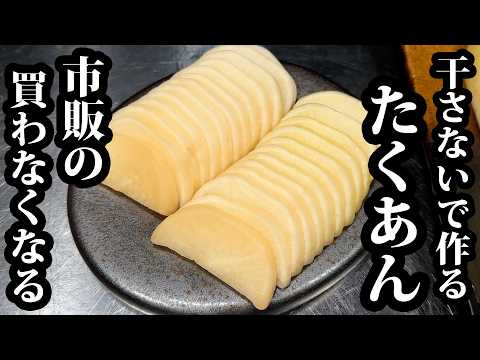
【Never Buy Store-Bought Again】Unpeeled Takuan (Pickled Daikon) is Too Good with Rice...
Ingredients
- 1daikon radish (800g)
- 40gsalt (5% of daikon weight)
- 64grice vinegar (8% of daikon weight)
- 40gcane sugar (5% of daikon weight)
- 5gshredded kombu
- 1red chili pepper (takanotsume)
About "Unpeeled Takuan (Pickled Daikon Radish)"
This authentic homemade Takuan (pickled daikon) is made by keeping the daikon unpeeled, salting it for 3 days to draw out moisture, and seasoning it with rice vinegar, cane sugar, shredded kombu, and red chili pepper. By skipping the drying process, this quick method takes only 6 days to complete. It features an extra crunchy texture unique to unpeeled daikon, with a refined flavor that perfectly balances the sweetness of the radish, the acidity of the vinegar, and the umami of the kombu. It pairs incredibly well with hot white rice.
Introduction to 飲食店独立学校 /こうせい校長 →
Tips for Making "Unpeeled Takuan (Pickled Daikon Radish)"
-
Choosing Daikon
- Choose a daikon that is straight, firm, and heavy. Avoid twisted ones, as they tend to be spicier.
-
Why Keep Skin On
- Leaving the skin on adds volume and significantly improves the crunch. The fibrous skin creates a pleasant texture.
-
Purpose of Salting
- Rubbing in salt at 5% of the daikon's weight thoroughly extracts moisture, improving preservation and texture.
-
Choosing Sugar
- Using cane sugar adds a mellow richness and softens the sharp acidity thanks to its unrefined minerals and flavor.
-
Heating Liquid
- Heat only enough to dissolve the sugar to preserve the aroma of the rice vinegar while mellowing its acidity.
-
Role of Chili
- The antibacterial properties of capsaicin prevent mold to extend shelf life, while adding a subtle kick to tighten the flavor.
-
Storage Tip
- Line the container with paper towels and change them daily to remove moisture and extend shelf life.
Ingredients for "Unpeeled Takuan (Pickled Daikon Radish)"
6 items* Tap ingredient names to find on Amazon
How to Make "Unpeeled Takuan (Pickled Daikon Radish)"
- 1
Selecting and Prepping the Daikon
Choose a daikon radish that is straight, firm, and heavy. Cut off the leaves, and use a knife to remove any damaged or dry spots and root hairs. Cut the daikon into 4 equal lengths, then cut each piece in half lengthwise so they submerge easily in the pickling liquid.
- 2
Salting to Draw Out Moisture
Place a damp cloth under a bowl for stability, and add the cut daikon. Add salt (40g, 5% of the daikon's weight) and rub it thoroughly all over the pieces. Place the daikon flat in a resealable plastic bag (like a Ziploc), lay it on a tray, and place a weight on top. Keep in the refrigerator for 3 days to thoroughly draw out the moisture.
- 3
Rinsing and Preparing the Pickling Liquid
After 3 days, remove the daikon and rinse off excess salt and odor under running water. Prepare a new plastic bag, and thoroughly pat the daikon dry with paper towels. In a pot, combine rice vinegar (64g) and cane sugar (40g), then heat until the sugar dissolves. Once dissolved, immediately cool the pot in ice water.
- 4
Adding Kombu and Chili for Final Pickling
Rinse the shredded kombu quickly under water and pat dry thoroughly with paper towels. Scatter the kombu evenly into the bag with the daikon, then pour in the cooled pickling liquid. Add one red chili pepper for flavor and preservation, then squeeze out the air and seal the bag. Place the bag in the refrigerator with the kombu side down so it submerges in the liquid, and pickle for another 3 days.
- 5
Completion and Storage
After another 3 days, remove from the refrigerator. Remove the kombu and thoroughly wipe off any moisture on the surface of the Takuan with paper towels. Line a container with paper towels, place the Takuan on top, and store in the refrigerator. Change the paper towels daily to extend its shelf life.
Food Science
The dehydrating effect of salt draws out excess moisture from the daikon, improving its crunchiness and allowing flavors to penetrate more easily. Additionally, combining the sweetness of cane sugar, the acidity of rice vinegar, and saltiness with the spiciness of red chili and the glutamic acid (umami) of kombu balances the five basic tastes, creating a deep and complex flavor. The acidity (pH) of the vinegar also enhances preservation, working synergistically to elevate the overall deliciousness.
Detailed Commentary on "Unpeeled Takuan (Pickled Daikon Radish)"
* Content organized by topics from the video.
How to Choose Daikon & the History of Takuan
Let's start with how to choose a delicious daikon radish. Look for one that is straight, firm, and heavy. The spicy compound in daikon, isothiocyanate, is produced more when the radish experiences stress during growth, meaning twisted radishes tend to be spicier. Fresh leaves with moist cut ends are also a sign of freshness. Traditionally, Takuan is a fermented food made by sun-drying daikon to remove moisture and then pickling it in rice bran (nuka), but we are skipping the drying process to save time. There are various theories about the origin of the name 'Takuan,' but one popular story is that a Zen monk named Takuan Soho presented this pickle to the shogun Tokugawa Iemitsu. Iemitsu was so impressed by its deliciousness that he declared, 'It is a waste for such a wonderful pickle to remain nameless; from now on, let it be called Takuan.'
Why Keep the Skin On & Daikon Prep
For this recipe, we will use one whole daikon (800g) with the skin on. Cut off the leaves (if they are fresh, you can boil them and mix them into rice), and use a knife to remove only the damaged, dry parts, and root hairs. I used to peel the daikon, but this time we are intentionally keeping the skin on. Leaving the skin on gives the pickles more volume and, most importantly, makes the texture incredibly crunchy. Daikon skin is fibrous and often peeled because it can feel tough, but when sliced thinly as Takuan, these fibers create a wonderfully pleasant crunch. For prep, cut the daikon into 4 equal lengths, then cut each piece in half lengthwise so they submerge easily in the pickling liquid.
The Salting Process to Draw Out Moisture
Place a damp cloth under your bowl to prevent it from slipping, and add the cut daikon. Add salt (40g, which is 5% of the daikon's weight) and rub it thoroughly all over the pieces. While standard seasoning usually calls for about 1% salt relative to the ingredients (which is close to the 0.8–0.9% salinity of human bodily fluids and tastes naturally delicious), making Takuan requires a higher salt concentration to thoroughly draw out moisture, improve preservation, and enhance the texture. Since the salt drains out along with the water, the final product won't be overly salty. Once the salt is rubbed in, place the daikon flat in a food-grade plastic bag (like a Ziploc), lay it on a tray, and place a weight on top. Leave it in the refrigerator for 3 days to thoroughly extract the moisture.
Rinsing and Preparing the Pickling Liquid
After 3 days, remove the daikon and rinse off excess salt and odor under running water. You will see that a lot of moisture has been drawn out. Prepare a new plastic bag, and carefully wipe off any moisture on the surface of the daikon with paper towels. The key is to dry it thoroughly, as excess moisture can cause spoilage and dilute the flavor. Next, make the pickling liquid. In a pot, combine rice vinegar (64g, 8% of the daikon's weight) and cane sugar (40g, 5% of the daikon's weight). While you can use white granulated sugar, cane sugar is less refined, retaining the natural minerals and flavor of sugarcane, which adds a mellow richness and softens the sharp acidity. Heat the mixture just until the sugar dissolves. Keeping the heating to a minimum preserves the aroma of the rice vinegar while mellowing its acidity. Once dissolved, cool it rapidly by placing the pot in ice water.
Adding Kombu and Chili for Final Pickling
Next, prep the shredded kombu (5g). Rinse it quickly and pat it completely dry with paper towels. We are using shredded kombu so it's easy to eat along with the Takuan, but regular kombu works too. Kombu is added to infuse the daikon with umami and aroma. Scatter the dried kombu evenly into the bag with the daikon. Pour in the cooled pickling liquid, and add one red chili pepper to enhance the flavor and preservation. The capsaicin in chili peppers has strong antibacterial properties, which helps prevent mold and extends shelf life, while adding a subtle kick that tightens the overall flavor. Squeeze the air out of the bag, seal it, and place it in the refrigerator with the kombu side down so it stays submerged in the liquid. Pickle for another 3 days.
Completion and Tips for Long-Lasting Storage
After another 3 days, remove the bag from the refrigerator. First, remove the kombu, then thoroughly wipe off any moisture on the surface of the Takuan with paper towels. Since moisture continues to draw out of the daikon during pickling, wiping it off is crucial to prevent spoilage during storage. To store, line a container with paper towels, place the Takuan on top, and keep it in the refrigerator. Changing the paper towels daily will help it last much longer. Even though the daikon pieces are thick, the pickling liquid penetrates all the way to the center, and the skin gets slightly wrinkled as the moisture leaves, giving it a delicious, authentic look. You can serve the removed kombu alongside the Takuan to enjoy together.
Tasting Time: Irresistible Crunchy Texture
Slice the finished Takuan thinly, arrange it on a plate, and it's finally time to taste! Taking a bite, you can't help but exclaim, 'This is incredibly delicious!' The crispy, crunchy texture unique to the unpeeled skin is absolutely irresistible. The sweetness of the daikon, the refreshing acidity of the vinegar, and the rich umami of the kombu harmonize beautifully. Because the daikon wasn't dried, it retains a pleasant juiciness; the flavors penetrate deeply, yet it remains light and refined. It is simple yet incredibly perfected—so delicious that you'll keep reaching for more white rice, and it makes the perfect topping for ochazuke (rice with green tea). Making it yourself over several days adds a touch of love, making it taste a hundred times better than store-bought!
About 飲食店独立学校 /こうせい校長

飲食店独立学校 /こうせい校長
116万人 subscribers ・ 飲食店経営・家庭料理
* Opens YouTube channel
* Subscriber count is as of article creation and may differ from the current number.
