

Recipe
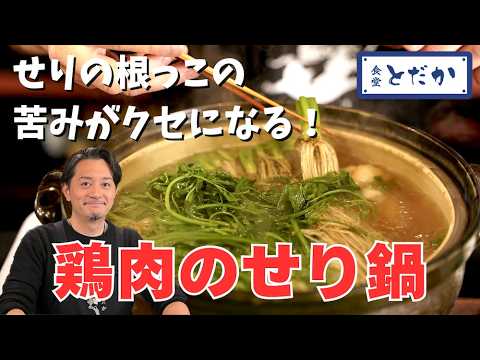
Chicken and Seri (Water Dropwort) Hot Pot: The roots of this Japanese herb are delicious! Sear the chicken skin until crispy for maximum aroma.
Ingredients
- 2bunches of seri (Japanese water dropwort, with roots)
- 1to 2 chicken thighs
- 1block of tofu
- 1.5liters ichiban dashi (primary dashi stock)
- 50ml usukuchi (light) soy sauce
- 7gsalt (approx. 1 1/4 tsp)
About "Chicken and Seri Hot Pot (Seri Nabe)"
A perfect hot pot for winter to early spring, combining chicken thighs and seri (Japanese water dropwort) with roots. The savory fat from the crispy-seared chicken and the flavor of ichiban dashi harmonize beautifully with the refreshing aroma of seri and the pleasant bitterness of its roots. Featuring a deep, nourishing flavor from simple ingredients, it can also be easily made using store-bought dashi packets.
Introduction to 動画 de 食堂とだか 料理人・戸高雄平 →
Tips for Making "Chicken and Seri Hot Pot (Seri Nabe)"
-
Prep
- Thoroughly wash the seri roots in a bowl of water to carefully remove all dirt and sand.
-
Prep
- Cut the chicken thighs into bite-sized pieces and season with salt beforehand to lock in the umami.
-
Heat control
- Sear the chicken skin-side down in a pan without oil for about 5 minutes until crispy and golden. Add the rendered fat to the pot for extra richness.
-
Seasoning
- Keep the seasoning simple with usukuchi soy sauce and salt to highlight the natural flavor of the ichiban dashi.
-
Cooking tips
- Add the seri roots first, then add the quick-cooking leaves later. Serve as soon as they turn vibrant green.
-
How to serve
- Enjoy with kuro-shichimi or yuzu kosho for a flavor change. Use the leftover soup to make udon or rice porridge ('zosui').
Ingredients for "Chicken and Seri Hot Pot (Seri Nabe)"
6 items* Tap ingredient names to find on Amazon
How to Make "Chicken and Seri Hot Pot (Seri Nabe)"
- 1
Wash and cut the seri
Carefully wash the root-on seri in a bowl of water to thoroughly remove any dirt or sand. Once clean, cut the roots, stems, and leaves into large pieces, roughly dividing them into three sections. Cutting them into larger pieces is key to preserving their unique texture.
- 2
Prep the chicken
Cut the chicken thighs into bite-sized pieces and lightly season them by sprinkling salt all over. This firms up the meat and locks in the umami when simmered, resulting in a more delicious finish.
- 3
Cut the tofu
Cut the tofu into easy-to-eat pieces. Cutting them into large cubes (yakko-style) is recommended.
- 4
Sear the chicken skin until crispy
Without adding any oil, place the seasoned chicken thighs skin-side down in a non-stick frying pan. Cook over medium heat for about 5 minutes, slowly searing until the skin is crispy and golden brown. The chicken fat rendered during this process is packed with umami, so be sure to add it all into the hot pot.
- 5
Boil the dashi and add ingredients
Pour 1.5 liters of ichiban dashi into a donabe (clay pot), then add 50 ml of usukuchi soy sauce and 7g of salt. Add the seared chicken along with all the flavorful fat from the pan, and add the tofu. Bring to a boil over medium heat.
- 6
Add the seri and serve
Once the dashi comes to a boil and the chicken is fully cooked, add the seri. Start by placing the roots into the pot first as they take longer to cook, then add the stems and leaves after a short moment. Seri cooks very quickly; once it turns vibrant green, it is ready to eat. Enjoy with kuro-shichimi (black seven-spice) or yuzu kosho to taste.
Food Science
The combination of glutamic acid and inosinic acid in the ichiban dashi, paired with the inosinic acid in the chicken thighs, creates a powerful umami synergy. Searing the chicken skin until crispy triggers the Maillard reaction, generating savory flavor compounds that enhance the overall richness of the dish. Additionally, the refreshing aroma and subtle bitterness of the seri add depth and dimension to the flavor profile.
Detailed Commentary on "Chicken and Seri Hot Pot (Seri Nabe)"
* Content organized by topics from the video.
Warm up in winter with Japanese water dropwort
As the cold lingers into February, we introduce Chicken and Seri Hot Pot—a perfect dish to warm you up. While 'seri nabe' is famous as a regional specialty of Miyagi Prefecture, root-on seri has recently become more widely available in supermarkets across other regions like Kanto. Seri can be described as a 'Japanese herb,' boasting a uniquely refreshing aroma and flavor. While napa cabbage and mizuna are the usual staples for hot pot, making this Japanese herb the star and pairing it with savory, seared chicken thighs creates a simple yet incredibly deep flavor. We hope you enjoy this delicious hot pot at home to warm yourself to the core at the end of a cold winter.
Simple ingredients for Chicken and Seri Hot Pot
The ingredients used this time are extremely simple, allowing you to enjoy the direct flavors of the components. The star of the dish is seri with its roots firmly attached (2 bunches). Since the roots hold the strongest umami and aroma, be sure to choose root-on seri. For the meat, we use juicy chicken thighs (1 to 2 pieces), and add a block of tofu as another simple element. For the crucial soup base, we generously use ichiban dashi (1.5L), though you can easily substitute it with store-bought chicken stock powder if you prefer a quicker prep. The seasonings are just usukuchi soy sauce (50 ml) and salt (7g)—a simple combination designed to maximize the natural flavors of the dashi and ingredients.
Thoroughly washing and prepping the ingredients
The first crucial step in cooking is thoroughly washing the roots of the seri. Since dirt and sand often get trapped in the roots, submerge them in a bowl of water and wash them carefully. Once clean, cut the roots, stems, and leaves into large pieces, roughly dividing them into three sections. Cutting them into larger pieces is key to fully enjoying the texture of the seri in this hot pot. Next, cut the chicken thighs into bite-sized pieces and slice the tofu into large cubes. Sprinkling salt over the cut chicken beforehand to lightly season it tightens the meat when simmered, locking in the umami for a much tastier result.
Searing the chicken skin until crispy
While chicken is often simmered directly in the dashi for standard hot pots, we add an extra step of searing it in a frying pan first to elevate the flavor. Using a non-stick pan without any oil, arrange the seasoned chicken thighs skin-side down. Turn on the heat and cook slowly for about 5 minutes until the skin is crispy and golden brown. This process reduces any unpleasant flabbiness from the chicken fat and adds a wonderful savory aroma. Furthermore, the rendered chicken fat ('chiyu') is packed with concentrated umami. Chef Todaka's secret to deepening the richness of the hot pot is to pour this flavorful fat directly into the pot rather than discarding it.
Simmering the chicken and tofu in dashi
Once the ingredients are prepped, it's time to build the hot pot base. Pour 1.5 liters of ichiban dashi into a donabe (clay pot), and add 50 ml of usukuchi soy sauce and 7g of salt. Next, add the chicken thighs—which were seared to golden perfection—along with all the umami-rich fat left in the pan. Add the sliced tofu as well. Bring the pot to a boil over medium heat. Feel free to adjust the amount of dashi and seasonings depending on the size of your pot. Because the seasoning is so simple, the aroma of the dashi combines with the savory richness of the rendered chicken fat to create an exquisite soup base.
Adding the seri to enjoy its aroma and texture
Once the dashi comes to a boil and the chicken thighs are fully cooked, it is finally time to add the star ingredient: the seri. Start by placing the roots into the pot first as they take longer to cook, and add the stems and leaves a moment later. Chef Todaka, who is from Kagoshima, shares that he didn't have a habit of eating seri during his childhood, only having it occasionally in 'nanakusa-gayu' (seven-herb rice porridge). While eating seri roots is a unique culinary culture, trying it reveals a delightful, crisp texture and a pleasant, mild bitterness that becomes incredibly addictive. Since seri cooks very quickly, simply submerge it briefly in the hot dashi; once it turns a vibrant green, it is ready to enjoy.
Tasting the ultimate harmony of chicken and seri
Ladle the completed Chicken and Seri Hot Pot into bowls and enjoy with a sprinkle of kuro-shichimi (black seven-spice) or yuzu kosho to taste. Taking a sip of the hot soup first, you will find the rich umami and savory fat of the chicken beautifully melded with the refreshing, unique aroma of the seri—a flavor so comforting it will make you sigh with delight. The star of the dish, the seri roots, offers a wonderful crunchy texture and a pleasant bitterness, providing a deep flavor distinct from the leaves and stems. The chicken, seared crispy on the skin side, is juicy and packed with umami, pairing exceptionally well with the seri. Finishing the meal by adding udon noodles or rice to the remaining exquisite soup is also spectacular, making this the ultimate comforting dish to get you through the cold winter.
About 動画 de 食堂とだか 料理人・戸高雄平
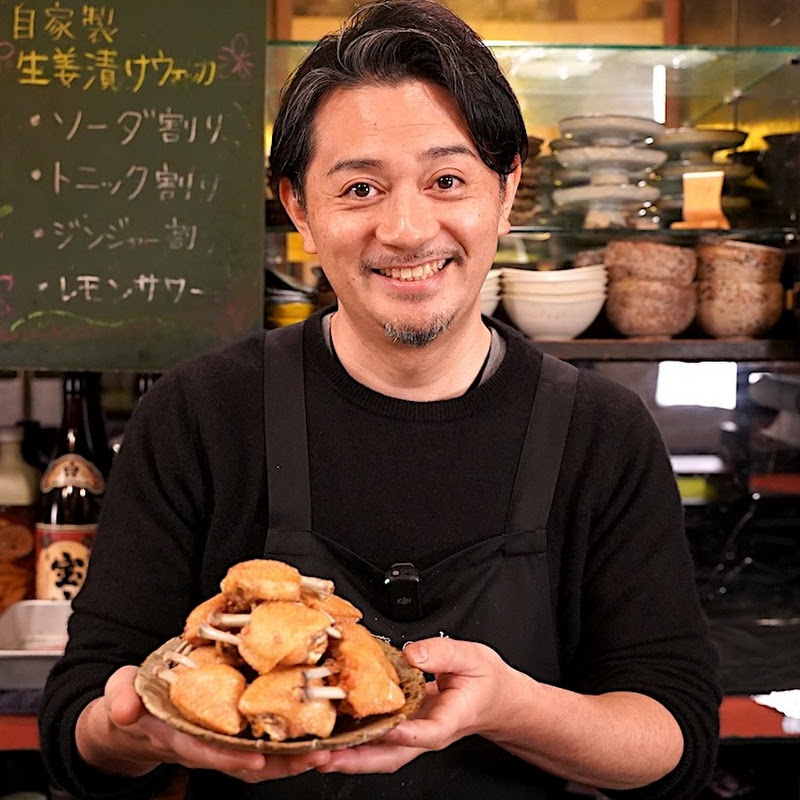
動画 de 食堂とだか 料理人・戸高雄平
6,680人 subscribers ・ 和食・居酒屋料理
* Opens YouTube channel
* Subscriber count is as of article creation and may differ from the current number.
