

Recipe
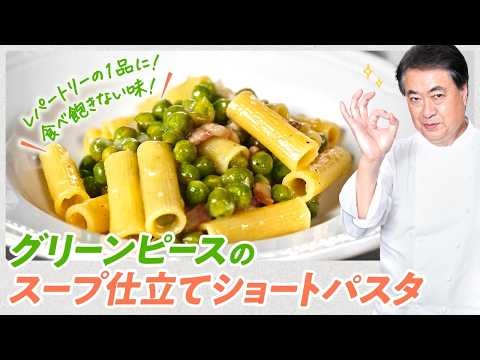
[Chef's Pasta] A Flavor You'll Never Tire Of! Short Pasta in Green Pea Soup
Ingredients
- Shortpasta (such as rigatoni or ditalini) 160g
- Greenpeas 200g
- Springonion (or sweet onion) 1/2
- Pancetta(or bacon) 40g
- Garlic1/2 clove
- Oliveoil 2 tbsp
- Whitewine 2 tbsp
- Vegetablebouillon (or water) 500ml
- Parmigiano-Reggiano3 tbsp
- Blackpepper to taste
- Saltto taste
About "Short Pasta in Green Pea Soup"
Based on the traditional Venetian dish "Risi e Bisi," this recipe uses short pasta instead of rice in a comforting soup-style pasta dish. Building on a base of savory pancetta and sweet spring onion, green peas are simmered to create a rich, flavorful broth. Dry pasta is then cooked directly in this soup, allowing the deep flavor of the peas to penetrate to the core of the pasta. Finished with a generous amount of Parmigiano-Reggiano, it is a rustic yet deeply satisfying dish.
Introduction to 日高良実のACQUAPAZZAチャンネル →
Tips for Making "Short Pasta in Green Pea Soup"
-
Prep
- Finely chop the spring onion. Grate the garlic.
-
Heat control
- Sauté the pancetta slowly over low heat using a tiny amount of olive oil to help render the fat, making it crispy, fragrant, and concentrated in flavor.
-
Sautéing
- Sauté the onion lightly without browning to draw out its sweetness while letting it absorb the flavorful fat rendered from the pancetta.
-
Aromatics
- Grate the garlic into one side of the pan and sauté briefly to release its aroma before mixing it in. While optional, it adds depth of flavor.
-
Deglazing
- After adding the white wine, cook over high heat to completely burn off the alcohol.
-
Simmering
- Add the bouillon (or water), bring to a boil, then simmer on low for about 10 minutes to extract the flavor of the peas. Simmering the pea pods together with the broth makes it even more delicious.
-
Cooking pasta
- Do not boil the pasta separately; cook it directly in the pea broth. Since the pasta absorbs liquid, add about half a ladle of hot water as needed and simmer according to the package instructions.
-
Seasoning
- Finish by seasoning with salt, drizzling with olive oil, and adding a generous amount of Parmigiano-Reggiano, then tossing well.
Ingredients for "Short Pasta in Green Pea Soup"
11 items* Tap ingredient names to find on Amazon
How to Make "Short Pasta in Green Pea Soup"
- 1
Heat a very small amount of olive oil in a pan, add the pancetta, and sauté slowly over low heat to render the fat.
- 2
Once the fat has rendered from the pancetta, add the finely chopped spring onion and sauté lightly without browning to draw out its sweetness.
- 3
Add the green peas and stir gently to coat them in the savory fat of the pancetta and onion.
- 4
Grate the garlic into one side of the pan, sauté lightly until fragrant, and then mix it into the rest of the ingredients.
- 5
Pour in the white wine and cook over high heat to completely burn off the alcohol.
- 6
Pour in 500ml of vegetable bouillon (or water). Once it boils, reduce the heat to low and simmer gently for about 10 minutes to extract the flavor of the green peas into the broth.
- 7
Add the uncooked short pasta directly to the soup. Since the pasta will absorb the liquid, add about half a ladle of hot water as needed while simmering for the package instructions time (approx. 12 minutes).
- 8
Once the pasta is cooked to the perfect texture, season with salt, drizzle with olive oil, add a generous amount of Parmigiano-Reggiano, and toss well to combine.
- 9
Plate the pasta and finish with freshly ground black pepper to taste.
Detailed Commentary on "Short Pasta in Green Pea Soup"
* Content organized by topics from the video.
A Traditional Taste of Seasonal Green Peas
Chef Yoshimi Hidaka and Chef Taisei Tanaka team up once again to bring you this recipe. This time, seasonal green peas take center stage in a comforting, soup-style short pasta. The dish is based on 'Risi e Bisi,' a famous traditional soup from Italy's Veneto region made with green peas and rice. In this version, we substitute short pasta for the rice, allowing the pasta to fully absorb the rich flavors released by the peas. By simmering the green peas thoroughly, their exquisite flavor dissolves into the broth and integrates with the pasta, creating a gentle, deep taste that might even win over those who usually dislike green peas.
Tips for Sautéing Pancetta Over Low Heat
The cooking begins by heating a tiny amount of olive oil in a pan and adding the pancetta (guanciale or bacon also works). Chef Tanaka explains, 'The key is to sauté slowly over low heat, focusing on rendering out the fat from the pancetta.' Using a small amount of oil as a starter helps the pancetta's own fat melt more easily, resulting in a crispy, fragrant finish while concentrating its savory flavor. During this step, Chef Hidaka jokes, 'If only humans could sweat out fat just by basking in the sun—going to a tanning salon to lose weight would be so easy!' This playful banter fills the kitchen with warm laughter.
Infusing Onions and Peas with Savory Fat
Once the fat has rendered from the pancetta, add the finely chopped spring onion (regular onion is also fine). The goal is to sauté the onion lightly without browning to coax out its sweetness. Letting the onion absorb the flavorful fat rendered from the pancetta builds the foundational flavor of the entire dish. Once the onion becomes sweet and translucent, toss in a generous amount of the star ingredient: green peas. Gently stir everything together to coat the surface of the peas with the savory flavors of the pancetta and onion. Next, grate some garlic into one side of the pan, sauté it briefly to release its aroma, and then mix it in. While garlic is optional, adding a little adds wonderful depth.
Making Broth with White Wine and Bouillon
Once everything is well combined, pour in the white wine and cook over high heat to completely burn off the alcohol. Next, add the vegetable bouillon (or water). Bring it to a boil, then reduce the heat to low and simmer gently for about 10 minutes. This step acts like making a soup stock, fully extracting the flavor of the green peas into the liquid. Chef Tanaka asks, 'Can you also make broth from the pea pods?' Chef Hidaka offers a professional tip: 'The pods actually make an excellent broth. When making this at home, simmering the pods together with the soup will yield an even more delicious stock.' After 10 minutes of simmering, the broth is filled with the gentle aroma and rich flavor of the peas.
Letting the Pasta Absorb the Flavorful Soup
After simmering for 10 minutes, Chef Tanaka tastes the broth and exclaims in surprise, 'The aroma and flavor of the green peas are fully dissolved into the soup, and the peas themselves are so soft and delicious!' At this point, add the uncooked short pasta (De Cecco's Ditaloni is used here) directly to the pan. Since the pasta will continuously absorb the liquid, simmer it for the package instructions time (12 minutes in this case) while adding about half a ladle of hot water as needed. Instead of boiling the pasta separately, cooking it directly in the concentrated pea broth allows the delicious flavor of the peas and the seasoning to penetrate right to the core of the pasta.
A Rustic Finish with Plenty of Cheese
Once the pasta is cooked to the perfect texture, it's time for the final seasoning. Adjust the taste with salt, drizzle with olive oil, and add a generous amount of Parmigiano-Reggiano—'as much as you like'—before tossing everything together. Plated and tasted, the contrast between the tender, slow-simmered green peas and the slightly al dente pasta is exquisite. Chef Hidaka remarks, 'It's a very simple pasta, but it's exactly these rustic dishes that you never tire of and suddenly crave again.' If you use rice instead of short pasta, it becomes the traditional 'Risi e Bisi,' which they have also featured in a past video. This heartwarming dish is a wonderful addition to your home cooking repertoire.
About 日高良実のACQUAPAZZAチャンネル

日高良実のACQUAPAZZAチャンネル
18.4万人 subscribers ・ イタリアン
* Opens YouTube channel
* Subscriber count is as of article creation and may differ from the current number.
