

Recipe
【The Ultimate Chicken Breast Recipe! You'll Need Extra Rice】Chicken Breast & Cartilage Toriten (Chicken Tempura) #cooking #chicken #chickenbreast #chickencartilage

Ingredients
- 300gchicken cartilage
- 1chicken breast (approx. 350g)
- 1tsp salt (approx. 6g)
- 1tbsp soy sauce
- 1tbsp sake
- 2eggs
- 1tsp grated ginger (or 5–6 cm from a tube)
- 1clove garlic, grated (or 5–6 cm from a tube)
- 2–3shakes of MSG (Ajinomoto)
- 1tbsp water
- 4tbsp potato starch
- 4tbsp all-purpose flour
About "Chicken Breast and Cartilage Toriten (Chicken Tempura)"
A budget-friendly chicken tempura (toriten) combining tender chicken breast and crunchy chicken cartilage. By mixing the marinade and batter together, we simplify the cooking process while packing in deep flavor. Fried to a crisp using a 1:1 blend of potato starch and flour, and cooked gently with residual heat to keep the breast meat incredibly moist and juicy. Enjoy it as is, or with vinegar soy sauce or ponzu.
Introduction to パパイズム 〜レシピ考える人〜料理人、イタリアン〜 →
Tips for Making "Chicken Breast and Cartilage Toriten (Chicken Tempura)"
-
Prep
- Matching the size of the chicken breast and cartilage ensures even cooking and prevents uneven frying.
-
Prep
- Slice the chicken breast diagonally or cut into thin, bite-sized pieces. You can leave the skin on.
-
Seasoning
- Mixing the batter ingredients directly by hand in a bowl prevents flour lumps and ensures even seasoning.
-
Seasoning
- Keeping the batter slightly thick helps achieve a crispy finish.
-
Marinating
- Press plastic wrap directly onto the surface to remove air, double-wrap to prevent drying, and marinate in the fridge for at least 2 hours.
-
Heat control
- Blend potato starch and flour in a 1:1 ratio. Flour keeps it crunchy, while potato starch creates a crispy finish.
-
Heat control
- Fry in oil at 170–180°C (340–355°F). Do not touch at first to let the batter set, then turn them over.
-
Heat control
- Frying the chicken cartilage and chicken breast separately by type ensures more even cooking.
-
Heat control
- Do not crowd the pot, as the oil temperature will drop rapidly. Maintain a high temperature while frying.
-
Finishing
- Letting the chicken rest for about 5 minutes after frying allows the residual heat to make the breast incredibly moist and juicy.
-
Serving
- The batter is well-seasoned, so it is delicious on its own, but also great with vinegar soy sauce, ponzu, or a squeeze of lemon.
Ingredients for "Chicken Breast and Cartilage Toriten (Chicken Tempura)"
12 items* Tap ingredient names to find on Amazon
How to Make "Chicken Breast and Cartilage Toriten (Chicken Tempura)"
- 1
Slice the chicken breast diagonally (sogi-giri) or cut into thin, bite-sized pieces, matching the size of the chicken cartilage.
- 2
In a bowl, combine the salt, soy sauce, sake, eggs, grated ginger, garlic, MSG, water, potato starch, and flour.
- 3
Put on gloves and mix directly by hand until the flour is fully incorporated and the batter becomes slightly thick.
- 4
Add the cut chicken breast and chicken cartilage, and mix well.
- 5
Press plastic wrap directly onto the surface to remove air, then cover with a second layer of wrap to prevent drying.
- 6
Marinate in the refrigerator for at least 2 to 3 hours (or at least 30 minutes if you are short on time).
- 7
Just before frying, give the contents of the bowl another thorough mix.
- 8
Heat oil to 170–180°C (340–355°F) and add the chicken cartilage and chicken breast separately by type.
- 9
Do not touch them at first to let the batter set. Once the surface hardens, turn them over and fry until crispy all over.
- 10
Once they turn golden brown, remove them from the oil.
- 11
Let them rest for about 5 minutes to cook through with residual heat while draining, then plate.
- 12
Enjoy as is, or serve with ponzu, vinegar soy sauce, or a squeeze of lemon.
Food Science
The umami synergy between the inosinate in the chicken and the glutamate in the soy sauce and MSG enhances the overall flavor. Additionally, the potato starch and flour batter acts as a moisture barrier, while frying at 170–180°C triggers the Maillard reaction, creating a savory, aromatic crust. Finally, resting the chicken allows residual heat to finish cooking gently, keeping the meat tender and juicy.
Detailed Commentary on "Chicken Breast and Cartilage Toriten (Chicken Tempura)"
* Content organized by topics from the video.
A Family Favorite! Budget-Friendly Staple
Hello everyone, I'm Papaism, a former Italian chef. Today, I'm introducing a family favorite and a staple in our household: Chicken Breast and Cartilage Toriten. This recipe makes enough for 4 to 5 people for only about 800 yen, making it an incredibly budget-friendly dish. What's even better about this recipe is that, unlike regular karaage, the marinade and batter are made together. Just mix everything in a bowl and marinate, then all you have to do is fry it—perfect for busy days. I also highly recommend prepping a large batch for the weekend. While I usually make this with just chicken cartilage or just chicken breast, today we are luxuriously mixing both so you can enjoy the contrast in textures.
Cutting Chicken Breast & Why We Choose It
First, let's cut the chicken breast. Today, we'll slice it diagonally into slightly smaller, bite-sized pieces to match the size of the chicken cartilage. When making this recipe, I definitely recommend using chicken breast over chicken thigh. Since the batter itself is well-seasoned, the milder flavor of chicken breast creates a much better overall balance. It also cooks faster. The key when cutting is to make the thickness and size as uniform as possible to prevent uneven cooking. You can leave the skin on. You can also substitute this with chicken tenders (sasami), which have similar properties. If using tenders, remove the tendon first, then slice diagonally. Let's eat plenty of high-protein food and get strong together!
Batter & Marinade in One! The Golden Ratio
Once you've added the cut chicken breast to the same bowl as the chicken cartilage, we'll measure out the seasonings for the batter. We'll use salt (1 tsp, approx. 6g), soy sauce (1 tbsp), sake (1 tbsp), eggs (2), grated ginger (1 tsp), grated garlic (1 clove), MSG (2 to 3 shakes), water (1 tbsp), potato starch (4 tbsp), and all-purpose flour (4 tbsp). The amount of salt relative to the meat is a crucial point that determines the final taste, so please measure carefully the first time you make this. Using fresh garlic and ginger will elevate the aroma, but convenient tubes (about 5cm of each) work fine too. For the flour in the batter, we blend potato starch and all-purpose flour in a 1:1 ratio. Flour keeps the crunch even after some time, while potato starch gives it that instant, crispy texture right out of the fryer, making this combination the absolute best.
How to Mix Without Lumps & Marinate Deeply
Once all the seasonings are in the bowl, mix them thoroughly by hand, massaging them into the meat. If you use a spoon, the flour can clump up, causing uneven flavoring. Wearing gloves and mixing directly with your hands is the best trick here. Wearing gloves also prevents your hands from getting itchy. Also, using a Ziploc or plastic bag surprisingly prevents the ingredients from mixing evenly, so I highly recommend mixing in a bowl even if it means more dishes to wash. Once mixed, wrap it for storage. First, press plastic wrap tightly against the surface of the meat to remove air, which helps the flavors penetrate evenly. Then, apply a second layer of wrap on top to prevent drying, and let it marinate in the refrigerator for at least 2 hours.
Frying Tips for a Crispy Finish
Now, let's fry! Just before frying, give the contents of the bowl another thorough mix. When frying, it's best to fry the chicken cartilage and chicken breast separately by type to ensure even cooking and prevent unevenness. Since adding them to the oil takes a bit of time, start at a lower temperature and gradually raise it to medium. Be careful not to crowd the pot, as adding too much at once will cause the oil temperature to drop rapidly, resulting in a soggy texture. Try to maintain a high temperature (around 170°C / 340°F) while turning them over frequently. If you struggle to get them crispy, it's usually because the temperature is too low or the frying time is too short. Chicken cartilage is easy because it doesn't matter if it's slightly overcooked, but chicken breast will dry out if overcooked, so remove them once the batter turns golden brown.
Residual Heat for Juiciness & Serving Ideas
Once fried, don't eat the toriten right away. Let the residual heat gently cook them through to the center while they drain. Letting them rest for about 5 minutes makes the chicken breast incredibly moist and juicy. While Oita-style toriten is often eaten with vinegar soy sauce, this recipe has plenty of flavor in the batter itself, so it's delicious just as it is. Of course, serving it with vinegar soy sauce or a squeeze of lemon is also fantastic. When you take a bite, the chicken cartilage has a delightful, crunchy texture, while the chicken breast bursts with juices with every chew. It pairs perfectly with rice—you won't be able to stop eating! It's also delicious cold, making it perfect for bento boxes, and it's the ultimate companion for a cold beer. Please give it a try!
About パパイズム 〜レシピ考える人〜料理人、イタリアン〜
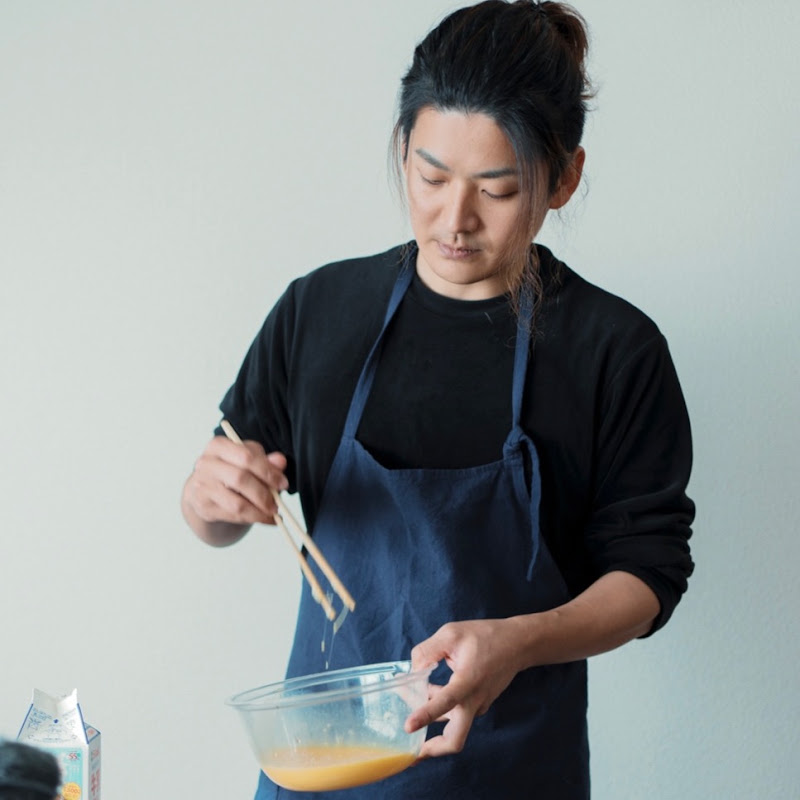
パパイズム 〜レシピ考える人〜料理人、イタリアン〜
4.5万人 subscribers ・ イタリアン/家庭料理
* Opens YouTube channel
* Subscriber count is as of article creation and may differ from the current number.
