

Recipe
Melt-in-Your-Mouth Chicken Liver Parfait: Temperature & Cooking Secrets
Ingredients
- 500gcleaned chicken livers
- 425gunsalted clarified butter (85% of liver weight)
- 3whole eggs (approx. 150g, 30% of liver weight)
- 1egg yolk (approx. 20g)
- 40gshallots (finely minced)
- 80gruby port wine
- 20gbrandy (V.O.)
- 8gsalt
- 1.5gwhite pepper
- 0.8–1gquatre épices
- Milk,as needed (for soaking/removing odor)
- Butter,as needed (for sautéing shallots)
About "Chicken Liver Parfait (Parfait de foie de volaille)"
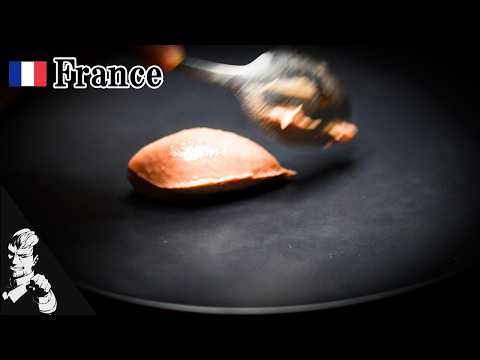
Chicken Liver Parfait (Parfait de foie de volaille) is one of the most challenging dishes in traditional French charcuterie, fundamentally different from a standard liver mousse. It contains absolutely no incorporated air; instead, it is made by emulsifying a massive amount of clarified butter (85% relative to the liver weight), relying solely on the recrystallization of the chilled butter to hold its shape. The moment it enters your mouth, the butter crystals melt instantly at body temperature (approx. 36°C/97°F), creating a sublime, silky texture. The key to success lies in strict two-stage temperature control: mixing at 55–58°C (131–136°F) and baking in a water bath to a core temperature of 65–68°C (149–154°F). Finally, chilling it thoroughly in the refrigerator for 24 to 48 hours allows the butter to recrystallize, completing its "perfect" texture.
Introduction to フレンチシェフ高御仁のガチレシピ →
Tips for Making "Chicken Liver Parfait (Parfait de foie de volaille)"
-
Prep
- Carefully remove white connective tissue from the livers and chop. Trim fat from the hearts, halve them, and remove blood clots with a knife tip.
-
Prep
- Place chopped meats in a bowl and let running water circulate (bubbling) for 30 minutes to drain blood without damaging the livers by over-handling.
-
Prep
- After bubbling, drain and soak in milk in the fridge overnight to remove odor. The next day, rinse under running water and pat thoroughly dry.
-
Reduction
- Sauté minced shallots in butter over low to medium-low heat until soft, then season with salt. Add port and brandy, simmer until almost dry, and chill completely.
-
Temp Control
- Ingredient temperatures are crucial. Bring eggs to room temp, ensure the reduction is completely cold, and use the liver cold straight from the fridge.
-
Mixing
- Blend liver, salt, white pepper, quatre épices, and chilled reduction until smooth. Add room-temp eggs, then slowly pour in clarified butter to emulsify.
-
Mixing
- Do not over-blend. Friction heat can break the emulsion during baking, causing separation. Over-blending also introduces unwanted air bubbles.
-
Prep
- Strain the mixture through a chinois into a mold. Press parchment paper directly onto the surface and cover tightly with a double layer of foil.
-
Heat Control
- Prepare a 50°C (122°F) water bath by mixing equal parts boiling and room-temp water. Pour into the tray and bake at 160°C (320°F) for about 40 minutes.
-
Cooking
- Bake to a core temp of 65–68°C (149–154°F) to ensure safety while keeping a beautiful rosy pink color. It should feel very soft; if firm, it is overcooked.
-
Chilling
- Cool to room temp, then chill in the fridge for 24–48 hours. This allows the butter to recrystallize, setting the parfait to an exquisite, delicate firmness.
-
Finishing
- Unmold, shave off any discolored surface layers, and shape into quenelles using a warm spoon. Plate and finish with a light sprinkle of high-quality salt.
-
Variation
- If serving directly from the mold rather than shaping into quenelles, add 1 more whole egg. This recipe is optimized for the delicate texture of quenelles.
Ingredients for "Chicken Liver Parfait (Parfait de foie de volaille)"
12 items* Tap ingredient names to find on Amazon
- 500gcleaned chicken livers
- 425gunsalted clarified butter (85% of liver weight)
- 3whole eggs (approx. 150g, 30% of liver weight)
- 1egg yolk (approx. 20g)
- 40gshallots (finely minced)
- 80gruby port wine
- 20gbrandy (V.O.)
- 8gsalt
- 1.5gwhite pepper
- 0.8–1gquatre épices
- Milk,as needed (for soaking/removing odor)
- Butter,as needed (for sautéing shallots)
How to Make "Chicken Liver Parfait (Parfait de foie de volaille)"
- 1
[Prep] Separate the chicken livers and hearts. Carefully remove any white connective tissue from the livers and roughly chop them. Trim excess fat from the hearts, cut them in half, and use the tip of a knife to remove any blood clots inside.
- 2
[Bubbling] Place the chopped livers and hearts in a bowl and let cold running water circulate (bubbling) for about 30 minutes to drain the blood. Avoid touching them too much; let the water circulation do the work efficiently.
- 3
[Milk Soaking] Drain the water, submerge the meats in milk, and let them soak in the refrigerator overnight to remove any gamey odor. The next day, drain in a colander, rinse under running water, and pat thoroughly dry with paper towels.
- 4
[Reduction] Finely mince the shallots. Melt butter in a saucepan over low to medium-low heat, sauté the shallots until softened, and season with a pinch of salt. Add the ruby port wine and brandy, then simmer gently until the liquid is almost completely evaporated and the flavor is concentrated into the shallots. Transfer to a dish and chill completely in the refrigerator.
- 5
[Ingredient Temperature Prep] Bring the whole eggs and egg yolk to room temperature. Keep the chicken livers cold, straight from the refrigerator, until ready to use. Ensure the reduction is completely chilled.
- 6
[Mixing 1] In a food processor or hand blender container, combine the prepped chicken livers, salt, white pepper, quatre épices, and chilled reduction. Blend until completely smooth.
- 7
[Mixing 2] Add the room-temperature whole eggs and egg yolk, and blend further. Next, gradually pour in the clarified butter (425g) while blending rapidly to emulsify. Be careful not to over-blend to prevent temperature rise from friction and to avoid incorporating air bubbles.
- 8
[Straining & Molding] Pass the blended mixture through a chinois (fine-mesh strainer) and pour it into a mold. Press a sheet of parchment paper directly onto the surface, then cover tightly with a double layer of aluminum foil.
- 9
[Water Bath Prep] Combine equal parts boiling water and room-temperature water to create a water bath of about 50°C (122°F). Pour this into a deep baking tray containing the mold.
- 10
[Baking] Place in an oven preheated to 160°C (320°F) and bake in the water bath for about 40 minutes. Remove from the oven once the core temperature reaches 65–68°C (149–154°F). It is perfectly fine—and indeed correct—if the texture feels extremely soft and runny when removed. If it is completely firm, it is overcooked.
- 11
[Chilling & Setting] Allow it to cool to room temperature, then place it in the refrigerator to chill and set completely for 24 to 48 hours. This process allows the butter to recrystallize, creating a sublime, melt-in-your-mouth texture.
- 12
[Finishing & Plating] Remove from the mold and thinly shave off any discolored surface layers. Using a warm spoon, shape the parfait into quenelles (oval shapes) and place them on a plate. Finish with a small sprinkle of high-quality salt to taste.
Detailed Commentary on "Chicken Liver Parfait (Parfait de foie de volaille)"
* Content organized by topics from the video.
A Perfect Parfait That Melts at Body Temp
In this recipe, chef VTuber Takamito brings you a traditional French charcuterie classic: Parfait de foie de volaille (Chicken Liver Parfait). While it may look like a standard liver mousse at first glance, it is actually a completely different dish. "Parfait" means "perfect" in French, and true to its name, its defining feature is a sublime smoothness that melts instantly at body temperature. Achieving this incredible texture requires meticulous temperature control and delicate cooking techniques. Today, we will thoroughly explain these professional secrets and scientific approaches so you can recreate this masterpiece at home. Enjoy the video to the very end!
Meticulous Prep: Trimming and Bubbling
The first step to making a delicious liver parfait is removing any gamey odor through thorough prep. First, separate the chicken livers and hearts, carefully remove the white connective tissue from the livers, and roughly chop them. Trim excess fat from the hearts, cut them in half, and use the tip of a knife to remove any clotted blood inside. Once chopped, place them in a bowl and let running water circulate to wash away the blood. This process of using circulating water to drain blood is called "bubbling." By avoiding excessive handling, you can clean the livers efficiently without damaging them. After bubbling for about 30 minutes, drain and submerge them in milk, then leave them in the fridge overnight to completely eliminate any odor.
Crafting the Flavor-Packed Reduction
After soaking the livers in milk overnight, drain them in a colander, rinse thoroughly under running water, and pat dry with paper towels. Next, prepare the "reduction" (concentrated liquid) that adds depth to the parfait. Finely mince the shallots and sauté them in butter over low heat until softened. Season with a pinch of salt, then add the ruby port wine and brandy. The key here is to simmer gently over low to medium-low heat rather than high heat. Once the liquid has evaporated almost entirely, leaving the shallots highly concentrated with flavor and just a touch of moisture, transfer them to a dish and chill thoroughly in the refrigerator.
Strict Temp Control to Prevent Separation
Now we enter the most critical stage of making the parfait: mixing. Managing the temperature of your ingredients is the key to success. The whole eggs and egg yolk must be brought to room temperature, as cold eggs will cause the butter to seize, and the prepared reduction must be completely cold. Conversely, because raw liver spoils easily, it must be used cold, straight from the fridge. Combine the liver, salt, white pepper, quatre épices, and chilled reduction in a food processor or blender, and blend until smooth. Add the eggs, then gradually pour in the clarified butter—a massive amount equal to 85% of the liver's weight—to emulsify. Over-blending will raise the temperature through friction, causing the emulsion to break (separate) during baking, so blending quickly is the ultimate secret.
Baking in a Water Bath: Soft is Success
Pass the blended mixture through a chinois (fine-mesh strainer) into a mold, press parchment paper directly onto the surface, and cover tightly with a double layer of foil. Next, prepare the water bath. By mixing equal parts boiling water and room-temperature water, you get a perfect bath temperature of around 50°C (122°F). Place the mold in a deep tray filled with this water, and bake in an oven preheated to 160°C (320°F) for about 40 minutes. The target is a core temperature of 65°C to 68°C (149°F to 154°F). When you remove it from the oven and open the foil, it will feel incredibly soft and look unset, but this is exactly right. If it is completely firm at this stage, it is overcooked and will turn out dry and crumbly.
Butter Recrystallization for Ultimate Texture
Once baked, let the parfait cool to room temperature, then place it in the refrigerator to chill and set thoroughly for 24 to 48 hours. This cooling process is the magical step that brings the parfait to its "perfect" state. As it chills, the liquefied clarified butter binds together again, returning to a solid crystalline state—a process known as "butter recrystallization." This allows the parfait to set to an exquisite firmness, held together solely by minimal protein coagulation and the structure of the butter. Once fully chilled, unmold and gently shave off any slightly discolored surface layers. Shape into beautiful quenelles (ovals) using a warm spoon, plate, and finish with a light sprinkle of high-quality salt.
The Crucial Difference: Mousse vs. Parfait
Finally, let's look at the scientific difference between a standard liver mousse and this liver parfait. "Mousse" means "foam" in French; it is characterized by whipping heavy cream or egg whites to incorporate air, resulting in a light texture. In contrast, a "parfait" deliberately avoids incorporating any air. Instead, it is made by emulsifying a massive amount of clarified butter—nearly equal to the weight of the liver—to the absolute limit. The moment it enters your mouth, the chilled, solid butter crystals melt instantly at body temperature (approx. 36°C/97°F), turning into a smooth liquid. By fully leveraging this physical property of butter, the parfait achieves a rich depth and a silky, melt-in-your-mouth texture that a mousse simply cannot replicate.
About フレンチシェフ高御仁のガチレシピ

フレンチシェフ高御仁のガチレシピ
6,310人 subscribers ・ フランス料理
* Opens YouTube channel
* Subscriber count is as of article creation and may differ from the current number.
