

Recipe
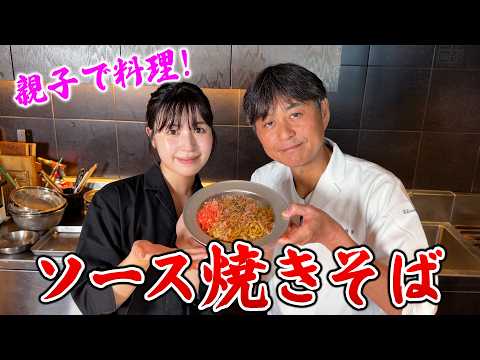
Cooking with Family! Making the Kasahara Family's Classic Yakisoba
Ingredients
- Yakisobanoodles: 2 packs
- Porkbelly slices: 100g
- Cabbage:150g
- Onion:1/2
- Katsuobushi(bonito flakes): a pinch
- Aonori(dried green seaweed): a pinch
- Benishoga (pickled red ginger): a pinch
- Vegetableoil: to taste
- Salt:a pinch
- Pepper:a pinch
- Sake:2 tbsp (for prep)
- Soysauce: 2 tsp (for prep)
- Sake:1 tbsp (for finishing)
- Chunosauce (semi-sweet brown sauce): 3 tbsp
About "Classic Yakisoba"
This classic yakisoba is made by Masahiro Kasahara and his second daughter, Yuri. The secret to the Kasahara style is searing the noodles first to get a nice color, and then coating only the noodles with the sauce to create a delicious contrast with the other ingredients. Using simple ingredients (pork belly, cabbage, and onion), this dish recreates the nostalgic flavor of yakisoba from Showa-era street festivals.
Introduction to 【賛否両論】笠原将弘の料理のほそ道 →
Tips for Making "Classic Yakisoba"
-
Prep
- Loosening the yakisoba noodles beforehand with sake and soy sauce makes them easier to separate and helps them develop a fragrant, beautiful sear when cooked.
-
Heat control
- Searing the noodles first in the pan and browning both sides before removing them dramatically improves their aroma and texture.
-
Prep
- Cutting the cabbage into 1cm strips, thinly slicing the onion, and cutting the pork into 2cm pieces keeps the ingredients uniformly small so they blend perfectly with the noodles.
-
Seasoning
- Seasoning the ingredients and noodles separately, and coating only the noodles with sauce, creates a delicious contrast of flavors that keeps you coming back for more.
-
Heat control
- When stir-frying the vegetables, it is crucial to stop after about 1.5 minutes to preserve their crisp texture.
Ingredients for "Classic Yakisoba"
14 items* Tap ingredient names to find on Amazon
- Yakisobanoodles: 2 packs
- Porkbelly slices: 100g
- Cabbage:150g
- Onion:1/2
- Katsuobushi(bonito flakes): a pinch
- Aonori(dried green seaweed): a pinch
- Benishoga (pickled red ginger): a pinch
- Vegetableoil: to taste
- Salt:a pinch
- Pepper:a pinch
- Sake:2 tbsp (for prep)
- Soysauce: 2 tsp (for prep)
- Sake:1 tbsp (for finishing)
- Chunosauce (semi-sweet brown sauce): 3 tbsp
How to Make "Classic Yakisoba"
- 1
Cut the cabbage into 1cm-wide strips. Thinly slice the tough core parts.
- 2
Thinly slice the onion. Slide the knife as you cut to ensure the slices separate completely.
- 3
Cut the pork belly into 2cm-wide pieces.
- 4
Place the yakisoba noodles in a bowl, add sake (2 tbsp) and soy sauce (2 tsp), and gently loosen them with your hands.
- 5
Heat vegetable oil (1 tbsp) in a frying pan over medium heat, then spread the loosened noodles in the pan.
- 6
Leave the noodles untouched for a while to sear and brown on both sides.
- 7
Once browned, transfer the noodles to a tray and set aside.
- 8
Add a little more vegetable oil to the same pan, season the pork with salt and pepper, and stir-fry.
- 9
Once the pork changes color, add the cabbage and onion.
- 10
Sprinkle with a pinch of salt and stir-fry everything for about 1.5 minutes, keeping the vegetables crisp.
- 11
Push the ingredients to one side of the pan to clear half the space, then return the seared noodles to the empty side.
- 12
Drizzle sake (1 tbsp) and chuno sauce (3 tbsp) directly over the noodles.
- 13
Stir-fry so that the sauce coats only the noodles evenly.
- 14
Finally, quickly toss everything together.
- 15
Plate the dish and top with bonito flakes, aonori, and pickled red ginger.
Food Science
Searing the noodles triggers the Maillard reaction, creating a rich, savory aroma. Additionally, combining glutamate-rich cabbage and onions with inosinate-rich pork and bonito flakes creates a synergistic umami effect, resulting in a deep, complex flavor. Stir-frying the vegetables quickly also prevents excess moisture loss, preserving their crisp texture.
Detailed Commentary on "Classic Yakisoba"
* Content organized by topics from the video.
The Kasahara Fan and Daughter Yuri's Appearance
In the opening, a unique custom fan sent by a fan is introduced. One side features a photo of Kasahara drinking beer with the words "Please," and the other side says "Beer." He happily explains how useful it is to hold up in an izakaya when the staff doesn't notice you. Next, his second daughter, Yuri, appears as a guest holding fans that say "Make it" and "See." This is a playful nod to the catchphrase of his son, Kio, who appeared in a previous video. The family cooking session begins in a warm, relaxed atmosphere. The dish they are tackling today is classic yakisoba, a staple that everyone has made at least once. Kasahara shares a nostalgic story, recalling that yakisoba was the very first dish he ever tried to make as a child by mimicking what he saw.
Keep It Simple! Classic Yakisoba Ingredients
Kasahara's approach to classic yakisoba is to stick to traditional, simple ingredients without trying anything too fancy. The ingredients are straightforward: store-bought yakisoba noodles (2 packs), cabbage (150g), onion (1/2), and pork belly (100g). Kasahara explains that adding too many different ingredients can actually dilute the classic yakisoba identity. By keeping it simple, you can recreate the nostalgic taste of yakisoba from old-school street festivals. The size of the ingredients is also key. If they are cut too large, they won't blend well with the noodles when eating. Therefore, cutting everything into slightly smaller, uniform sizes is the first professional tip.
Knife Skills 101: Prepping the Vegetables
They start by prepping the vegetables. The cabbage is cut into 1cm-wide strips. As Yuri grips the knife, Kasahara gently guides her: "Hold it closer to the base and rest your index finger on the spine; it's much easier to cut that way." Since Yuri usually uses a small paring knife at home, she seems a bit nervous about the sharpness of the large Japanese chef's knife. The tough core of the cabbage is thinly sliced to ensure it cooks through quickly. Next, they move on to slicing the onion, but Yuri's slices remain connected at the bottom. Kasahara offers a helpful tip: "If you just chop straight down, the bottom stays connected. The trick is to slide the knife forward or pull it back as you cut." He explains the cause and demonstrates the proper technique.
The Secret Ingredient: Pro Prep for the Noodles
Next, they cut the pork belly into 2cm-wide pieces. Yuri confesses, "Dad might cry, but I usually just use kitchen shears to cut meat." The staff chimes in, agreeing that many people use shears. Kasahara chuckles but explains that cutting the meat into smaller pieces helps it blend better with the noodles. Then comes a crucial professional technique: they place the yakisoba noodles in a bowl, add sake (2 tbsp) and soy sauce (2 tsp), and gently loosen them by hand. Adding sake as moisture makes the noodles easier to separate. Furthermore, coating the noodles directly with a small amount of soy sauce at this stage helps them develop a beautiful sear when cooked and dramatically boosts their savory aroma.
Searing the Noodles & Chatting About AI
They heat vegetable oil (1 tbsp) in a frying pan over medium heat, add the loosened noodles, and spread them out. The key here is to "leave them untouched for a while to let them sear." Yuri, who usually stir-fries the meat and vegetables first before adding the noodles at the end, is surprised by this noodle-first method. While the noodles are searing, Yuri mentions that she has recently been using "Chappy" (ChatGPT) to get recipes for leftovers in her fridge. Kasahara is puzzled, asking, "What's Chappy? A mascot character?" Upon learning it's an AI, he passionately argues, "If you rely on things like that, humans will lose their ability to think! You have to keep your senses sharp." The staff teases him, saying, "Kasappy (Kasahara) always starts by rejecting things, but Chappy is gentle and supportive," filling the kitchen with laughter.
Stir-Frying the Ingredients and Combining
Once the noodles have a delicious sear on both sides, they are transferred to a tray. Adding a little more vegetable oil to the same pan, they first stir-fry the pork belly, seasoning it well with salt and pepper. Once the meat changes color, the prepped cabbage and onion are added. They sprinkle a little more salt to draw out the sweetness of the vegetables. They stir-fry everything over medium heat for about 1.5 minutes until the vegetables shrink slightly, ensuring they are coated in the savory pork fat. Kasahara advises, "If you overcook them, the vegetables will release too much moisture and become soggy. It's best to stop when they still have a nice crunch."
The Kasahara Secret: Seasoning Only the Noodles
Once the vegetables and meat are cooked, they push them to one side of the pan to clear half the space. The seared noodles are returned to this empty space. This is where Kasahara's ultimate secret technique comes in. Before mixing everything together, they drizzle sake (1 tbsp) and chuno sauce (3 tbsp) only over the noodles, stir-frying them first so the sauce coats just the noodles. Instead of tossing everything in sauce together, "seasoning only the noodles with sauce while keeping the ingredients seasoned with salt and pepper" creates a wonderful contrast of flavors in every bite, making it a dish you'll never tire of. Once the sauce is evenly incorporated into the noodles, they quickly and dynamically toss everything together for the final finish.
Retro Yakisoba is Ready! Cheers with Beer
The finished yakisoba is plated on a retro aluminum dish that oozes a Showa-era vibe. Kasahara loves it, saying, "This plate really gives it that classic Showa yakisoba feel." They top it with plenty of bonito flakes, aonori, and pickled red ginger (Yuri's favorite) to complete the Kasahara-style classic yakisoba. Pouring cold beer into glasses, father and daughter toast to their hard work and dig in. After her first bite, Yuri raves, "Delicious! Because only the noodles are seasoned with sauce, it's not heavy at all—it's just perfect. This is real yakisoba!" Kasahara agrees, concluding with a satisfied smile, "This is the ultimate classic yakisoba. This flavor contrast technique is something Chappy can't teach you; it's wisdom you can only get from Kasappy."
About 【賛否両論】笠原将弘の料理のほそ道
【賛否両論】笠原将弘の料理のほそ道
136万人 subscribers ・ 和食
* Opens YouTube channel
* Subscriber count is as of article creation and may differ from the current number.
