

Recipe
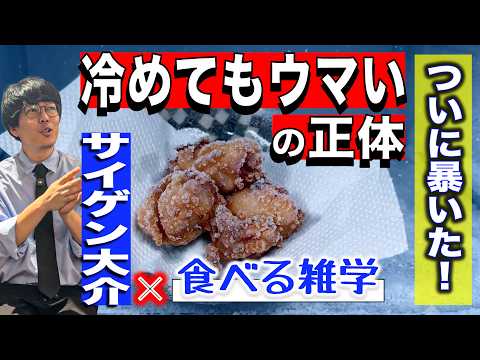
The Truth About Taste: Why Bento Karaage Stays Delicious Cold! Recreated by Saigen Daisuke
Ingredients
- 200gchicken thighs
- 1clove ginger (grated)
- 1clove garlic (grated)
- 2tbsp cooking sake
- 1tsp honey
- 1tsp soy sauce
- 1/2tsp kombu dashi powder
- 2tbsp cake flour
- 1tbsp potato starch
- Vegetableoil to taste (for frying + approx. 1 tsp for seasoning)
About "Karaage That Stays Delicious Even When Cold"
This recipe scientifically analyzes and recreates the phenomenon of food staying delicious even when cold, making it perfect for bento boxes. By understanding the relationship between temperature and taste, we keep the salt content low and use honey to boost moisture retention. The coating uses a golden 2:1 ratio of flour to potato starch, and coating the chicken in oil before frying locks in the juices. Frying slowly at a low temperature of 160°C (320°F) and finishing at a high heat ensures a crispy, juicy texture even after it cools down.
Introduction to 阿諏訪泰義の「あすわ我が味」 →
Tips for Making "Karaage That Stays Delicious Even When Cold"
-
Prep
- Prick the meat side of the chicken thighs thoroughly with a fork to help the marinade and tenderizing agents penetrate.
-
Prep
- Marinate in cooking sake and honey for 5 minutes to remove odors and keep the meat juicy using the moisture-retaining power of sugars.
-
Seasoning
- Limit soy sauce to 1 tsp to keep salt low. High salt draws out moisture as the meat cools, making it tough and overly salty.
-
Seasoning
- Add kombu dashi powder to boost umami, ensuring the savory flavors stand out even more once the chicken cools.
-
Coating
- Blend at a golden ratio of 2 parts cake flour to 1 part potato starch. Flour provides coating power and moisture retention, while potato starch adds crispiness.
-
Prep
- Add about 1 tsp of vegetable oil to coat the meat before dredging, creating a barrier that prevents juices from escaping.
-
Heat control
- Start by frying slowly at a low temperature of 160°C (320°F). The seasoned batter burns easily, and slow frying locks in internal moisture.
-
Heat control
- Roll the chicken frequently with chopsticks while frying to heat it evenly from the outside in, locking in maximum moisture.
-
Heat control
- Turn up the heat at the end to raise the temperature, evaporating surface moisture to make the coating extra crispy.
Ingredients for "Karaage That Stays Delicious Even When Cold"
10 items* Tap ingredient names to find on Amazon
How to Make "Karaage That Stays Delicious Even When Cold"
- 1
Cut the chicken thighs into bite-sized pieces and prick the meat side thoroughly with a fork.
- 2
In a bowl, combine the chicken, cooking sake, and honey. Mix well and let marinate for about 5 minutes.
- 3
While marinating, prepare the coating by thoroughly mixing 2 tbsp cake flour and 1 tbsp potato starch.
- 4
After 5 minutes, add the grated garlic, grated ginger, kombu dashi powder, and about 1 tsp of vegetable oil to the marinated chicken, and massage it in well.
- 5
Finally, add 1 tsp of soy sauce and massage it in further.
- 6
Dredge the chicken in the flour mixture from step 3, coating each piece thoroughly.
- 7
Place in oil heated to 160°C (320°F) and fry slowly, turning frequently with chopsticks, until golden brown.
- 8
Turn up the heat at the very end to raise the temperature and make the coating crispy, then remove and drain.
Detailed Commentary on "Karaage That Stays Delicious Even When Cold"
* Content organized by topics from the video.
The Secret to Staying Delicious Cold
Welcome to the second episode of 'Food Trivia Radio' with Saigen Daisuke. Today's theme is the secret behind the phenomenon of food staying delicious even when cold, which we often experience with bento boxes. Dishes like Salisbury steak, gyoza, and train station bento boxes somehow taste amazing even when cold. Unlocking this secret will elevate your daily bento-making and cooking for your loved ones. Today, we will focus on everyone's favorite, Japanese fried chicken (karaage), scientifically analyzing why it stays delicious cold and making it ourselves to uncover the truth.
The Science of Temperature and Taste
There is a deep connection between the deliciousness of food and its temperature. While we tend to think piping hot food is best, some dishes, like certain French soups, actually reveal their best flavors when lukewarm. If food is too hot, the aroma dissipates; if it is too cold, the aroma doesn't release. The middle ground—lukewarm (slightly warmer than room temperature)—is when the human tongue is most sensitive to flavor. For example, ice cream tastes less sweet when frozen solid but extremely sweet once melted. Similarly, as dipping ramen (tsukemen) broth cools down while eating, the saltiness becomes more pronounced. Understanding how our perception of taste changes with temperature is the first step to making food that tastes great cold.
Prepping Chicken to Maximize Moisture
The key to making karaage that tastes great cold comes down to two main points: slightly lowering the salt concentration and boosting the meat's moisture retention. When meat cools down, it loses moisture and hardens, so locking in that moisture is crucial. First, prick the meat side of the chicken thighs thoroughly with a fork. This not only helps the flavors penetrate but also allows the tenderizing agents to sink in. Next, add cooking sake and honey. Sake removes any gamey odor, while honey tenderizes the meat and dramatically boosts moisture retention thanks to its natural sugars. Marinating the meat in this sweet, sake-infused liquid for about 5 minutes builds the foundation for a juicy texture that lasts even after cooling.
The Golden Ratio for Crispy Coating
The coating is a crucial element that determines the quality of karaage. For this recipe, we use both cake flour and potato starch. Using only flour results in a heavy, doughy finish, while using only potato starch makes it crispy when hot but soggy and oily once cooled—which is why tatsuta-age can get mushy when cold. To prevent this, we blend them at a golden ratio of 2 parts flour to 1 part potato starch, leaning heavier on the flour for its superior coating power. This flour-heavy base locks in the chicken's moisture, while the potato starch adds a light crispiness, ensuring the texture holds up even when cold.
Locking in Umami with an Oil Coating
After marinating, discard any excess liquid and season the meat. Add one grated clove each of garlic and ginger, along with about 1/2 tsp of kombu dashi powder for a savory Japanese umami boost. Keep the soy sauce to just 1 tsp to limit the salt content. Too much salt draws moisture out of the meat as it cools, making it tough and overly salty to the taste. The ultimate secret here is adding about 1 tsp of vegetable oil at the very end. Coating the surface of the meat with oil before dredging creates a barrier beneath the batter, providing a powerful moisture-locking effect that prevents the juices from escaping.
Frying Secrets: Low Heat to High Heat
Now, we move on to frying. Since the seasoned batter burns easily, start by frying slowly at a lower temperature of around 160°C (320°F) over low heat. While frying, it is crucial to roll the chicken pieces frequently with chopsticks. Rather than frying one side at a time, rolling them heats the chicken evenly from the outside in, cooking the center last. This technique locks in far more moisture, sharing the same principle used to grill delicious yakitori. Just before they are done, turn up the heat to raise the temperature, evaporating any surface moisture to make the coating extra crispy.
Taste Test: Even Better When Chilled
Fresh out of the fryer, the karaage is incredibly tender, juicy, and undeniably delicious. But the real test begins now. We intentionally place the finished karaage in the refrigerator to chill thoroughly for an hour. Tasting the cold karaage, the results are astonishing: the coating remains remarkably crispy. The moisture is locked perfectly inside the meat, leaving it incredibly juicy with absolutely no dryness. Furthermore, because it has cooled, the savory umami of the soy sauce and kombu dashi shines through even more clearly. It transforms into a perfectly balanced flavor profile, as if it were meticulously engineered to be eaten cold.
About 阿諏訪泰義の「あすわ我が味」

阿諏訪泰義の「あすわ我が味」
1.8万人 subscribers ・ 家庭料理/再現レシピ
* Opens YouTube channel
* Subscriber count is as of article creation and may differ from the current number.
