

Recipe
[Risking Backlash] Hack After Hack! You'll Never Go to a Noodle Shop Again: 'Niku Udon'! A Lazy Recipe That Completely Transforms the Meat and Noodles.

Ingredients
- KatokichiSanuki Udon (frozen): 1 pack
- Slicedbeef: to taste
- Potatostarch: as needed
- Sugar:1 tsp (approx. 5g)
- Water:500g (for boiling)
- Salt:7g (for boiling)
- Bakingsoda: 1g (for boiling)
- Shiro-dashi:1 tsp (for bukkake)
- Mentsuyu(double-concentrated): 1 tsp (for bukkake)
- Soysauce: 1 tsp (for bukkake)
- Honey:1/2 tsp (for bukkake)
- Gratedginger: a pinch
- Choppedgreen onions: to taste
- Eggyolk: 1
- Shiro-dashi:1 tbsp (for broth)
- Mentsuyu(double-concentrated): 1 tbsp (for broth)
- Soysauce: 1 tbsp (for broth)
- Water:5 tbsp (for broth)
- Honey:1 tsp (for broth)
About "Niku Udon (Beef Udon)"
An easy home recipe for Niku Udon using frozen udon noodles and sliced beef. Learn professional techniques like the Morita boiling method (using salt and baking soda) to enhance noodle chewiness, and velveting to make the beef incredibly tender. This high-value recipe covers both bukkake (sauce-poured) and hot broth styles for around 260 yen.
Introduction to 予約7年待ち「肉の鬼才」森田隼人の料理研究所 →
Tips for Making "Niku Udon (Beef Udon)"
-
Prep
- Cutting the sliced beef in half and lightly dusting one side with potato starch (velveting) locks in moisture, keeping the meat incredibly tender.
-
Heat Control
- Boil the meat for just 20 seconds in the noodle water with added sugar. Cooking it too long will make it tough, so a brief boil is essential.
-
Boiling Water
- The Morita boiling water method uses 500g water, 7g salt, and 1g baking soda to make the water alkaline. Salt promotes gluten formation for chewiness, while baking soda enhances firmness.
-
Chilling
- Shocking the boiled noodles in ice water dramatically boosts chewiness through starch recrystallization (retrogradation).
-
Seasoning
- Adding honey to the bukkake sauce creates a rich sweetness and adds a complex depth of flavor.
Ingredients for "Niku Udon (Beef Udon)"
19 items* Tap ingredient names to find on Amazon
- KatokichiSanuki Udon (frozen): 1 pack
- Slicedbeef: to taste
- Potatostarch: as needed
- Sugar:1 tsp (approx. 5g)
- Water:500g (for boiling)
- Salt:7g (for boiling)
- Bakingsoda: 1g (for boiling)
- Shiro-dashi:1 tsp (for bukkake)
- Mentsuyu(double-concentrated): 1 tsp (for bukkake)
- Soysauce: 1 tsp (for bukkake)
- Honey:1/2 tsp (for bukkake)
- Gratedginger: a pinch
- Choppedgreen onions: to taste
- Eggyolk: 1
- Shiro-dashi:1 tbsp (for broth)
- Mentsuyu(double-concentrated): 1 tbsp (for broth)
- Soysauce: 1 tbsp (for broth)
- Water:5 tbsp (for broth)
- Honey:1 tsp (for broth)
How to Make "Niku Udon (Beef Udon)"
- 1
[Bukkake Udon (Sauce-Poured Style)]
- 2
Preparing the Morita Boiling Water
In a pot, combine 500g of water, 7g of salt, and 1g of baking soda, and bring to a boil. Meanwhile, prepare a bowl of ice to cool the noodles.
- 3
Boiling the Frozen Udon
Add the Katokichi frozen udon to the boiling water and cook for 1 minute.
- 4
Chilling the Noodles
Drain the boiled udon in a strainer, then transfer to the ice and mix. Add a small amount of water to cool further, then drain again.
- 5
Prepping the Meat
Cut the sliced beef in half and lightly dust the surface with potato starch.
- 6
Boiling the Meat
Add 1 tsp of sugar to the noodle-boiling water, add the prepared beef, and boil for just 20 seconds.
- 7
Plating and Sauce
Place the chilled noodles and boiled beef in a bowl, then top with the egg yolk and chopped green onions. Pour over the sauce made by mixing 1 tsp shiro-dashi, 1 tsp mentsuyu, 1 tsp soy sauce, 1/2 tsp honey, and a pinch of grated ginger to complete.
- 8
[Hot Broth Udon Style]
- 9
Simultaneous Prep of Broth and Morita Water
In Pot 1, combine 500g of water, 7g of salt, and 1g of baking soda, and bring to a boil. Meanwhile, in another pot, mix 1 tbsp shiro-dashi, 1 tbsp mentsuyu, 1 tbsp soy sauce, 5 tbsp water, and 1 tsp honey, and bring to a boil for the broth. Prepare ice for cooling the noodles.
- 10
Boiling the Frozen Udon
Add the Katokichi frozen udon to the boiling water and cook for 1 minute.
- 11
Chilling the Noodles
Drain the boiled udon in a strainer, transfer to the ice, and mix. Add a small amount of water to cool further, then drain.
- 12
Prepping and Boiling the Meat
Cut the sliced beef in half and lightly dust with potato starch. Add 1 tsp of sugar to the noodle-boiling water, add the beef, and boil for just 20 seconds.
- 13
Plating and Adding Broth
Place the chilled noodles and boiled beef in a bowl, pour the boiling broth over them, and top with chopped green onions and an onsen tamago (soft-boiled egg) to complete.
Food Science
Adding baking soda to the boiling water makes it alkaline, which promotes the gelatinization of the udon starch, creating a uniquely firm and chewy texture. Dusting the beef with potato starch locks in moisture, preventing it from drying out during cooking and keeping it juicy. Furthermore, combining the glutamic acid in the shiro-dashi and soy sauce with the inosic acid in the beef and bonito flakes creates a synergistic umami effect, dramatically elevating the flavor of both the broth and the ingredients.
Detailed Commentary on "Niku Udon (Beef Udon)"
* Content organized by topics from the video.
Taking on Niku Udon by Request!
Our recently released yakisoba video was incredibly well-received, and we got tons of messages. Among them was a request to make Niku Udon next, so I decided to create the ultimate, easy-to-make home version. One of our camera crew recently fell in love with handmade kalguksu (Korean noodle soup) in Korea, but they still felt Japanese Niku Udon reigns supreme. When I posted a video of myself making handmade udon for the first time in 10 years, it got a huge response. This time, I'm sharing a scientific, low-effort yet professional approach that anyone can easily replicate at home for guaranteed deliciousness.
3 Reasons Why Udon is Unique to Japan
The defining characteristics of Japanese udon lie in its thick size and the simplicity of its ingredients: flour, salt, and water. There are three key reasons why this unique udon culture developed specifically in Japan. First is soft water. Japan's soft water is ideal for drawing out the gluten (elasticity) in wheat flour to create a chewy texture. Second is salt. As an island nation, Japan has abundant salt. There is even an old saying, '*Do-san-kan-roku-jo-go-hai*' (referring to adjusting salt-to-water ratios depending on the season), highlighting how much salt is used in udon making. Third is the relationship with rice. Double-cropping—growing rice in summer and wheat in winter—was common, and Japan's mountainous terrain allowed the use of watermills along rapid streams to grind wheat. These factors combined to foster a unique udon culture.
Better Than Handmade? Science of Frozen Udon
If you're making udon at home, frozen udon is the absolute best choice over handmade. It offers three scientifically proven benefits. First is 'starch retrogradation.' Flash-freezing boiled noodles recrystallizes the starch, dramatically boosting chewiness and texture. Second, industrial flash-freezing (at -30°C to -70°C) preserves the structure of freshly boiled noodles. While raw noodles boiled at home can lose their gluten network during transport, frozen noodles lock in that freshly boiled quality. Third, the freezing and thawing process ensures a uniform moisture distribution throughout the noodle, achieving a perfect texture that is incredibly hard to replicate by hand.
The Secret of the Chewy 'Morita Boiling Water'
To make frozen udon even more delicious, we use the unique 'Morita boiling water' method. For 500g of water, add 7g of salt and 1g of baking soda (a pinch). Although the salt used when making the dough typically leaches out during boiling, adding salt to the boiling water firms up the noodles and promotes gluten formation for a chewy texture. Additionally, a touch of baking soda makes the water alkaline, which further strengthens the chewiness. Be careful not to add too much baking soda, or the noodles will turn yellow and taste like ramen noodles (due to kansui-like alkalinity). I highly recommend Katokichi (TableMark) Sanuki Udon, as its shape is meticulously engineered. Boil it for 1 minute, then immediately shock it in ice water.
Perfect Bukkake Beef Udon & Meat Prep
For the meat, we use affordable sliced beef. Cut it in half right out of the pack and lightly dust one side with potato starch—a technique known as 'velveting.' This locks in the moisture, giving the beef an incredibly tender texture. To cook, add 1 tsp of sugar (approx. 5g) to the noodle-boiling water, drop in the beef, and boil for just 20 seconds. Avoiding overcooking is the ultimate secret to keeping the meat tender. To plate, place the beef, green onions, and an egg yolk over the noodles, then pour over our special bukkake sauce (1 tsp shiro-dashi, 1 tsp mentsuyu, 1 tsp soy sauce, 1/2 tsp honey, and a pinch of grated ginger). The contrast between the chewy noodles and tender beef is outstanding. Drizzling a little sesame oil halfway through is an amazing flavor twist!
Hot Broth Udon & Amazing Cost Performance
Next, we make the hot broth udon. For the soup, combine 1 tbsp shiro-dashi, 1 tbsp mentsuyu, 1 tbsp soy sauce, 5 tbsp water, and 1 tsp honey, and bring to a boil. Boil the noodles for 1 minute in the 'Morita boiling water' and shock them in ice water just like before. By pouring the piping hot broth over the shocked noodles, you get a hot bowl of udon while perfectly preserving the noodles' chewiness. This is a professional technique used by famous shops like Marugame Seimen and Oniyanma. This beef udon costs only about 260 yen per bowl (90 yen for the noodles, 150 yen for the beef, and 20 yen for the egg). Appreciating Japan's rich water resources and wonderful wheat culture, please try this incredibly delicious bowl at home!
About 予約7年待ち「肉の鬼才」森田隼人の料理研究所
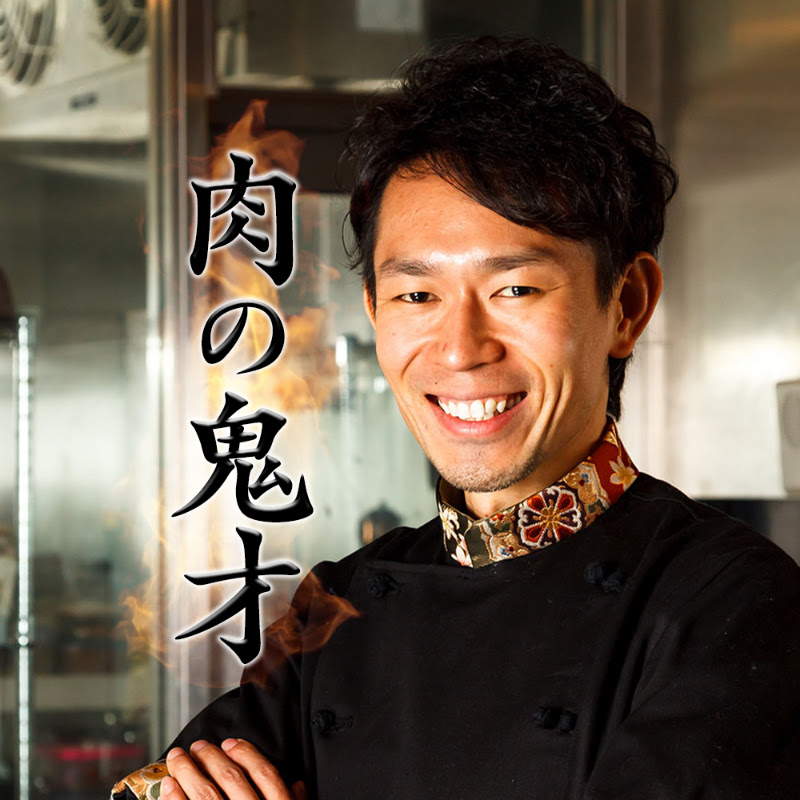
予約7年待ち「肉の鬼才」森田隼人の料理研究所
17.1万人 subscribers ・ 和牛・肉料理
* Opens YouTube channel
* Subscriber count is as of article creation and may differ from the current number.
