

Recipe
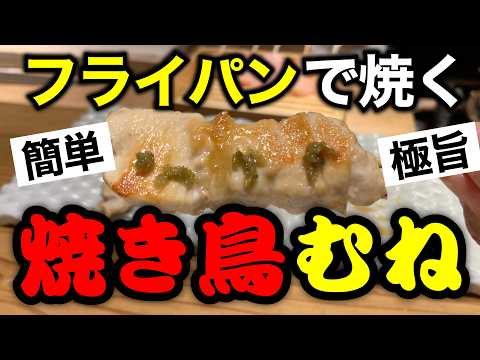
[Easy & Delicious] Pro-Level Skillet Yakitori (Chicken Breast)
Ingredients
- 1chicken breast
- Chickenskin (removed from the breast)
- Saltto taste (for seasoning and finishing)
- 1tbsp vegetable oil
- Yakitorisauce to taste (for sauce-glazed skewers)
- Yuzukosho to taste (optional)
- Blackpepper to taste (optional)
About "Skillet Yakitori (Chicken Breast Skewers - Salt & Sauce)"
A professional yakitori chef explains how to make chicken breast skewers at home using a skillet. Key steps include thoroughly patting the meat dry and separating the rare "sode" (shoulder/wingette) cut. Sandwiches of chicken skin between the breast meat prevent dryness, keeping it incredibly juicy. The video covers both salt-grilled and sauce-glazed styles, along with recommendations for condiments like yuzu kosho and black pepper.
Introduction to 【野乃鳥】野網厚詞の鳥、まるごと。 →
Tips for Making "Skillet Yakitori (Chicken Breast Skewers - Salt & Sauce)"
-
Prep
- Pat the chicken breast dry with paper towels. This makes it easier to cut and helps it cook more evenly.
-
Prep
- Separate the "sode" (shoulder/wingette) section connected to the drumette and use it for a separate skewer.
-
Slicing
- Cut the skinless breast meat into 3 cm wide pieces. Slice thicker sections to an even thickness first, then cut into 1 cm wide pieces.
-
Slicing
- Cut the removed skin into 3 cm wide pieces (about 3 equal parts), cutting them in half again if they are too long.
-
Skewering
- Aim for 30–39g per skewer. Thread from the bottom up, ensuring the grain runs horizontally. Insert skin in the middle and finish with a larger piece of meat.
-
Skewering
- Gently compress the meat together on the skewer to ensure a plump, tender texture when cooked.
-
Skewering
- Wrap the "sode" piece in its skin before skewering for a beautiful presentation.
-
Preventing Dryness
- Sandwiching skin between the breast meat allows the fat to baste the meat, keeping it incredibly juicy.
-
Heat Control
- Heat 1 tbsp of oil in a skillet, cover with foil, and steam-cook over low heat for 3 minutes per side.
-
Heat Control
- After cooking both sides, slightly increase the heat to quickly sear the skewers, then finish with salt (for the salt version).
-
Sauce Glazing
- After cooking both sides over low heat for 3 minutes each, turn the heat to high and add the sauce. Push skewers to one side and glaze for 20 seconds per side until glossy.
-
Sauce Glazing
- The glazing process is similar to reducing the braising liquid over high heat when making simmered fish.
Ingredients for "Skillet Yakitori (Chicken Breast Skewers - Salt & Sauce)"
7 items* Tap ingredient names to find on Amazon
How to Make "Skillet Yakitori (Chicken Breast Skewers - Salt & Sauce)"
- 1
Pat the entire chicken breast dry with paper towels to remove excess moisture.
- 2
Cut off the rare "sode" (shoulder/wingette) section connected to the drumette and set it aside.
- 3
Carefully remove all the skin from the chicken breast.
- 4
Cut the breast meat into 3 cm (approx. 1.2 in) wide pieces. For the thicker part (breast crown), slice it to an even thickness first, then cut into 1 cm (approx. 0.4 in) wide pieces.
- 5
Cut the removed skin into 3 cm (approx. 1.2 in) wide pieces (about 3 equal parts), and cut them in half again if they are too long.
- 6
Thread the meat onto skewers, aiming for 30–39g per skewer. Ensure the meat fibers run horizontally, skewering from the bottom up. Insert a piece of skin in the middle, and finish with a larger piece of meat at the top to shape it nicely.
- 7
Gently squeeze and compress the skewered meat with your hands to compact and shape it.
- 8
Wrap the "sode" piece in its skin before skewering it.
- 9
[Salt-Grilled] Season both sides of the skewers with salt. Heat 1 tbsp of oil in a skillet over low heat, then arrange the skewers in the pan.
- 10
Cover with aluminum foil and cook over low heat for 3 minutes. Flip the skewers, cover with foil again, and cook for another 3 minutes.
- 11
To finish, slightly increase the heat to quickly sear both sides, then sprinkle with a final pinch of salt. Serve with yuzu kosho or your favorite condiments.
- 12
[Sauce-Glazed] Wash the skillet, heat 1 tbsp of oil over low heat, and arrange the skewers.
- 13
Cover with aluminum foil and cook over low heat for 3 minutes on each side.
- 14
Turn the heat to high and pour the yakitori sauce into the skillet. Push the skewers to one side to make it easier to coat them, and glaze for about 20 seconds per side until glossy.
- 15
Plate the skewers and finish with black pepper to taste, if desired.
Detailed Commentary on "Skillet Yakitori (Chicken Breast Skewers - Salt & Sauce)"
* Content organized by topics from the video.
Prep & Separating the Rare 'Sode' Cut
Before prepping the chicken breast, start by thoroughly patting it dry with paper towels. Removing excess moisture makes the meat dramatically easier to cut and helps it cook more evenly. Next, separate the section connected to the drumette. In the yakitori industry, this rare cut is known as 'sode' or 'furisode' (shoulder/wingette). It is incredibly flavorful, so be sure not to waste it. Afterward, carefully remove the skin from the entire breast and prepare to cut the meat. While patting the meat dry may seem like a minor step, it is an essential prep process for achieving a professional finish.
Breast Cut Characteristics & Slicing Tips
Chicken breast has distinct grain directions. The thick upper portion, often called the 'hatomune' (breast crown), is thick and has a pronounced sweetness. Meanwhile, the thinner lower portion is less juicy but offers a firm, satisfying texture. When cutting, trim off any small uneven edges first, then slice the meat into 3 cm wide pieces. For the thicker sections, slice them horizontally to even out the thickness before cutting them into 1 cm wide pieces. The speaker notes that chicken breast is easier to cut and cooks faster than chicken thigh, making the process feel similar to handling a delicate white fish.
Pro Tip: Skewering with Skin to Prevent Dryness
The chicken skin removed earlier is a key ingredient for making these skewers delicious. Stretch the skin slightly and cut it into 3 cm wide pieces (about three equal parts) to match the size of the meat, cutting them in half again if they are too long. The professional secret is to sandwich these skin pieces between the breast meat on the skewers. Chicken breast tends to dry out easily if overcooked, but placing fatty skin in between allows the rendered fat to baste the meat during cooking, keeping it incredibly juicy. This is a fantastic technique for anyone who struggles with dry chicken breast at home.
Skewering Techniques for a Plump Texture
For skewering, aim for a balanced weight of about 30 to 39 grams per skewer. Thread the pieces from the bottom up, ensuring the grain of the meat runs horizontally. Insert a piece of the cut skin in the middle, and finish with a slightly larger piece of meat at the top to anchor it. A crucial tip here is to gently compress the meat together once it's on the skewer. This small adjustment allows the meat to plump up beautifully during cooking, resulting in a wonderfully tender texture. For the rare 'sode' cut, wrap it in its skin before skewering to give it an elegant appearance.
Salt-Grilling with a Skillet and Foil
Now, move on to the cooking process. Since chicken breast yields less fat than chicken thigh, start by heating about 1 tbsp of oil in the skillet. Season both sides of the skewers generously with salt, then arrange them in the pan. Cook over low heat, covering the pan with aluminum foil to steam-cook the meat. Because breast meat cooks faster than thigh meat, 3 minutes per side is plenty. After 3 minutes, flip the skewers, cover with foil again, and cook for another 3 minutes over low heat. Once both sides are thoroughly cooked, slightly increase the heat to quickly sear the surfaces, and finish with a final sprinkle of salt.
Tasting the Healthy, Tender Salt Skewers
It's time to taste the freshly cooked salt-grilled skewers. One bite reveals a surprisingly hearty and tender texture that makes it hard to believe this is chicken breast. The quality is outstanding. While toppings like plum paste (ume) or wasabi are great options, today we are serving them with yuzu kosho. The refreshing aroma of yuzu kosho perfectly complements the clean flavor of the breast meat, making for a very healthy treat. It's the perfect guilt-free snack to enjoy with a drink, bringing the authentic atmosphere of a yakitori shop right into your home.
Glazing the Sauce-Coated Skewers
Next, prepare the sauce-glazed skewers. Lightly wash the skillet, arrange the skewers, cover with foil, and cook over low heat for 3 minutes on each side, just like the salt version. Once cooked, turn the heat to high and pour the homemade yakitori sauce into the pan. To coat the meat evenly, push the skewers to one side of the pan so the sauce pools. Glaze the skewers for about 20 seconds per side until the sauce thickens and becomes glossy. The speaker compares this step to reducing the braising liquid over high heat when making simmered fish.
Sauce Skewers Tasting & Sourcing Quality
The finished sauce-glazed skewers look incredibly appetizing with their savory aroma and glossy coating. Upon tasting, the springy texture and rich fat of the sandwiched skin melt into the breast meat, making it completely juicy and just as delicious as chicken thigh. Adding black pepper for a more mature flavor profile pairs wonderfully with beer. The speaker concludes by passionately explaining that domestic chicken is fresh, safe, and high-quality. Rather than choosing imported meat solely based on price, they encourage viewers to cook affordable domestic chicken breast with love and proper technique.
About 【野乃鳥】野網厚詞の鳥、まるごと。
【野乃鳥】野網厚詞の鳥、まるごと。
7,210人 subscribers ・ 焼き鳥
* Opens YouTube channel
* Subscriber count is as of article creation and may differ from the current number.
