

Recipe
Professional Yakitori Prep Techniques Revealed! 27 Years of Master Craftsmanship
Ingredients
- BanshuHyakunichi Chicken (equivalent to 1 whole chicken)
- Chickentenderloin (sasami)
- Chickenbreast
- Chickentorotoro (fatty shoulder meat)
- Scallions(white part)
- Chickengizzards
- Chickenhearts
- Chickenneck meat (seseri)
- Chickenskirt steak (harami)
- Chickentail (bonjiri)
- Chickenkidneys (segimo)
- Chickensweetbreads (otafuku / thymus)
- Binchotancharcoal
- Skewers
About "Yakitori Prep and Skewering Techniques"
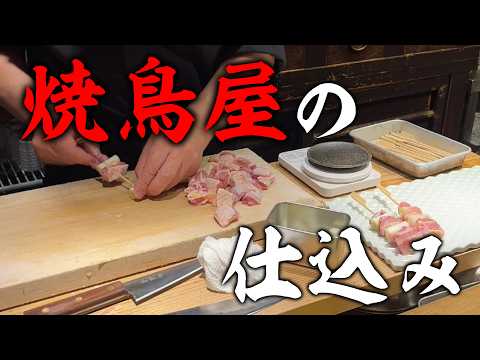
Chef Noami, who runs yakitori restaurants in Osaka and Tokyo, fully reveals his yakitori prep process using premium Banshu Hyakunichi Chicken. From preparing binchotan charcoal to removing tendons from chicken tenderloin (sasami), skewering negimi (chicken and scallion), trimming silver skin from gizzards, cleaning blood from hearts, and butchering a whole chicken carcass, this video showcases meticulous prep techniques built on 27 years of experience.
Introduction to 【野乃鳥】野網厚詞の鳥、まるごと。 →
Tips for Making "Yakitori Prep and Skewering Techniques"
-
Heat control
- Carefully arrange and break the binchotan charcoal to fill any gaps, ensuring even heat distribution across the grill.
-
Prep
- Carefully remove the tough tendon on the back of the chicken tenderloin using a knife.
-
Prep
- Use a scale to precisely weigh each skewer to ensure consistent quality.
-
Prep
- Cleanly shave off the tough silver skin of the gizzards by sliding the knife thinly underneath.
-
Prep
- Slice the hearts vertically and remove any blood clots with the tip of the knife to prevent gaminess.
-
Technique
- Skewer the neck meat in an accordion fold to lock in the juices, ensuring a plump and juicy finish when grilled.
-
Ingredients
- Use premium Banshu Hyakunichi Chicken, carefully harvesting rare cuts (neck, diaphragm, tail, kidneys, sweetbreads, etc.) from a whole bird.
Ingredients for "Yakitori Prep and Skewering Techniques"
14 items* Tap ingredient names to find on Amazon
- BanshuHyakunichi Chicken (equivalent to 1 whole chicken)
- Chickentenderloin (sasami)
- Chickenbreast
- Chickentorotoro (fatty shoulder meat)
- Scallions(white part)
- Chickengizzards
- Chickenhearts
- Chickenneck meat (seseri)
- Chickenskirt steak (harami)
- Chickentail (bonjiri)
- Chickenkidneys (segimo)
- Chickensweetbreads (otafuku / thymus)
- Binchotancharcoal
- Skewers
How to Make "Yakitori Prep and Skewering Techniques"
- 1
Carefully arrange the binchotan charcoal on the grill, tapping them together to break them into smaller pieces to fill any gaps and ensure even heat distribution.
- 2
Set up the grill by placing aluminum foil and the wire grate on top.
- 3
Carefully remove the tough tendon on the back of the chicken tenderloin using a knife.
- 4
Cut the trimmed tenderloin into uniform, bite-sized pieces.
- 5
Skewer the meat while using a scale to precisely weigh each skewer for consistency.
- 6
Carefully remove the skin, excess fat, and tendons from the breast and shoulder meat, then slice them beautifully along the grain.
- 7
Chop the scallions into equal lengths at a steady, rhythmic pace.
- 8
Alternately thread the cut meat and scallions onto the skewers, shaping them neatly.
- 9
Gently slide the knife to cleanly shave off the tough silver skin covering the surface of the gizzards.
- 10
Make a vertical cut to open up each chicken heart, then carefully remove any blood clots inside using the tip of the knife.
- 11
Using a single knife, butcher the whole Banshu Hyakunichi chicken carcass, navigating the bone structure to harvest each cut.
- 12
Fold the long strips of neck meat back and forth in an accordion style onto the skewers.
Food Science
Breaking down the binchotan charcoal to ensure even heat distribution protects the chicken proteins from rapid, uneven thermal denaturation while promoting a uniform Maillard reaction on the surface to bring out a rich aroma. Additionally, combining the inosinate in the chicken with the glutamate in the scallions creates a synergistic umami effect, resulting in a deeper flavor profile. Meticulous prep work also ensures even heat penetration, which is crucial for retaining both texture and moisture.
Detailed Commentary on "Yakitori Prep and Skewering Techniques"
* Content organized by topics from the video.
Grill and Charcoal Prep: A Craftsman's Morning
The video begins with the preparation of the charcoal, which is the lifeblood of yakitori. Chef Noami, a professional with 27 years of experience, carefully arranges binchotan charcoal on the grill. By tapping the charcoal pieces together to break them down and filling in the gaps, he meticulously adjusts the layout to ensure even heat. Taking a different approach this time, he gives us an in-depth look behind the scenes of a yakitori restaurant's prep work. Watching him set up the aluminum foil and wire grate over the charcoal reveals a master's dedication backed by years of experience and an uncompromising commitment to serving delicious yakitori.
Meticulous Prep of Banshu Hyakunichi Tenderloin
The first cut to be prepped is the chicken tenderloin (sasami). Chef Noami introduces the premium brand chicken he is using today: Banshu Hyakunichi Chicken. First, he carefully removes the tough tendon from the back of the tenderloin. After trimming, he cuts the meat into uniform, bite-sized pieces and begins skewering, using a scale to precisely weigh each skewer. Watching him adjust the size of the meat from the tip to the base of the skewer to create a beautiful shape is a true display of craftsmanship. Because it is so simple, the quality of the ingredients and the meticulous prep work truly shine through.
Masterful Prep of Shoulder Meat and Classic Negimi
Next, he moves on to prepping the juicy breast meat and the rare torotoro (shoulder meat). He carefully removes the skin, excess fat, and tendons, slicing the meat beautifully along the grain. He then rhythmically chops the scallions into equal lengths for the classic negimi (chicken and scallion) skewers. Alternating between the cut meat and scallions, he threads them onto the skewers. The process of shaping each skewer to achieve the perfect balance between the crunchy scallions and savory meat is filled with the master's attention to detail, honed over many years of experience.
Trimming Gizzard Silver Skin & On-Set Banter
Next is the prep for chicken gizzards (sunazuri), popular for their uniquely crunchy texture. The key to delicious gizzards lies in trimming the tough silver skin covering the surface. Chef Noami cleanly shaves off this silver skin by sliding his knife thinly underneath it. During this tedious and meticulous task, he jokingly mutters, "Even though we do this so carefully, people probably watch the video at double speed if it's too slow, right? (laughs)." The camera crew chuckles and replies, "Of course they do! (laughs)," filling the room with warm laughter. This moment beautifully captures the chef's friendly personality and the warm atmosphere on set.
Cleaning Hearts: Thorough Prep Techniques
Next up is the chicken heart (hatsu). Since it is an organ meat, meticulous prep heavily influences the final flavor. Chef Noami makes a vertical slice to open up each heart and carefully removes any remaining blood clots one by one using the tip of his knife. Completely removing this blood ensures there is absolutely no gaminess when grilled, allowing customers to enjoy the heart's naturally rich, savory, and juicy flavor. This step highlights the chef's thorough dedication to serving his guests the absolute best.
Deftly Harvesting Rare Cuts from a Whole Carcass
One of the highlights of the video is the butchering of the whole Banshu Hyakunichi Chicken carcass. Chef Noami understands the bone structure perfectly, using just a single knife to deftly harvest various cuts. He extracts rare parts one after another, including the neck meat (seseri), diaphragm (harami), tail (bonjiri), and kidneys (segimo). He also introduces the chicken sweetbreads (otafuku / thymus). His skill in harvesting every single delicious cut from a whole chicken without any waste is nothing short of spectacular.
Accordion Skewering and Warm Hospitality
Finally, he skewers the seseri (neck meat) harvested earlier. The long, thin strips of seseri are beautifully threaded onto the skewers in an accordion-like fold. This technique locks in the juices during grilling, resulting in a plump and juicy texture. With all the prep completed, the scene transitions to the beautiful exterior of the restaurant (Nonotory) at dusk. Stepping through the noren curtain reveals a clean, cozy counter seating area, and the video concludes with Chef Noami welcoming guests with a warm, beaming smile: "Welcome! Thank you for coming!"
About 【野乃鳥】野網厚詞の鳥、まるごと。
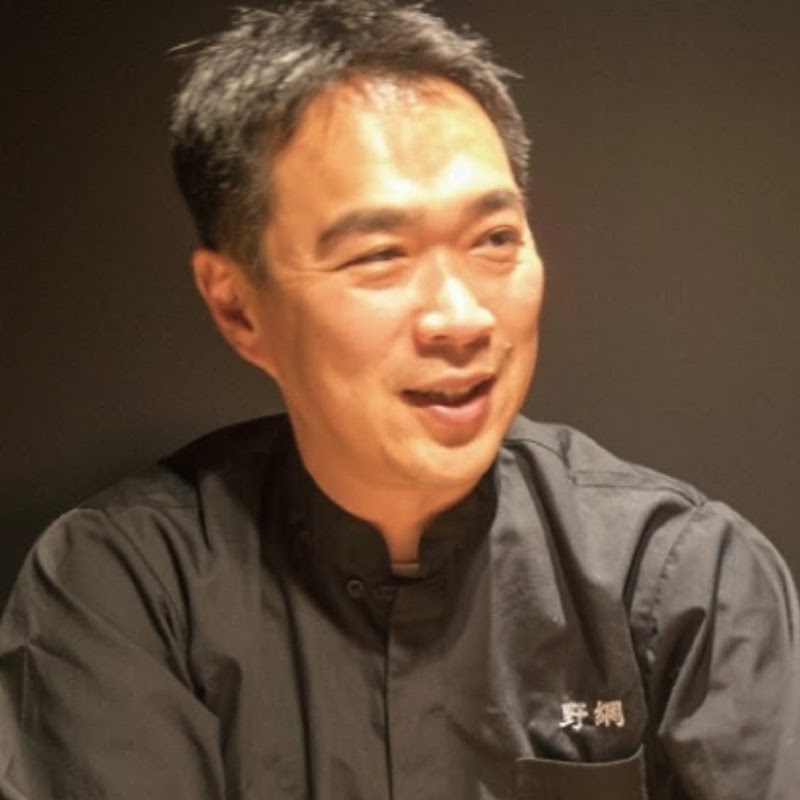
【野乃鳥】野網厚詞の鳥、まるごと。
7,210人 subscribers ・ 焼き鳥
* Opens YouTube channel
* Subscriber count is as of article creation and may differ from the current number.
