

Recipe
What Makes the Chef's Blanched Hamo Different: Tender Skin & Rare Center

Ingredients
- Hamo(pike conger): 550–650g (fresh, with small eyes)
- Homemadepickled plums (umeboshi): 17–18% salt concentration, pickled with red shiso
- Tamasake(sake-water mixture): to taste
- Salt:to taste
- Bambooor metal skewers: 2–3
- Coldor ice water: to taste
About "Blanched Hamo (Pike Conger)"
For the ultimate Blanched Hamo (Pike Conger), the chef insists on using fresh 550–650g hamo, skewering it to keep it flat, and cooking the skin side as long as possible to make it gelatinous while keeping the center rare. Combined with precise bone-cutting that preserves the inner skin around the belly bones and homemade plum paste, this dish brings out the hamo's natural sweetness to its absolute limit.
Tips for Making "Blanched Hamo (Pike Conger)"
-
Selection
- Select fresh hamo weighing 550–650g with small eyes. If too small, it lacks fat; if too large, the bones become too coarse.
-
Preparation
- Wash thoroughly and take care not to cut off the gelatinous inner skin around the belly bones during bone-cutting.
-
Heat & Cooking
- Secure the fillet with skewers to prevent curling. Cook the skin side in hot water for an extended period while keeping the flesh side rare.
-
Cooling & Prep
- Plunge into ice water immediately after cooking, then pat completely dry with paper towels.
-
Plum Paste Prep
- Use homemade pickled plums (17–18% salt) pickled with shiso. Desalt with tamasake and strain to create a paste that enhances the hamo's sweetness.
Ingredients for "Blanched Hamo (Pike Conger)"
6 items* Tap ingredient names to find on Amazon
How to Make "Blanched Hamo (Pike Conger)"
- 1
Prep and Washing the Hamo
Thoroughly wash the fresh hamo to rinse away any blood or visceral odors. This step is crucial to prevent any unpleasant smells from transferring to the flesh during aging.
- 2
Bone-Cutting and Preserving the Inner Skin
Fillet the hamo and perform hone-kiri (fine bone-cutting). Carefully cut the bones while preserving the gelatin-rich inner skin around the belly bones without slicing it off.
- 3
Skewering the Hamo
Skewer the hamo fillet using bamboo or metal skewers, adding supporting skewers to keep the flesh flat and prevent curling. This ensures the skin side cooks evenly in the hot water.
- 4
Blanching for Tender Skin
Place the hamo in hot water, keeping the skin side submerged for an extended period. Cook until the skin reaches a meltingly tender, gelatinous texture, while keeping the flesh side as rare as possible.
- 5
Cooling and Drying
Immediately plunge the blanched hamo into cold or ice water, then remove it quickly. Thoroughly pat dry with paper towels to remove all excess moisture.
- 6
Preparing Homemade Plum Paste
Pit the homemade pickled plums (17–18% salt, pickled with shiso) and soak them in tamasake to adjust the saltiness. Strain through a fine sieve to create a smooth plum paste with a sharp, balanced acidity and saltiness that perfectly complements the hamo.
- 7
Plating and Serving
Plate the chilled, dried hamo and serve with the prepared plum paste. This completes an exquisite dish where the sweetness of the hamo harmonizes beautifully with the refreshing plum paste.
- 8
Making Dashi from Hamo Trimmings
Salt the filleted bones, head, and tail, and let sit for 1 hour. Blanch them in boiling water (shimofuri) and wash away any blood and impurities. Simmer these perfectly prepped trimmings slowly to extract an exquisite dashi, which serves as the base for clear hamo soup (Botan Hamo) or hamo glaze.
- 9
Utilizing the Offal (Liver, Swim Bladder, Roe)
Simmer the liver, kidneys, and swim bladder with ginger to make shigureni. For the roe (mako), remove the thin outer membrane, lightly salt the individual eggs, and dehydrate them in the refrigerator to create a rich, sweet, and savory shiokara (salted preserve).
Food Science
Blanching heats and softens the collagen in the hamo's skin, while keeping the center raw creates a unique contrast of springy and rare textures. Rapidly cooling the fish in ice water prevents overcooking from residual heat, firming up the flesh and locking in moisture. Furthermore, pairing the delicate umami of hamo with the sharp acidity and saltiness of pickled plums balances the five basic tastes, utilizing the contrast effect to beautifully highlight the hamo's natural sweetness and umami.
Detailed Commentary on "Blanched Hamo (Pike Conger)"
* Content organized by topics from the video.
The Chef's Dedication & Kyoto Memories
The chef has spent decades working with hamo, having trained for many years in the Kanto region. He has also traveled to Kyoto—the heart of hamo cuisine—numerous times to study and taste various preparations. Recently, a regular customer from Kyoto requested a hamo dish. Since hamo's reputation in Kanto is highly polarized (with many finding it unappealing), the chef felt a bit anxious. However, when he served his specially prepared blanched hamo, the customer raved, saying, 'I've eaten hamo for decades, but this is the best I've ever had.' This gave the chef immense confidence. His hamo is completely different from the standard preparation, featuring none of the dry, spongy texture often associated with the dish.
Ideal Hamo Size and Selection
The chef strictly limits the hamo he uses for blanching (yubiki) to sizes between 550g and 650g. If it is too small, it lacks fat; if it is too large, the bones become too coarse and noticeable in the mouth. This weight range is the absolute sweet spot. Freshness is also paramount; only extremely fresh, lively hamo can yield a delicious blanched dish. If the fish has entered rigor mortis or started aging, the flesh becomes dry and crumbly. Furthermore, his secret tip for selection is to choose hamo with small, compact eyes. Even at the same size, hamo with smaller eyes consistently have finer bones, resulting in a much gentler texture.
Philosophy on Washing and Bone-Cutting
The chef believes that filleting fish cleanly and mastering hone-kiri (bone-cutting) are basic skills that any professional cook should naturally possess. What is far more critical is the preliminary washing (prep) stage. The chef previously explained the correct washing technique in detail in his sea bass prep video; if washing is insufficient, visceral and bloody odors will seep into the flesh during aging. Additionally, when performing hone-kiri on hamo, many chefs cut away the belly bones entirely, but this chef does not. This is because the inner skin (amakawa) surrounding the belly bones is rich in gelatin and incredibly flavorful. With precise bone-cutting technique, you can make the bones imperceptible without discarding this delicious inner skin.
Technique for Tender Skin and Rare Flesh
The ultimate secret to the chef's blanched hamo lies in making the skin incredibly tender while keeping the center of the flesh rare. When hamo is placed in hot water, the flesh naturally curls and waves. To prevent this, the chef skewers the fillet with bamboo or metal skewers, adding supporting skewers to keep it perfectly flat. This allows him to apply heat evenly and exclusively to the skin side in the hot water. To turn the skin into a meltingly tender, gelatinous texture, he keeps it in contact with the hot water for a surprisingly long time. Meanwhile, he keeps the flesh side almost untouched by heat, maintaining a semi-raw, rare state. Once the skin is sufficiently cooked, he immediately plunges it into ice water to cool, then quickly removes it and thoroughly dries it with paper towels.
Homemade Plum Paste to Elevate Hamo
Plum paste (ume-niku) is an indispensable accompaniment to blanched hamo. While many restaurants use bright red, store-bought plum paste, the chef uses his own homemade pickled plums (umeboshi) with a 17% to 18% salt concentration. Although pickled with red shiso, the thorough removal of bitterness from the shiso leaves results in a calm, cream-colored (almost brownish) paste rather than a vivid red. He pits these plums, soaks them in tamasake (or water) to desalt them to the perfect level, and then carefully strains them through a sieve to create an exquisite plum paste. To avoid overpowering the delicate hamo, he crafts a sharp, clean flavor where acidity and saltiness are in perfect harmony, beautifully drawing out the hamo's natural sweetness.
Zero Waste: Utilizing Hamo Offal
Driven by a strong philosophy of wasting nothing, the chef utilizes every part of the hamo's interior. From the belly, he extracts the liver, kidneys, swim bladder, and either the roe (mako) from females or milt (shirako) from males. After meticulous prep, the liver and swim bladder are simmered with ginger (shigureni) and served as a small appetizer. The roe is stripped of its thin outer membrane and turned into shiokara (salted preserve). By lightly salting the individual eggs and dehydrating them in the refrigerator, he concentrates their rich, sweet, and savory flavors into an incredible delicacy. Similarly, the milt is firmed up with salt, dehydrated, and gently tossed with seasonal summer vegetables for an elegant side dish.
Exquisite Dashi from Hamo Trimmings
The bones, head, and tail left after filleting are invaluable ingredients for the chef to extract an exquisite dashi. First, he salts the trimmings generously and lets them sit for about an hour to draw out excess moisture and odors. Next, he performs a quick blanch (shimofuri) in boiling water, then plunges them into cold water to thoroughly wash away any blood around the head, gills, and kidneys. Simmering these perfectly prepped trimmings slowly yields a clear, premium dashi used for clear hamo soup (Botan Hamo) or as the rich umami base for the hamo glaze brushed onto hamo sushi. Utilizing these trimmings—which are often thrown away—is the key to elevating the quality of the entire hamo feast.
About 大将に聞いてみた!
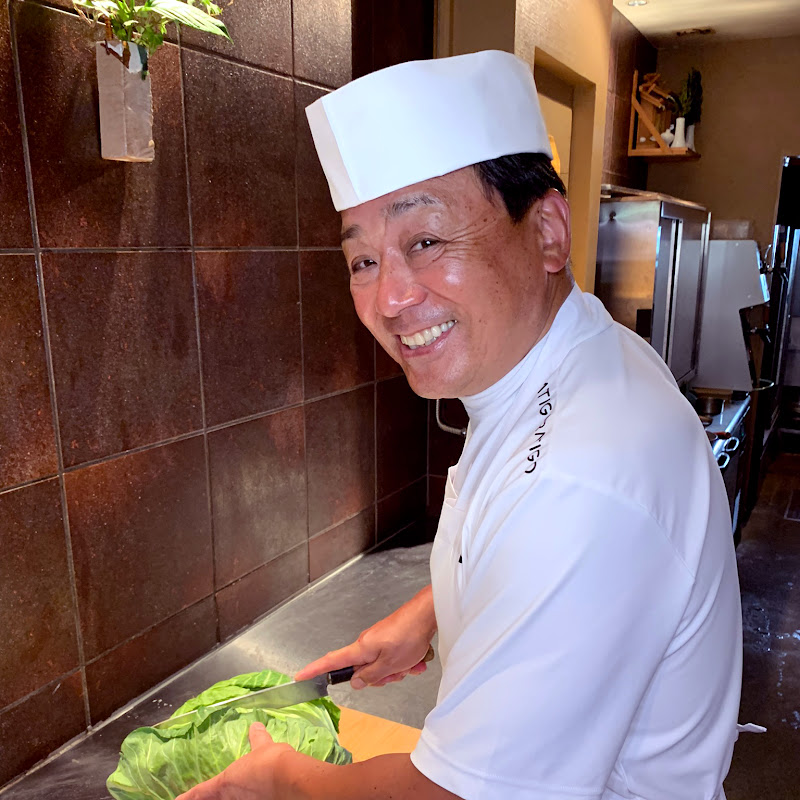
大将に聞いてみた!
2.1万人 subscribers ・ 日本料理・和食
* Opens YouTube channel
* Subscriber count is as of article creation and may differ from the current number.
