

Recipe
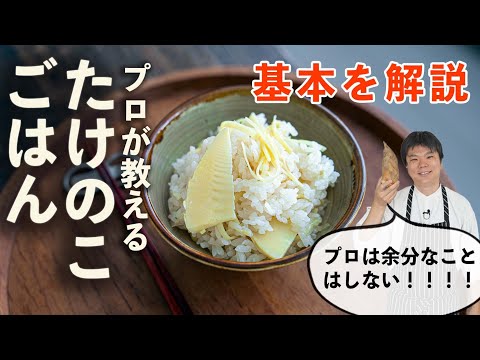
Professional Techniques for Exquisite Bamboo Shoot Rice #Recipe #NaoyaHiguchi
Ingredients
- 2cups rice (300g)
- 380mlichiban dashi (first-brew dashi)
- 1tbsp light soy sauce
- 1/2bamboo shoot
About "Bamboo Shoot Rice (Takenoko Gohan)"
Chef Naoya Higuchi introduces how to make bamboo shoot rice (takenoko gohan), a classic spring dish. This elegant, subtly seasoned dish is made with just rice, ichiban dashi (first-brew dashi), and light soy sauce. He explains in detail how to cook it to fluffy perfection using professional techniques: controlled water absorption (pre-soaking) and layering ingredients to avoid blocking heat convection. Mastering these basics will allow you to apply them to various seasonal mixed rice dishes.
Introduction to 樋口直哉の料理論[Cooking theory] →
Tips for Making "Bamboo Shoot Rice (Takenoko Gohan)"
-
Prep
- The 'controlled water absorption' method—letting rinsed rice sit in a strainer for 30 minutes—is crucial. Since seasonings make it harder for rice to absorb water, pre-soaking first is the key to fluffy rice.
-
Ingredients
- Use the tips and tender inner skins of the bamboo shoot. Pay attention to the fiber direction; cutting horizontally against the grain or vertically along the grain changes the texture. Cut the lower part horizontally and the upper part vertically to enjoy both textures.
-
Cooking
- Spread the bamboo shoots evenly on top of the rice and do not mix them in. Mixing the ingredients into the rice will disrupt the heat convection during cooking.
-
Heat control
- Bring to a boil over medium heat (approx. 5 mins), then reduce to low heat and cook for 8 to 10 minutes. Steam for 5 to 10 minutes afterward for a glossy, non-sticky finish.
-
Seasoning
- If you don't have light soy sauce, substitute with 1 tsp regular soy sauce, 2 tsp sake, and 1/4 tsp salt. Since this recipe is lightly seasoned, double the light soy sauce (keeping the dashi amount the same) if making it for bento boxes.
Ingredients for "Bamboo Shoot Rice (Takenoko Gohan)"
4 items* Tap ingredient names to find on Amazon
How to Make "Bamboo Shoot Rice (Takenoko Gohan)"
- 1
Wash and pre-soak the rice
Rinse the rice, drain it in a fine-mesh strainer, and let it sit for 30 minutes to absorb moisture. Since adding seasonings makes it harder for the rice to absorb water, pre-soaking is the ultimate secret to cooking it to fluffy perfection.
- 2
Cut the bamboo shoot
Use the tips and tender inner skins (himegawa) of the bamboo shoot prepared in the previous bitterness-removal video. Cut off the brown tips of the crown, and slice them minding the direction of the fibers. Slice the lower part horizontally against the grain (fibers) and the upper part vertically along the grain to enjoy different textures.
- 3
Add rice and dashi to the pot
Place the pre-soaked rice in a pot and pour in 380ml of cooled ichiban dashi. A Staub Pico Cocotte Round 20cm is recommended, but you can also use a standard rice cooker.
- 4
Layer the bamboo shoots
Spread the bamboo shoots evenly on top of the rice; do not mix them in. Mixing the ingredients into the rice will disrupt the heat convection during cooking.
- 5
Season and start cooking
Drizzle 1 tbsp of light soy sauce over the bamboo shoots and place over medium heat. It should take about 5 minutes to reach a boil; you may open the lid to check if it is boiling.
- 6
Simmer on low heat
Once boiling, reduce the heat to low and cook for 8 to 10 minutes.
- 7
Steam
Turn off the heat and let it steam for 5 minutes (or up to 10 minutes if preferred). Steaming ensures a glossy finish without stickiness.
- 8
Mix and serve
Once steamed, open the lid and gently fold the rice from the bottom. Mixing while letting excess steam escape from the surface of the rice prevents stickiness and gives it a glossy finish. When serving, place larger pieces of bamboo shoot on top for an appealing presentation.
Food Science
Combining the glutamic acid of kombu kelp and the inosinic acid of bonito flakes in the ichiban dashi with the umami compounds of soy sauce creates an umami synergy. Additionally, the rich umami of the dashi and the saltiness of the light soy sauce balance the subtle bitterness and sweetness unique to bamboo shoots, harmonizing the five basic tastes and highlighting the natural flavor of the ingredients.
Detailed Commentary on "Bamboo Shoot Rice (Takenoko Gohan)"
* Content organized by topics from the video.
The Appeal of Classic Spring Bamboo Shoot Rice
I'm Naoya Higuchi, author and chef. In this installment of our 'Delicious Vegetables Series,' we will make classic bamboo shoot rice (takenoko gohan) using the bamboo shoots we prepared in the previous video. Cooking mixed rice (takikomi gohan) actually involves professional techniques that differ from cooking plain white rice. Once you master these basic tips, you can apply them to various seasonal ingredients, such as peas or corn. This will greatly expand your home cooking repertoire, so please take this opportunity to learn the method and enjoy the taste of spring at home.
The Most Crucial Step: Pre-Soaking the Rice
The ingredients for 2 servings are 2 cups of rice (300g), 380ml of ichiban dashi, 1 tbsp of light soy sauce, and 1/2 of a bamboo shoot as the star of the dish. The most crucial step here is pre-soaking the rice. For this recipe, we use a method called controlled water absorption, where the rinsed rice is drained in a strainer and left to sit for 30 minutes. When seasonings like salt or soy sauce are added, it becomes harder for the rice to absorb water. Therefore, letting the rice fully absorb moisture before adding any seasonings is the ultimate secret to cooking it to fluffy perfection. Taking this extra step is the first stride toward achieving a professional-quality finish.
Cutting Bamboo Shoots to Enhance Texture
We will use the tips and tender inner skins (himegawa) of the bamboo shoot prepared in the previous video. The inner skins are highly aromatic, making them an excellent ingredient for mixed rice. Trim off the brown tips of the crown as they don't look very appealing. When cutting bamboo shoots, pay attention to the direction of the fibers. Since the fibers run vertically, cutting horizontally against the grain or vertically along the grain completely changes the texture when eaten. To enjoy both textures, we cut the lower part against the grain and the upper part along the grain. The ingredient amounts don't have to be exact, so feel free to make it with what you have.
Layering and Cooking to Allow Convection
We will cook the rice in a pot today, but you can certainly use a rice cooker as well. The recommended pot is the Staub Pico Cocotte Round 20cm. Place the pre-soaked rice in the pot and pour in 380ml of ichiban dashi. The second key tip is to spread the bamboo shoots evenly on top of the rice and never mix them in. If you mix the ingredients into the rice, it will disrupt the heat convection during cooking. Drizzle 1 tbsp of light soy sauce over the top and place over medium heat. It should take about 5 minutes to boil, and you can open the lid to check. Once boiling, reduce the heat to low and cook for 8 to 10 minutes (10 minutes for this batch).
Choosing Dashi and Light Soy Sauce Substitutes
The dashi used here is ichiban dashi, brewed from bonito flakes and kombu kelp. The secret to delicious mixed rice is using a light, not overly concentrated dashi. Also, you cannot cook rice with hot dashi, so make sure to use cooled dashi, or simply dissolve dashi powder in water for convenience. We use light soy sauce for seasoning, but if you don't have it at home, you can substitute 1 tbsp of light soy sauce by mixing 1 tsp of regular soy sauce, 2 tsp of sake, and 1/4 tsp of salt. Historically, even restaurants in Tokyo used to dilute regular soy sauce with sake like this when light soy sauce was hard to obtain.
Steaming and Tasting the Elegant Spring Flavor
After simmering on low heat for 10 minutes, turn off the heat and let it steam thoroughly for 5 minutes (or up to 10 minutes if you prefer). Once steamed, open the lid and gently fold the rice from the bottom. By mixing while letting the excess steam escape from the surface of the rice, you get a glossy finish without any stickiness. When serving, placing larger pieces of bamboo shoot on top makes it look beautiful and appetizing. Tasting it, a very elegant and gentle taste of spring fills your mouth. It is a luxurious flavor, just like dining at a high-end traditional Japanese restaurant.
Tips for Firmer Rice and a Famous Restaurant
This bamboo shoot rice is seasoned very lightly with only light soy sauce and ichiban dashi, without any extra ingredients. This is inspired by the professional restaurant style, meant to be enjoyed at the end of a meal alongside red miso soup. It is recreated in the image of the deeply moving bamboo shoot rice Higuchi once ate at the famous Shinbashi restaurant Kyomaji. If you prefer the rice grains to be slightly firmer and more distinct, try reducing the dashi by 1 tbsp and adding 1 tbsp of sake instead. Alcohol helps firm up the rice grains. It remains delicious even when cold, making it perfect for rice balls the next day.
About 樋口直哉の料理論[Cooking theory]
樋口直哉の料理論[Cooking theory]
7.9万人 subscribers ・ 家庭料理/調理科学
* Opens YouTube channel
* Subscriber count is as of article creation and may differ from the current number.
