

Recipe
#356 Florentine Street Food Classic: Lampredotto (Tripe Stew) Pasta | Fast Food | Traditional Cuisine | Omasum | Abomasum | Italian
Ingredients
- 1.6mmSpaghetti: 200g
- Omasum(after prep): 50g
- Abomasum(after prep): 50g
- Tomatosauce: 50g
- Garlic:3 cloves
- Redchili pepper: to taste
- Salsaverde: 40g
- [Lampredotto(for stewing)]
- Omasum:1kg
- Abomasum:1kg
- Onions:4
- Carrots:2
- Celerystalks: 2
- Blackpepper: to taste
- Italianparsley stems: to taste
- Broth(bouillon): to taste
- Salt:to taste
- Vinegar(such as wine vinegar): to taste (for parboiling)
- Kombudashi (kelp water): to taste
- Bayleaves: to taste
- [SalsaVerde]
- Scallions:1 bunch
- Italianparsley: 8g
- Capers(desalted): 10g
- Anchovies:5g
- Lemon(zest and juice): to taste
- Extravirgin olive oil: to taste
- Garlic:to taste
About "Lampredotto (Tripe Stew) Pasta"
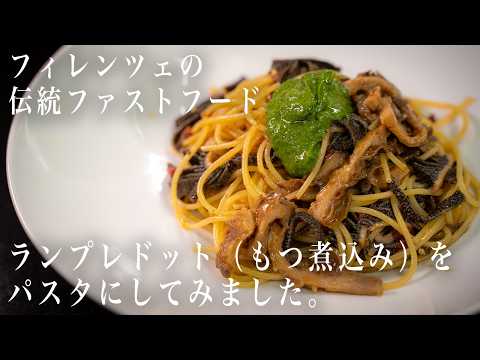
This dish is a spicy, oil-based pasta adaptation of "Lampredotto" (tripe stew), a traditional street food from Florence, Italy. Beef omasum (third stomach) and abomasum (fourth stomach) are thoroughly cleaned by rubbing with salt and boiling three times with vinegar to remove any odor, then simmered for hours with aromatic vegetables and bouillon to extract their rich umami. The pasta features an oil-based sauce with a touch of tomato as a secret ingredient, topped with a special salsa verde made from scallions, parsley, anchovies, and capers.
Introduction to ポンテベッキオ山根大助の全力イタリアン →
Tips for Making "Lampredotto (Tripe Stew) Pasta"
-
Prep
- Sprinkle omasum and abomasum generously with salt and rub vigorously to draw out excess moisture and odors before rinsing.
-
Prep
- Parboil a total of three times in water with salt and vinegar, discarding the water and rinsing with cold water each time.
-
Heat Control
- Always start heating from cold water to draw out impurities. Hot water seizes the surface, trapping odors inside.
-
Heat Control
- Cover until boiling to raise the temperature, then remove the lid. Keeping it covered traps evaporating odors inside.
-
Simmering
- Use a parchment drop-lid to keep ingredients submerged in minimal broth, then simmer gently on low for 2 to 3 hours.
-
Salsa Verde
- Do not use raw scallions; blanch briefly, cool in ice water, and crush with a rolling pin to remove excess sliminess.
-
Salsa Verde
- Blend high-quality olive oil with standard, neutral extra virgin olive oil to prevent the sauce from becoming too bitter.
-
Seasoning
- Keep the pasta sauce oil-based, adding only a small amount of tomato sauce as a secret ingredient for depth.
-
Finishing
- When tossing the pasta, gradually add kombu water or olive oil to emulsify the sauce and prevent separation.
-
Finishing
- Top the plated pasta with the salsa verde mixed with a squeeze of lemon juice to finish.
Ingredients for "Lampredotto (Tripe Stew) Pasta"
28 items* Tap ingredient names to find on Amazon
- 1.6mmSpaghetti: 200g
- Omasum(after prep): 50g
- Abomasum(after prep): 50g
- Tomatosauce: 50g
- Garlic:3 cloves
- Redchili pepper: to taste
- Salsaverde: 40g
- [Lampredotto(for stewing)]
- Omasum:1kg
- Abomasum:1kg
- Onions:4
- Carrots:2
- Celerystalks: 2
- Blackpepper: to taste
- Italianparsley stems: to taste
- Broth(bouillon): to taste
- Salt:to taste
- Vinegar(such as wine vinegar): to taste (for parboiling)
- Kombudashi (kelp water): to taste
- Bayleaves: to taste
- [SalsaVerde]
- Scallions:1 bunch
- Italianparsley: 8g
- Capers(desalted): 10g
- Anchovies:5g
- Lemon(zest and juice): to taste
- Extravirgin olive oil: to taste
- Garlic:to taste
How to Make "Lampredotto (Tripe Stew) Pasta"
- 1
[Omasum & Abomasum Prep: Salt Rubbing] Place the omasum (and abomasum) in a bowl, sprinkle generously with salt, and rub vigorously to draw out excess moisture and odors. Rinse thoroughly with water.
- 2
[First Parboiling] Place the rinsed omasum in a pot with plenty of water, salt, and vinegar, and bring to a boil starting from cold water. Cover with a lid until it boils, then remove the lid and simmer for 5 to 10 minutes. Remove the omasum, wash it in cold water, discard all the boiling liquid, and clean the pot.
- 3
[Second & Third Parboiling] Repeat the parboiling process starting from cold water with salt and vinegar two more times (three times in total). Rinse with cold water each time to thoroughly remove any remaining odor.
- 4
[Main Stewing] Cut the completely odor-free omasum and abomasum into bite-sized pieces. Pour broth (bouillon) and kombu water into a pot, and add the cut tripe. Add onions, carrots, celery, Italian parsley stems, bay leaves, and black pepper. Cover with a parchment paper drop-lid (otoshibuta) and then the pot lid. Simmer gently over low heat for 2 to 3 hours until meltingly tender.
- 5
[Making Salsa Verde] Briefly blanch the scallions, immediately cool them in ice water, and squeeze out excess moisture. Crush them with a rolling pin to remove excess sliminess, then chop into suitable pieces. In a blender, combine the scallions, Italian parsley, desalted capers, grated garlic, anchovies, and lemon zest. Add standard extra virgin olive oil and blend until smooth, then adjust the seasoning to taste.
- 6
[Finishing the Pasta Sauce] Heat olive oil and garlic in a pan over low heat, then add the red chili pepper to release its aroma. Add the thinly sliced abomasum and omasum, along with some of their respective stewing broths. Add a small amount of tomato sauce to add depth. Remove the garlic and simmer for 5 to 6 minutes to reduce.
- 7
[Boiling the Pasta] Cook the 1.6mm spaghetti in salted boiling water (follow the package instructions for cooking time).
- 8
[Finishing & Plating] Add the cooked pasta to the pan and toss well to coat with the sauce, adding small amounts of kombu water or olive oil as needed to prevent separation. Plate the pasta and top with the salsa verde mixed with a squeeze of lemon juice to finish.
Detailed Commentary on "Lampredotto (Tripe Stew) Pasta"
* Content organized by topics from the video.
Adapting a Traditional Dish into Pasta
Chef Daisuke Yamane takes on the challenge of adapting 'Lampredotto' (tripe stew), a traditional street food from Florence, Italy, into a pasta dish. While it is traditionally served in a sandwich, today it will be transformed into a spicy, oil-based pasta. The main ingredients used are beef abomasum (fourth stomach) and omasum (third stomach). Cows have four stomachs (rumen, reticulum, omasum, and abomasum), and while traditional lampredotto uses abomasum, Chef Yamane includes omasum here to enjoy its unique texture. By simmering them slowly with aromatic vegetables (onions, celery, carrots, bay leaves, and pepper), he coaxes out the maximum umami from the tripe. This cooking process is packed with the chef's dedication to expressing traditional flavors through pasta.
Thorough Prep and Parboiling
The most crucial step in cooking tripe is thoroughly removing any unpleasant odors. First, place the raw omasum in a bowl, sprinkle generously with salt, and rub it vigorously. This salt-rubbing draws out excess moisture along with the characteristic offal smell. Once thoroughly rubbed, rinse it clean with water. At this stage, you will see the water turn quite cloudy as the odor is washed away. Next, place the rinsed omasum in a pot with water, adding plenty of salt and vinegar (such as wine vinegar). The acidity of the vinegar combined with the salt works to further neutralize the smell. Bring it to a boil, let it cook for a bit, then remove the omasum and wash it thoroughly with water. Since the first boiling liquid contains a strong odor, discard it completely and clean the pot.
The Secret to Parboiling from Cold Water
Since parboiling just once is not enough to completely remove the odor, this process is repeated three times in total. For the second and third rounds, place the omasum, salt, water, and vinegar in the pot and heat. The key tip here is to 'always start from cold water.' If you place the tripe directly into hot water, the surface of the meat will seize up rapidly, making it difficult for internal impurities and odors to escape. Therefore, starting from cold water is an absolute rule when you want to thoroughly draw out impurities. Additionally, keep the pot covered until it boils to raise the temperature, but remove the lid once it starts boiling. If you keep it covered while boiling, the evaporating odors will trap inside and seep back into the ingredients. Let it boil thoroughly for 5 to 10 minutes, rinsing it clean with cold water after each parboiling.
Special Scallion-Based Salsa Verde
An indispensable accompaniment to lampredotto is the green sauce, 'salsa verde.' While it is typically made with parsley and capers, Chef Yamane prepares a special version using a scallion base. First, briefly blanch the raw scallions. Using them raw would make the flavor too sharp and slimy, so blanching tempers them. Once blanched, immediately plunge them into ice water to cool completely, then squeeze out the moisture. Next, crush the scallions with a rolling pin to remove any excess sliminess that oozes out. Place the chopped scallions, parsley, desalted capers, grated garlic, anchovies, and lemon zest into a blender. Add olive oil; however, using only high-quality extra virgin olive oil can result in a strong bitterness, so a blend with standard, neutral extra virgin olive oil is used. Blend until smooth and adjust the seasoning at the end.
Simmering with Aromatics and Bouillon
After parboiling three times to completely remove any odor, cut the omasum into bite-sized pieces. Pour bouillon and kombu water into a pot, and add the cut omasum. Next, toss in plenty of aromatic vegetables: onions, parsley, celery, carrots, bay leaves, and pepper. From here, simmer slowly until the omasum becomes meltingly tender. Placing a parchment paper drop-lid inside the pot allows the liquid level to rise even with a small amount of broth, ensuring all ingredients remain fully submerged. Cover the pot with its lid and simmer gently over low heat for 2 to 3 hours, maintaining a gentle bubble. In the video, abomasum prepared and simmered in the same meticulous way is also readied separately, combining both cuts as the pasta's main ingredients.
Finishing the Umami-Rich Sauce
Finally, it is time to finish the pasta. Heat garlic and olive oil in a pan over low heat, then add the red chili pepper to draw out its aroma. Add the thinly sliced abomasum and omasum, along with their respective umami-rich cooking broths. Next, add a small amount of tomato sauce to add depth. The key is to keep it as a subtle secret ingredient in an oil-based sauce, rather than turning it into a full tomato sauce. Remove the garlic and simmer for 5 to 6 minutes until the pasta (1.6mm) is cooked. Toss the cooked pasta into the pan and quickly coat it with the sauce. To prevent the water and oil from separating, gradually add small amounts of kombu water or olive oil, tossing well to emulsify the sauce onto the pasta. Plate the pasta and top with the special salsa verde mixed with a little lemon juice to complete the dish.
About ポンテベッキオ山根大助の全力イタリアン
ポンテベッキオ山根大助の全力イタリアン
3.6万人 subscribers ・ イタリアン
* Opens YouTube channel
* Subscriber count is as of article creation and may differ from the current number.
