

Recipe
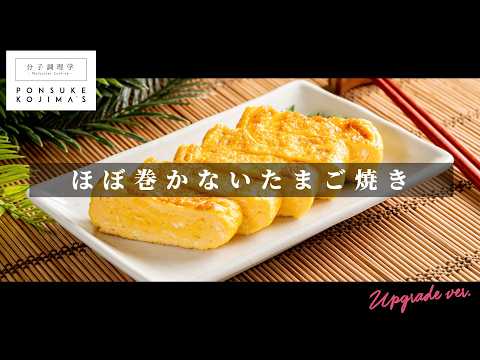
The Secret Was Barely Rolling It! Restaurant-Quality Tamagoyaki (Japanese Rolled Omelet)
Ingredients
- 3eggs (4 if small)
- 1tbsp sugar
- 2tsp shiro-dashi
- 1tbsp water
- 1tbsp vegetable oil
About "Atsuyaki Tamagoyaki (Thick Rolled Omelet)"
This recipe helps even those who struggle with rolling make a restaurant-quality, jiggly and juicy Atsuyaki Tamagoyaki (thick rolled omelet) using three key points: whisking to keep the egg white's structure, cooking like scrambled eggs, and rolling only once at the very end. This is a sweet, Kanto-style recipe based on molecular cooking science to ensure foolproof results.
Introduction to こじまぽん助【分子調理学研究家】 →
Video Timestamps
Tips for Making "Atsuyaki Tamagoyaki (Thick Rolled Omelet)"
-
Prep
- Whisk the eggs just enough to leave some structure in the whites. Avoid over-whisking; keeping the thick part of the whites intact helps them coagulate better, creating a wonderful texture.
-
Heat control
- Heat the pan over medium heat until a drop of egg mixture sizzles and cooks instantly. Greasing the pan once with 1 tbsp of vegetable oil at the start is sufficient.
-
Cooking method
- Pour in 80% of the mixture and scramble it to set, fold it in half, then add the remaining 20%. Cooking in two stages drastically reduces the risk of failure.
-
Shaping
- Once rolled, press the omelet against the corners of the pan to shape it into a neat rectangle. No bamboo rolling mat is needed.
-
Finishing
- Sear the surface at the end to get a golden-brown color, which brings out a sweet, cake-like aroma.
Ingredients for "Atsuyaki Tamagoyaki (Thick Rolled Omelet)"
5 items* Tap ingredient names to find on Amazon
How to Make "Atsuyaki Tamagoyaki (Thick Rolled Omelet)"
- 1
Prepare the egg mixture
Crack 3 eggs into a bowl and add 1 tbsp sugar, 2 tsp shiro-dashi, and 1 tbsp water. Keeping the tips of your chopsticks touching the bottom of the bowl, move them back and forth to mix without incorporating too much air, leaving some structure in the egg whites. If you don't have shiro-dashi, you can substitute it with Japanese dashi powder or tsuyu.
- 2
Heat the tamagoyaki pan
Add 1 tbsp vegetable oil to the tamagoyaki pan and heat well over medium heat. It is ready when a drop of egg mixture sizzles and cooks instantly on contact. There is no need to repeatedly wipe the pan with oiled paper towels; greasing it once at the beginning is enough.
- 3
Cook most of the egg mixture
Pour about 80% of the egg mixture into the heated pan, leaving a small amount for the final rolling step. Shake the pan back and forth while stirring vigorously with chopsticks to cook it like scrambled eggs. Quickly fold the cooked edges inward until the entire mixture is soft and runny (half-cooked).
- 4
Make the first fold
Once the mixture has set slightly, use a spatula to fold it in half from the far side toward you, then slide it back to the far side of the pan.
- 5
Add the remaining egg and roll
Pour the remaining egg mixture into the empty space in front. Lift the folded egg at the back to let the liquid flow underneath. Lightly scramble the new egg mixture in the front, then roll the folded egg from the back all the way to the front in one motion.
- 6
Shape the omelet
Once rolled, press the omelet against the front corner of the pan to shape it into a neat rectangle. Searing the surface slightly to get a nice golden-brown color will bring out a sweet, cake-like aroma.
Food Science
Combining the inosinate from the bonito flakes and glutamate from the kelp in the shiro-dashi with the glutamate in the eggs creates a powerful umami synergy. Additionally, the balance of sweetness, umami, and saltiness from the sugar and shiro-dashi adds depth of flavor. Furthermore, the water-retaining properties of sugar combined with the added water slow down the thermal coagulation of the egg proteins, allowing the omelet to retain moisture and achieve a fluffy, moist texture.
Detailed Commentary on "Atsuyaki Tamagoyaki (Thick Rolled Omelet)"
* Content organized by topics from the video.
A New Tamagoyaki for Those Who Struggle to Roll
Today, we are sharing a revolutionary tamagoyaki recipe that requires almost no rolling, perfect for anyone who struggles with rolling or ends up burning their eggs. Based on molecular cooking science, this method uses standard ingredients and requires no special skills, yet yields an incredibly delicious result. This version is a sweet, Kanto-style Atsuyaki Tamagoyaki (thick rolled omelet). With so many recipes out there, it can be hard to know which one is best. To clear up the confusion, we will break down the process into three key points: 1) how to whisk the eggs, 2) scrambling instead of rolling, and 3) rolling just once at the very end. By focusing on these three steps, you can easily achieve a professional, restaurant-quality flavor.
Whisking and the Golden Ratio for Jiggly Eggs
First, let's look at key point #1: how to whisk the eggs. Crack 3 eggs into a bowl (or 4 if they are small). Add 1 tbsp sugar, 2 tsp shiro-dashi, and 1 tbsp water. If you don't have shiro-dashi, you can substitute it with Japanese dashi powder or tsuyu. Adding water is the secret to making the omelet incredibly jiggly. The trick to mixing is to keep the tips of your chopsticks touching the bottom of the bowl and move them back and forth to avoid incorporating too much air. Aim to under-mix slightly to preserve the structure of the egg whites. Eggs consist of yolks, thick whites, and thin whites. Keeping the structure of the thick whites helps them coagulate better when heated, creating a delightful contrast in texture that makes the final dish taste much better.
Pan Care and Temperature Control for Success
Before we start cooking, let's talk about the lifespan of a tamagoyaki pan. If you use a non-stick pan daily for making bento, the coating typically lasts about six months to a year. Making rolled omelets subjects the pan to rapid temperature changes, which puts a lot of stress on the coating. Once the eggs start sticking, it's time to replace it. Having the right tools in good condition is crucial for delicious results. To prepare, add 1 tbsp vegetable oil to the pan and heat it thoroughly over medium heat. The secret to a fluffy texture is getting the pan hot enough so that a drop of egg mixture sizzles and cooks instantly. Unlike typical recipes, you don't need to keep wiping the pan with oil between layers—greasing it just once at the beginning is more than enough.
The Scramble Method: No Rolling Required
Key point #2 is the scramble-and-set method, which requires no rolling. Pour about 80% of the egg mixture into the heated pan all at once, leaving just a small amount for the final roll. Once poured, shake the pan back and forth while stirring vigorously with chopsticks to cook it like scrambled eggs. Quickly fold the cooked edges inward until the entire mixture is soft and runny. This technique locks the moisture inside the egg, resulting in an incredibly juicy and jiggly texture. Once the mixture has set slightly, use a spatula to fold it in half from the far side toward you to shape it.
Roll Once at the End for Foolproof Shaping
Key point #3 is rolling just once at the very end. Slide the folded egg to the back of the pan, and pour the remaining egg mixture into the empty space in front. Lift the cooked egg slightly to let the liquid flow underneath. Lightly scramble the new egg mixture in the front, then roll the cooked egg from the back to the front in one swift motion. Splitting the process into these two stages drastically reduces the risk of tearing, allowing anyone to achieve a beautiful shape. Once rolled, press the omelet against the corners of the pan to shape it into a neat rectangle. You don't even need a bamboo rolling mat—the shape of the pan does all the work. Finally, sear the surface to get a beautiful golden-brown color, which brings out a sweet, cake-like aroma.
Incredible Flavor and More Egg Recipes
Slice and plate your finished omelet, and your restaurant-quality tamagoyaki is ready to serve. One bite of this jiggly, tender, and juicy dashi-filled omelet will absolutely blow you away. At the end of the video, we also share four other egg recipes for you to try: 1) 'Ultimate Tamago Kake Gohan' (raw egg over rice) made incredibly delicious just by changing the assembly order, 2) 'Kansai-style Crab Egg Foo Young' using this same technique, 3) a beautiful 'Fried Egg Rice Bowl' where the yolk always stays perfectly centered, and 4) the fluffiest 'Scrambled Egg Crumble' (Tamago Soboro) you'll ever make. All of these are easy, science-backed recipes that deliver professional results, so be sure to check them out!
About こじまぽん助【分子調理学研究家】
こじまぽん助【分子調理学研究家】
15.6万人 subscribers ・ 家庭料理
* Opens YouTube channel
* Subscriber count is as of article creation and may differ from the current number.
