

Recipe
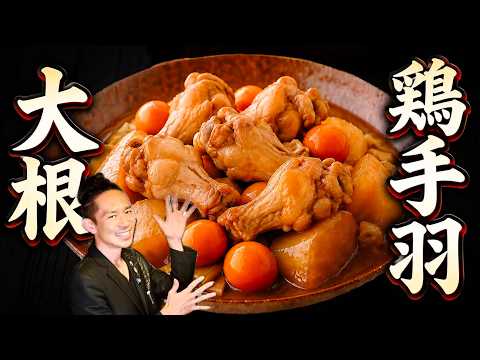
You're Missing Out If You Don't Know This Chicken Drumette Recipe: 'Shin' Chicken & Daikon!
Ingredients
- 300gchicken drumettes
- 500gdaikon radish
- 30gginger
- 2pinches baking soda (1 pinch for chicken, 1 pinch for daikon)
- 1/2tbsp sesame oil
- 300mlwater
- 80mlcooking sake
- 40mlmirin
- 2tbsp sugar
- 3tbsp soy sauce
- 1tsp Hondashi
- 1tbsp ponzu
- 1tsp honey
- 1tbsp grated daikon radish
- Immaturechicken egg yolks (kinkan), to taste
About "Braised Chicken Drumettes and Daikon Radish"
A quick braised dish using baking soda, made with just 300g of chicken drumettes and 500g of daikon radish. Thanks to ginger enzymes and the alkalinity of baking soda, the daikon softens in just 5 minutes instead of the usual hour. By searing to concentrate the flavors and seasoning with sweetness first, deep flavors penetrate the ingredients in a short time. It is gentle on the stomach and an ultimate budget-friendly dish costing under 100 yen per serving.
Introduction to 予約7年待ち「肉の鬼才」森田隼人の料理研究所 →
Tips for Making "Braised Chicken Drumettes and Daikon Radish"
-
Prep
- Butterfly the chicken drumettes along the bone, rub with ginger and baking soda, and marinate for 10 minutes. The ginger's zingibain enzyme is activated by the alkaline baking soda, tenderizing the meat.
-
Prep
- Coat the daikon with baking soda and let sit for 5 minutes. The pectin softens in the alkaline environment, cutting the usual 1+ hour simmering time by more than half.
-
Heat control
- Searing both the chicken and daikon thoroughly during the browning stage removes excess moisture and concentrates their umami and sweetness.
-
Seasoning
- Add sweetness (sake, mirin, sugar) first to let flavors penetrate via osmotic pressure, then add soy sauce later to dramatically deepen the aroma and taste.
-
Finishing
- Change up the flavor with a dipping sauce of ponzu, honey, and grated daikon. The acidity of ponzu, richness of honey, and freshness of daikon make it irresistible.
Ingredients for "Braised Chicken Drumettes and Daikon Radish"
15 items* Tap ingredient names to find on Amazon
How to Make "Braised Chicken Drumettes and Daikon Radish"
- 1
Prepping the Chicken Drumettes
Turn the chicken drumettes over and make light cuts along both sides of the bone to butterfly them slightly. This ensures even thickness for faster cooking and helps release umami from the bone.
- 2
Making and Applying Ginger-Baking Soda Paste
Grate 30g of ginger and mix it with 1 pinch of baking soda. Rub this paste thoroughly all over the drumettes, ensuring it adheres closely to block out oxygen, and let it marinate for 10 minutes. The zingibain enzyme in ginger is activated by the alkalinity of the baking soda, tenderizing the meat.
- 3
Prepping the Daikon Radish
Use the sweet top section of the daikon radish. Cut it into 5cm-thick rounds, then peel the skin thickly. Cut into 1cm-thick quarter-rounds, place them in a bowl, sprinkle with 1 pinch of baking soda, toss to coat, and let sit for 5 minutes. The baking soda shifts the pectin to alkaline, rapidly softening the texture and drastically reducing the cooking time.
- 4
Making Grated Daikon
Grate the remaining top section of the daikon to make grated daikon. It is rich in digestive enzymes like diastase and will be used later to change up the flavor.
- 5
Searing the Chicken Drumettes
Heat 1/2 tbsp of sesame oil in a pot over medium heat, and place the marinated chicken skin-side down. Render the delicious chicken fat (chiyu) from the skin and sear until both sides are nicely browned. Once browned, temporarily remove the chicken from the pot.
- 6
Searing the Daikon Radish
In the same pot containing the chicken's umami and fat, add the baking-soda-coated daikon directly and sauté over medium heat. Sear thoroughly until the surface of the daikon turns golden-brown and translucent. This removes excess moisture and concentrates its sweetness.
- 7
Starting the Braise (Seasoning with Sweetness)
Return the seared chicken to the pot with the daikon. Add 300ml water, 80ml cooking sake, 40ml mirin, and 2 tbsp sugar, then heat over medium. To prevent boiling, reduce the heat to low to maintain a sub-boiling temperature of about 95°C (203°F). Cover with a drop lid made of aluminum foil and simmer for 10 minutes. Adding salt first tightens the fibers, so penetrating with sweetness first makes it dramatically easier for the soy sauce added later to soak in.
- 8
Final Seasoning and Simmering
After 10 minutes, add 3 tbsp soy sauce and 1 tsp Hondashi, then simmer on low for another 10 minutes. Meanwhile, sterilize the surface of the immature egg yolks (kinkan) in boiling water. Add them to the pot at the very end of the simmer and quickly coat them with the braising liquid.
- 9
Plating and Flavor Change-up
Completed with a total of 20 minutes of simmering. Plate in a serving dish. Separately, serve with 'Honey Ponzu' made by mixing 2 tbsp ponzu, 1 tsp honey, and 1 tbsp grated daikon. Dipping the food in this sauce adds the acidity of ponzu, the richness of honey, and the refreshing taste of grated daikon.
- 10
Reheating After Letting It Sit Overnight
Letting it cool completely and then reheating it allows the flavors to penetrate even deeper, making it even more delicious. If you have time, eating it the next day is highly recommended.
Food Science
The action of baking soda (alkaline) increases the water-holding capacity of the chicken, making it juicy, while softening the fibers of the daikon so that flavors penetrate more easily. Additionally, there is an umami synergy between the inosinate in the chicken drumettes and the glutamate in the soy sauce and Hondashi. Furthermore, adding ponzu, honey, and immature egg yolks harmonizes sweetness, acidity, saltiness, and umami, creating a deeply complex flavor profile.
Detailed Commentary on "Braised Chicken Drumettes and Daikon Radish"
* Content organized by topics from the video.
The Appeal of 'Shin' Chicken & Daikon & Fun Facts
To gently soothe a stomach fatigued by summer heat, overeating, or temperature swings, we introduce 'Shin' Chicken and Daikon Radish made with chicken drumettes and daikon. The star ingredient, daikon, is highly cost-effective and a wonderful vegetable available year-round. Actually, the flavor of daikon varies greatly depending on when and where it is harvested. Spring daikon, mainly from Kanto, has a strong pungency, while summer daikon, mostly from Hokkaido, features acidity and spiciness. Autumn and winter daikon, represented by the familiar green-necked daikon (Aokubi Daikon), is in peak season, rich in sugar and moisture, making it taste sweet. While you can enjoy these seasonal characteristics, today we will use a professional scientific approach to make it dramatically delicious and incredibly fast.
4 Key Points for Success and Ingredients
Before we start cooking, let's cover the '4 key points' to ensure this dish is a massive success. First is 'the power of pH and enzymes,' second is 'searing the ingredients thoroughly,' third is 'designing the seasoning starting with sweetness,' and fourth is the 'dipping ponzu.' Just keeping these in mind will dramatically elevate the final taste. The ingredients are incredibly simple: just 300g of chicken drumettes, about 500g of daikon, and 30g of ginger. The seasonings are basic pantry staples. Because it is so simple, the cooking method that maximizes the natural umami of the ingredients truly shines. Here begins the ultimate quick recipe that anyone can easily make to enjoy a restaurant-quality, authentic flavor.
Pro Prep Techniques to Draw Out Chicken Umami
First, we begin by prepping the chicken drumettes. Since the skin side yields delicious fat and aroma, utilizing this is key. Turn the meat over and make light cuts along both sides of the bone with a knife to butterfly them slightly. This not only ensures even thickness for faster cooking but also makes it easier for the umami from the bones to dissolve into the soup. Next, grate 30g of ginger. The proteolytic enzyme zingibain in ginger tenderizes meat, but it is actually weakly acidic. By adding a pinch of alkaline baking soda, we instantly activate the enzyme's function. Thoroughly rub this 'ginger-baking soda' paste all over the drumettes, ensuring close contact to block out oxygen, and let them marinate for 10 minutes.
Dramatically Faster! Daikon Prep with Baking Soda
Next is prepping the daikon. Daikon contains excellent components that warm the body and aid digestion. Today, we use the sweet section near the top of the daikon, cut it into 5cm-thick rounds, peel the skin thickly, and slice it into 1cm-thick quarter-rounds. The pectin in daikon hardens when combined with calcium, but it has the property of softening rapidly when shifted to alkaline. Here, we also sprinkle a pinch of baking soda and toss to coat, letting it sit for 5 minutes. This simple step cuts the cooking time of the daikon—which usually takes over an hour—by more than half. We also grate the remaining top section of the daikon to make grated daikon. This is rich in the digestive enzyme diastase and will play a major role in changing up the flavor later.
Searing Techniques to Concentrate Umami
Once the prep is done, we move on to the cooking process. Heat half a tablespoon of sesame oil in a pot over medium heat, and place the marinated chicken skin-side down to sear. The goal here is not just to brown the meat, but to fully render the delicious chicken fat, chiyu, from the skin. Once both sides are beautifully browned, temporarily remove the chicken. Then, in the same pot containing the chicken's umami and fat, add the baking-soda-coated daikon directly and sauté. Searing the daikon thoroughly before simmering removes excess moisture and concentrates its sweetness, making it instantly delicious. Sear it patiently until the surface turns golden-brown and translucent.
Braising Secrets Using Osmotic Pressure
Once the daikon is seared beautifully, return the chicken to the pot. Now we season, but based on the theory of osmotic pressure—a fundamental concept in Japanese cuisine—we start with sweetness first. Add 300ml water, 80ml cooking sake, 40ml mirin, and 2 tbsp sugar, and heat over medium. Boiling will toughen the meat, so reduce the heat to low to maintain a sub-boiling temperature of about 95°C (203°F). Cover with an aluminum foil drop lid and simmer gently for 10 minutes. If you add salt first, the fibers of the meat and daikon will tighten, making it hard for flavors to penetrate. By letting the sweetness penetrate first, the soy sauce added later will soak in dramatically better.
Finishing with a Luxurious Touch: Kinkan
After simmering with sweetness for 10 minutes, it's time for the final seasoning. Add 3 tbsp soy sauce and 1 tsp Hondashi to add richness and umami, then simmer on low for another 10 minutes. Here, an unexpected ingredient featured in the video is kinkan (immature chicken egg yolks). Kinkan refers to the stage before becoming egg yolks inside the chicken's ovary, a rare cut often used in yakitori skewers like 'Chochin.' Since they become tough if overcooked, sterilize the surface with boiling water beforehand and add them to the pot at the very end of the simmer. Just quickly tossing them in the braising liquid plumps them up beautifully, creating a luxurious finish reminiscent of a high-end yakitori restaurant.
Tasting and the Amazing Honey Ponzu Dip
With a total simmering time of just 20 minutes, an incredibly tender chicken and daikon dish is complete. When you insert chopsticks, they slide right through the daikon, and the chicken meat falls off the bone. Taking a bite, the sweetness of the daikon and the umami of the chicken are deeply infused, making it so tender you 'don't even need teeth.' Furthermore, here is the professional's masterstroke: serve it with 'Honey Ponzu' made by mixing 2 tbsp ponzu, 1 tsp honey, and 1 tbsp of the grated daikon we prepared. Dipping the food in this sauce adds the acidity of ponzu, the richness of honey, and the refreshing touch of grated daikon, transforming it into an unstoppable delicacy. Please try this ultimate dish that is gentle on both your stomach and your wallet, hard to believe it costs under 100 yen to make!
About 予約7年待ち「肉の鬼才」森田隼人の料理研究所
予約7年待ち「肉の鬼才」森田隼人の料理研究所
17.1万人 subscribers ・ 和牛・肉料理
* Opens YouTube channel
* Subscriber count is as of article creation and may differ from the current number.
