

Recipe
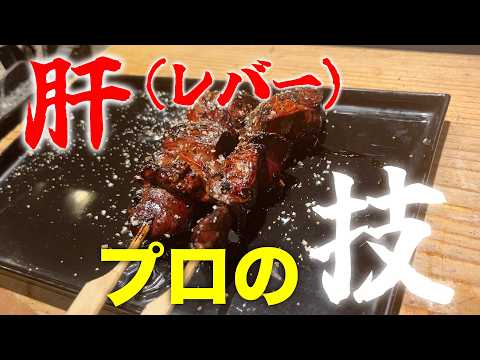
[Pro Secrets] Chicken Liver Skewers: Master Yakitori Prep, Skewering & Grilling
Ingredients
- BanshuHyakunichi Chicken liver: 36g (for 1 skewer)
- Yakitoritare (sauce): to taste
- Sake:a small amount (for misting)
- Sesameseeds: a pinch
- BudoSansho pepper (from Wakayama): a pinch
About "Chicken Liver Yakitori (Kimo-kushi)"
In this video, a professional yakitori chef with restaurants in Osaka and Tokyo teaches you how to prep, skewer, and grill chicken liver skewers (kimo-kushi). Using premium Banshu Hyakunichi Chicken liver, he demonstrates how to use a V-cut for beautiful presentation, sear quickly to lock in flavor, and use a steaming lid to reach a precise core temperature of 60°C (140°F). The result is an ideal, creamy texture that literally melts in your mouth.
Introduction to 【野乃鳥】野網厚詞の鳥、まるごと。 →
Tips for Making "Chicken Liver Yakitori (Kimo-kushi)"
-
Prep & Hygiene
- Poultry offal carries pathogens like E. coli, Salmonella, and Campylobacter. Avoid raw consumption and use dedicated cutting boards to prevent cross-contamination.
-
Cutting Technique
- Separate liver into large and small pieces. Trim small pieces and remove blood clots. V-cut large pieces so they expand and look plump and appetizing on the skewer.
-
Skewering
- Thread the skewer perfectly straight through the center. If you hit a tendon, adjust the path rather than forcing it. Aim for about 36g per skewer.
-
Heat Control
- Sear quickly to form a thin outer membrane while keeping the inside rare to lock in juices. Avoid overcooking, which chars the surface and stops it from plumping.
-
Core Temperature
- Use a steaming lid to cook gently over indirect heat, aiming for a core temperature of 60°C (140°F). Finish with a quick, intense sear for perfect residual heat.
-
Saucing
- Dip in tare sauce once the surface is sealed but the inside is raw, draining excess sauce first. Dip again at the end and lightly caramelize for aroma.
Ingredients for "Chicken Liver Yakitori (Kimo-kushi)"
5 items* Tap ingredient names to find on Amazon
How to Make "Chicken Liver Yakitori (Kimo-kushi)"
- 1
Separate the liver from the heart
Carefully separate the chicken liver from the heart using a kitchen knife.
- 2
Cut the liver by size
Divide the liver into large and small pieces. For the smaller pieces, lightly trim off any thin parts, cut them in half, and carefully remove any blood clots.
- 3
V-cut the large liver pieces
Cut the larger liver pieces at a slight V-angle rather than straight down. This creates a plump, appetizing appearance when skewered.
- 4
Skewering
Thread the skewer straight through the center of the liver, pushing the first piece all the way to the base. Gently pinch the pieces so they plump up from end to end. For the V-cut pieces, place the wider, plumper side facing up. Rotate the skewer to ensure it runs right through the center; if you hit a tendon, pull back and adjust. Leave a tiny bit of the skewer tip exposed, as the meat shrinks when grilled.
- 5
Prep and initial searing
Lightly mist the skewered liver with sake. Place it on the grill, keeping the base of the skewer slightly elevated if using a wire grate. Sear quickly, flipping frequently to form a thin outer membrane (like a sausage casing) while keeping the inside rare to lock in the juices.
- 6
First sauce dip
Once the surface is lightly seared but the inside is still raw, dip the skewer into the tare sauce for the first time. Tap the skewer against the edge of the container to drain excess sauce before returning it to the grill.
- 7
Heat control with a steaming lid
Grill while flipping the skewer once on each side. Be careful not to overcook, as charring the surface will prevent it from plumping up. Once it plumps up nicely, move it to the upper rack of the grill. If the heat is too low, cover it with a steaming lid to create a gentle medium-to-low heat environment, allowing the heat to penetrate slowly.
- 8
Core temperature and final sear
The most critical factor is the core temperature of the liver, aiming for close to 60°C (140°F). Finish with a quick, intense sear close to the high heat, which optimizes how the residual heat carries over after serving.
- 9
Second sauce dip and finish
Dip the skewer in the tare sauce one last time to lightly caramelize it. Garnish the grilled liver with sesame seeds and a pinch of Budo Sansho pepper to finish.
Food Science
Combining the rich umami (inosinic acid) in the liver with the glutamic acid in the tare sauce creates an outstanding umami synergy. Additionally, heating triggers the Maillard reaction between the sugars and amino acids in the sauce and liver, developing a deeply savory, caramelized aroma. Misting with sake helps control moisture to prevent dryness, while the finishing touch of sansho pepper adds a sharp kick that balances the overall flavor profile.
Detailed Commentary on "Chicken Liver Yakitori (Kimo-kushi)"
* Content organized by topics from the video.
The Ultimate Test: Mastering Chicken Liver
With 27 years of experience running yakitori restaurants in Osaka and Tokyo under the concept of "using the whole bird," Chef Noami shares his professional techniques for prepping, skewering, and grilling chicken liver. Expressing gratitude for his previous yakitori videos surpassing 10,000 views, he reveals his trade secrets. According to Chef Noami, chicken liver is the ultimate test for a yakitori chef; mastering the delicate balance of heat to achieve the perfect internal temperature is what separates a novice from a true professional.
Ingredient Intro & Offal Hygiene
The star ingredient is premium Banshu Hyakunichi Chicken liver. First, the heart and liver are carefully separated with a knife. Chef Noami emphasizes a crucial safety point: poultry offal naturally carries pathogens like E. coli, Salmonella, and Campylobacter, meaning it should never be eaten raw. He also warns about the risk of cross-contamination—such as cutting vegetables on the same board after prepping raw offal—and urges viewers to practice strict hygiene.
The V-Cut Technique for Better Presentation
The liver is divided into large and small pieces. For the smaller pieces, the thin edges are trimmed, cut in half, and any blood clots are carefully removed. When cutting the larger pieces, the chef's secret is to cut them at a slight V-angle rather than straight. This V-cut allows the liver to expand and plump up beautifully when skewered, making it look incredibly appetizing. The pieces are also sized progressively larger toward the tip of the skewer to match the heat profile of the grill.
Skewering: The Ultimate Challenge
Skewering chicken liver is incredibly difficult. While it may look easy to an amateur, Chef Noami smiles and says, "It's not that simple." The skewer must be threaded perfectly straight, starting by securing the base firmly. By gently pinching the liver, you skewer it so it plumps up from end to end, placing the wider side of the V-cut pieces facing up. Each skewer should weigh around 35g to 40g (36g in this video). If the skewer isn't perfectly centered, the liver will sag during grilling. If you hit a tough tendon, don't force it—pull back slightly and find a new path. Leave a tiny bit of the skewer tip exposed since the meat shrinks as it cooks.
Searing to Lock in Juices & First Sauce Dip
Lightly mist the skewered liver with sake and place it on the grill. If using a wire grate, keep the base of the skewer slightly elevated. Flip the skewers quickly to sear the surface and form a thin outer membrane (similar to a sausage casing). This rapid, rare-style sear locks in the liver's natural juices. Once the surface is lightly sealed but the inside is still raw, dip it into the tare sauce for the first time. Since the sauce can easily drip off, tap the skewer against the edge of the container to drain excess moisture before returning it to the grill.
Heat Control with a Lid & Core Temp
Grill the liver, flipping it once on each side. Be careful not to overcook, as charring the surface will prevent the liver from plumping up. Keep a close eye on the moisture; you don't want to hear too much loud popping or crackling. Once it plumps up, move it to the upper rack. If the heat is too low, cover it with a steaming lid to create a gentle, medium-to-low heat environment that cooks the liver slowly. The most critical factor is the core temperature, which should reach close to 60°C (140°F). Finally, give it a quick sear close to the high heat to optimize how the residual heat carries over after serving, then dip it in the sauce one last time to lightly caramelize it.
The Perfect Melt-in-Your-Mouth Texture
Garnish the grilled liver with sesame seeds and a pinch of Wakayama Budo Sansho pepper to finish. Taking a bite, the aroma spreads instantly alongside an incredibly fluffy, delicate texture. Chef Noami explains that overcooking makes liver dry and chalky, while undercooking leaves it soggy and limp. The ultimate goal is a creamy texture that literally melts in your mouth. This rich, luxurious flavor is so exquisite that it practically begs to be paired with a glass of red wine.
About 【野乃鳥】野網厚詞の鳥、まるごと。
【野乃鳥】野網厚詞の鳥、まるごと。
7,210人 subscribers ・ 焼き鳥
* Opens YouTube channel
* Subscriber count is as of article creation and may differ from the current number.
