

Recipe
[Revolutionary] Chef Kinya Komoda's Guide to Making Restaurant-Quality Stir-Fried Vegetables at Home

Ingredients
- 1bag pre-packaged 5-vegetable mix
- 100gpork slices (pork koma)
- Apinch of salt (for seasoning meat)
- Apinch of pepper (for seasoning meat)
- 1tbsp sake (for seasoning meat)
- 1tbsp potato starch (for seasoning meat)
- 1tbsp grapeseed oil (or cooking oil)
- 1/2tsp sugar (for sauce)
- Apinch of salt (for sauce)
- 1tsp soy sauce (for sauce)
- 1/2tsp oyster sauce (for sauce)
- Apinch of pepper (for sauce)
- 1tbsp sake (for sauce)
- 1/2tsp rice vinegar (for sauce, secret ingredient)
- 1/2tsp potato starch slurry (for sauce)
About "Pork Slices and Mixed Vegetables Stir-Fry (Pro-Style Blanching Method)"
Chef Kinya Komoda, with 38 years of culinary experience, shares professional techniques to fix soggy home stir-fries. The key is a counterintuitive approach: blanching the vegetables before stir-frying. This ensures a crispy texture and even cooking. The pork slices are seasoned with salt, pepper, sake, and potato starch to keep them tender, while a splash of vinegar in the sauce adds a refreshing touch. The actual stir-frying takes only 20 seconds, preventing water from pooling on the plate and allowing for a beautiful, piled-high presentation. Using pre-packaged mixed vegetables means no knife work is required, making this recipe incredibly easy to recreate.
Introduction to 菰田欣也の中華教えちゃいます‼︎ →
Tips for Making "Pork Slices and Mixed Vegetables Stir-Fry (Pro-Style Blanching Method)"
-
Prep (Meat)
- Massaging the pork with salt, pepper, and sake, then coating it with potato starch, locks in moisture and umami for a tender, juicy texture.
-
Prep (Vegetables)
- Before stir-frying, blanch the vegetables in boiling water for about 30 seconds until the water returns to a simmer, then drain immediately.
-
Seasoning
- Mix the sauce beforehand to coat everything instantly without fumbling. Adding a small amount of vinegar as a secret ingredient gives it a clean, refreshing finish.
-
Seasoning
- Including potato starch slurry in the sauce helps it cling to the vegetables, preventing water from pooling on the plate after serving.
-
Heat & Stir-Fry
- Stir-fry for less than 20 seconds after adding the vegetables. Pour in the sauce, toss the pan vigorously to coat quickly, and turn off the heat immediately.
-
Stir-Fry (Meat)
- Since the vegetables are only cooked briefly at the end, it is crucial to stir-fry the meat thoroughly first to build a fragrant, savory base.
Ingredients for "Pork Slices and Mixed Vegetables Stir-Fry (Pro-Style Blanching Method)"
15 items* Tap ingredient names to find on Amazon
- 1bag pre-packaged 5-vegetable mix
- 100gpork slices (pork koma)
- Apinch of salt (for seasoning meat)
- Apinch of pepper (for seasoning meat)
- 1tbsp sake (for seasoning meat)
- 1tbsp potato starch (for seasoning meat)
- 1tbsp grapeseed oil (or cooking oil)
- 1/2tsp sugar (for sauce)
- Apinch of salt (for sauce)
- 1tsp soy sauce (for sauce)
- 1/2tsp oyster sauce (for sauce)
- Apinch of pepper (for sauce)
- 1tbsp sake (for sauce)
- 1/2tsp rice vinegar (for sauce, secret ingredient)
- 1/2tsp potato starch slurry (for sauce)
How to Make "Pork Slices and Mixed Vegetables Stir-Fry (Pro-Style Blanching Method)"
- 1
[Prep Meat] Place the pork slices in a bowl, add a pinch of salt, a pinch of pepper, and 1 tbsp sake, and massage well by hand.
- 2
Add 1 tbsp potato starch and mix well to coat the meat evenly.
- 3
[Make Sauce] In a separate bowl, combine 1/2 tsp sugar, a pinch of salt, 1 tsp soy sauce, 1/2 tsp oyster sauce, a pinch of pepper, 1 tbsp sake, 1/2 tsp rice vinegar, and 1/2 tsp potato starch slurry, and mix well.
- 4
[Blanch Vegetables] Bring a generous amount of water to a boil in a pot or skillet, and add the entire bag of mixed vegetables all at once.
- 5
Blanch just until the water comes back to a gentle simmer after dropping from the cold vegetables (about 30 seconds). Immediately drain in a colander to remove excess water.
- 6
[Stir-Fry Meat] Heat 1 tbsp oil in a skillet, add the seasoned pork, and stir-fry thoroughly until nicely browned and fragrant.
- 7
[Finish] Once the meat is cooked and browned, add the blanched and drained vegetables to the skillet all at once, and toss quickly.
- 8
Stir the sauce again to incorporate any settled starch, pour it into the skillet, and toss vigorously to coat everything quickly within 20 seconds.
- 9
Once the sauce coats everything, turn off the heat immediately, pile high on a plate, and serve.
Detailed Commentary on "Pork Slices and Mixed Vegetables Stir-Fry (Pro-Style Blanching Method)"
* Content organized by topics from the video.
Why Home Stir-Fries Turn Out Soggy
In the fourth installment of his masterclass series, Chef Kinya Komoda teaches professional techniques to dramatically improve home stir-fried vegetables. Addressing the common frustration of soggy stir-fries, Chef Komoda suggests doing the exact opposite of what most people do. Since vegetables contain a lot of water, stir-frying them normally releases moisture, ruining their texture. To achieve a perfectly crispy stir-fry, you must discard conventional wisdom and adopt a professional, counterintuitive approach. In this video, he demonstrates this surprising technique using accessible ingredients from supermarkets or convenience stores so anyone can easily replicate it.
Simple Ingredients and Tenderizing the Pork
For this recipe, we use one bag of pre-packaged '5-vegetable mix' and 100g of pork slices. These convenient ingredients require no knife work, yet yield professional results. First, prep the pork. Place the meat in a bowl, add a pinch of salt, a pinch of pepper, and 1 tbsp sake, and massage it well by hand. Absorbing the sake makes the meat plump and tender. Next, add 1 tbsp potato starch and mix well. Coating the meat with starch locks in moisture and umami, keeping it juicy. During this step, Chef Komoda jokingly worries that if he gets too loud, he might overlap with the famous TV chef Wan Fu Chin, bringing laughter to the kitchen.
The Golden Ratio for a Refreshing Sauce
Next, prepare the sauce, which is key to the flavor. In a bowl, combine 1/2 tsp sugar, a pinch of salt, 1 tsp soy sauce, 1/2 tsp oyster sauce, a pinch of pepper, and 1 tbsp sake. Chef Komoda's secret tip is adding 1/2 tsp rice vinegar. Just a touch of vinegar gives the stir-fry a clean, refreshing finish. Finally, add 1/2 tsp potato starch slurry and mix well. Preparing the sauce beforehand prevents fumbling during cooking and ensures even seasoning in an instant. Perfecting your prep work like this is crucial for achieving restaurant-quality results at home.
A Counterintuitive Trick: Blanching Vegetables
Now, we move to the highlight of this recipe: blanching the vegetables. While most people try hard to stir-fry vegetables from raw, the professional method is the opposite. Drop the mixed vegetables all at once into boiling water. This prevents them from shrinking and losing moisture due to over-frying. However, over-boiling is strictly forbidden. The cold vegetables will drop the water temperature, so simply blanch them for about 30 seconds until the water returns to a gentle simmer. Immediately drain them in a colander. This blanching technique plumps up the vegetables and maximizes their crispy texture.
Fragrant Pork and a Soy Meat Anecdote
Heat 1 tbsp oil (such as grapeseed oil) in a skillet and stir-fry the seasoned pork. Since the vegetables will only be cooked briefly at the end, it is crucial to brown the meat thoroughly now to build flavor and infuse the pan with a savory aroma. If you don't eat meat, you can slowly stir-fry aromatics like scallions and ginger instead. Here, Chef Komoda shares an anecdote about his collaboration with Marukome on soy meat. He once served soy meat wrapped like Peking duck to a vegetarian customer, who praised it as 'better than real Peking duck!'—leaving the chef humorously wondering if the customer actually knew what real Peking duck tasted like.
Stir-Fry for Just 20 Seconds to Finish
Once the pork is beautifully browned, it's time for the final step. Add the blanched, well-drained vegetables to the skillet all at once. Toss quickly, then stir the sauce to incorporate any settled starch before pouring it in. Toss the skillet vigorously to coat everything rapidly. The actual stir-frying time is incredibly short—barely 20 seconds. As soon as the sauce coats the ingredients, turn off the heat and plate. This method prevents excess water from pooling at the bottom of the dish, allowing the vegetables to stand upright and pile high. The visual appeal alone is on a completely different level from typical home stir-fries.
Tasting the Amazingly Crispy Results
Chef Komoda tastes the finished stir-fry. Even at the bottom of the plate, there is absolutely no pooled water, keeping the dish pristine. With the first bite, a satisfying crunch from the bean sprouts and cabbage echoes, proving the outstanding texture. Because they aren't overcooked, the natural sweetness and flavor of each vegetable shine through. Chef Komoda emphasizes, 'People think stir-frying harder makes it crispy, but that's wrong. The counterintuitive method of blanching is the real secret.' With this pro technique, you can make perfect stir-fried vegetables at home. He wraps up with a smile, asking viewers to subscribe and like the video, hoping to continue the masterclass series.
About 菰田欣也の中華教えちゃいます‼︎
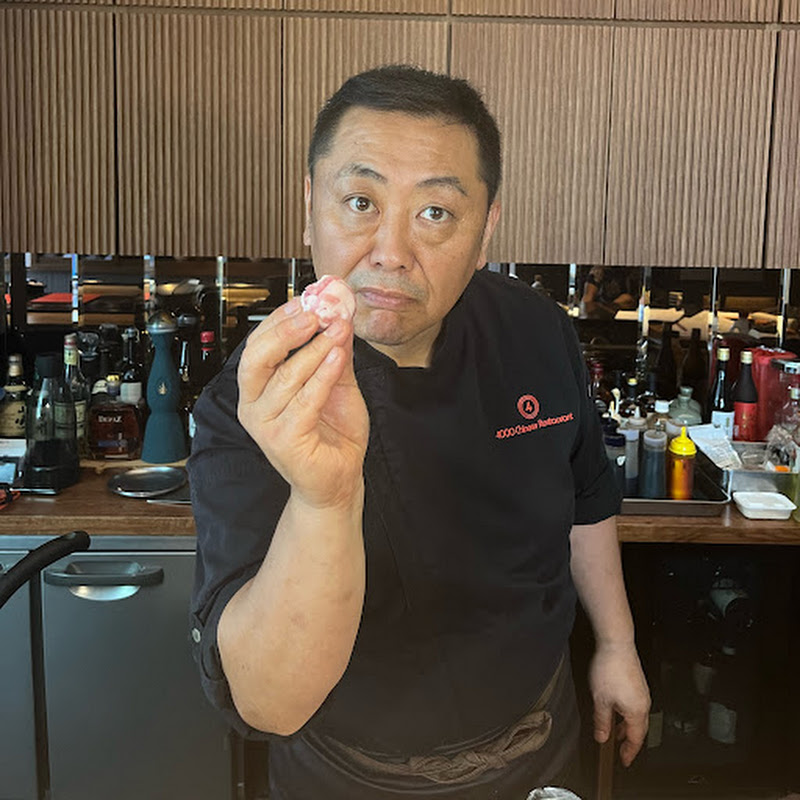
菰田欣也の中華教えちゃいます‼︎
7.2万人 subscribers ・ 中華
* Opens YouTube channel
* Subscriber count is as of article creation and may differ from the current number.
