

Recipe
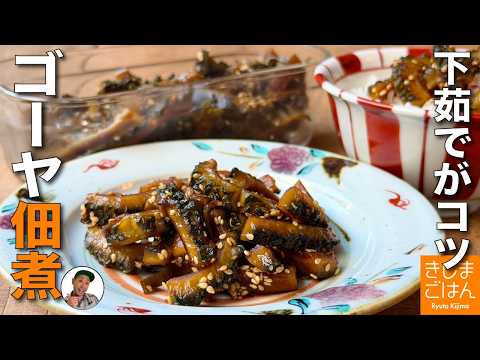
Use Up Bitter Melon! [How to Make Bitter Melon Tsukudani] Parboiled to Reduce Bitterness & Absorb Flavor Perfectly! An Easy-to-Eat Summer Meal Prep Recipe
Ingredients
- 1bitter melon (300g)
- 10cm kombu (dried kelp)
- 150ml water
- Saltto taste
- 2tbsp soy sauce
- 2tbsp sugar
- 1tbsp mirin
- 2g bonito flakes
- 1tbsp toasted white sesame seeds
About "Bitter Melon Tsukudani"
This sweet and savory tsukudani features bitter melon parboiled to reduce its bitterness, with rich umami added from kombu and bonito flakes. Slicing it to a perfect 6–7 mm thickness preserves its crunchy texture, while finishing with mirin and toasted white sesame seeds adds a beautiful glaze and aroma. It can be stored in the refrigerator for about a week, making it a versatile summer side dish that pairs wonderfully with rice, cold tofu, somen noodles, and more.
Introduction to きじまごはん 【料理家きじまりゅうた公式チャンネル】 →
Video Timestamps
Tips for Making "Bitter Melon Tsukudani"
-
Prep
- When cutting the bitter melon in half and removing the seeds and pith, score guidelines with the tip of a spoon first to scrape them out cleanly. Using a metal Chinese soup spoon makes it even easier.
-
Prep
- Slice the cleaned bitter melon into 6–7 mm thick pieces. Slicing too thin loses the crunchy texture, while slicing too thick prevents the flavors from penetrating.
-
Prep
- Soak the kombu in water beforehand to soften it, making it much easier to slice thinly later.
-
Heat control
- Parboil the sliced bitter melon in a generous amount of salted water over medium-high heat for about 2 minutes. Drain in a colander as soon as the color turns vibrant.
-
Seasoning/Heat
- Parboiling tempers the strong bitterness of the bitter melon and helps it absorb the seasonings more deeply.
-
Heat control
- Do not discard the kombu soaking water, as it contains extracted umami; use it directly as the simmering liquid.
-
Heat control
- After bringing the seasonings to a boil, reduce to medium-low heat and simmer for about 7 minutes, keeping the liquid bubbling gently.
-
Heat control
- Stir the mixture after about 3 minutes of simmering to ensure even flavor distribution.
-
Seasoning
- Add mirin when the liquid reduces to bring out a nice glaze and sweetness. A sweeter seasoning is the secret to making bitter melon easy to eat.
-
Seasoning
- Adding bonito flakes not only boosts umami but also helps absorb excess moisture and coat the ingredients.
-
Finishing
- After adding the bonito flakes, simmer and stir for about 1 minute until you hear a crackling sound, indicating the moisture has evaporated. Turn off the heat and mix in the toasted white sesame seeds.
-
Storage
- Let it cool completely, then transfer to a storage container and keep in the refrigerator for up to 1 week.
-
Serving ideas
- Highly versatile for summer dishes: serve over rice, as a topping for somen or cold soba, on cold tofu, with egg-on-rice, or in ochazuke.
Ingredients for "Bitter Melon Tsukudani"
9 items* Tap ingredient names to find on Amazon
How to Make "Bitter Melon Tsukudani"
- 1
Cut the bitter melon in half lengthwise, score guidelines with the tip of a spoon, and scrape out the seeds and white pith all at once.
- 2
Slice the cleaned bitter melon into 6–7 mm thick pieces.
- 3
Soak about 10 cm of kombu in 150 ml of water to soften.
- 4
Bring a generous amount of water to a boil in a pot and add salt to taste.
- 5
Parboil the sliced bitter melon over medium-high heat for about 2 minutes. Once the color turns vibrant, drain in a colander.
- 6
Remove the softened kombu from the water and slice it into 5 mm thin strips. Keep the soaking water to use as the simmering liquid.
- 7
In a pot, combine the parboiled bitter melon, sliced kombu, 2 tbsp soy sauce, 2 tbsp sugar, and the kombu soaking water.
- 8
Turn on the heat and bring to a boil quickly, then stir gently and spread the bitter melon flat so the pieces do not overlap.
- 9
Reduce the heat to medium-low and simmer for about 7 minutes, keeping the liquid bubbling gently throughout.
- 10
After about 3 minutes of simmering, stir the mixture to ensure even flavor distribution.
- 11
Once the liquid has reduced, drizzle in 1 tbsp of mirin.
- 12
When the liquid reduces further, add 2 g of bonito flakes.
- 13
Simmer and stir for about 1 minute. When you hear a crackling sound, it means the moisture has evaporated; turn off the heat.
- 14
Finally, mix in 1 tbsp of toasted white sesame seeds to finish.
- 15
Let it cool completely, then transfer to a storage container and keep in the refrigerator for up to 1 week.
Food Science
The strong bitterness of bitter melon is balanced and softened by the sweetness of sugar and mirin, the saltiness of soy sauce, and the synergistic umami effect of glutamic acid from kombu and inosic acid from bonito flakes. Additionally, simmering to thoroughly evaporate the moisture concentrates the rich flavors of the seasonings inside the bitter melon, improving both its shelf life and depth of flavor.
Detailed Commentary on "Bitter Melon Tsukudani"
* Content organized by topics from the video.
Prep Tips: Removing Bitter Melon Pith Cleanly
Today, we are making Bitter Melon Tsukudani, a perfect recipe to use up plenty of bitter melon, a classic summer ingredient. We will use one large bitter melon weighing about 300g. Since this side dish keeps well, it is very convenient to make a big batch. First, cut the bitter melon in half lengthwise and remove the seeds and white pith inside. A great tip here is to use a spoon. Score guidelines along both sides of the pith with the tip of the spoon, then scrape it all out at once for a clean finish. Since we are seasoning it with a strong, sweet-savory flavor, the bitterness won't be too noticeable, so you don't need to be overly meticulous about scraping it until it's completely white. Chef Kijima also recommends using a metal Chinese soup spoon (renge). Its thin, sturdy edge makes scraping out the pith much easier than using a regular spoon.
Slicing for Texture and Preparing the Kombu
Once the pith is removed, slice the bitter melon into 6–7 mm thick pieces. This thickness is crucial: if sliced too thin, it will lose its signature crunchy texture and become too soft; if sliced too thick, the flavors won't penetrate to the center. Keep this perfect thickness in mind as you slice. Next, soak about 10 cm of dashi kombu (dried kelp), which forms the umami base of the tsukudani, in 150 ml of water. Soaking it beforehand softens the kombu, making it much easier to slice thinly later. If you don't have kombu or bonito flakes at home, you can tear open a commercial dashi packet and use the powder inside, or simply use dashi stock when simmering. Adding these umami elements will significantly elevate the final flavor.
Parboiling to Reduce Bitterness & Absorb Flavor
Now for "Kijima's Quick Tip." We will briefly parboil the sliced bitter melon before simmering. This extra step not only tempers the strong, characteristic bitterness of the bitter melon but also helps it absorb the soy sauce, sugar, and other seasonings much better. The process is very simple: bring a generous amount of water to a boil in a pot, add salt to taste, toss in the sliced bitter melon, and boil over medium-high heat for about 2 minutes. As it cooks, the green color of the bitter melon will become beautifully vibrant. After 2 minutes, immediately drain it in a colander. This parboiling step makes the dish much milder and easier to eat, even for children or those who aren't fans of bitter flavors.
Simmering with Seasonings to Reduce
Once the kombu soaked earlier has softened, remove it from the water and slice it into 5 mm thin strips. Do not discard the soaking water, as it is packed with extracted umami; we will use it as our simmering liquid. In a pot, combine the parboiled bitter melon and sliced kombu, then add the seasonings: 2 tbsp of soy sauce, 2 tbsp of sugar, and the kombu soaking water (about 130–150 ml). Turn on the heat and bring it to a boil quickly, then stir gently and spread the bitter melon flat so the pieces do not overlap. Reduce the heat to medium-low and simmer for about 7 minutes, keeping the liquid bubbling gently throughout. After about 3 minutes of simmering, stir the mixture thoroughly to ensure even flavor distribution.
Concentrating Umami with Bonito and Sesame
After about 7 minutes of simmering, when the liquid has reduced, drizzle in 1 tbsp of mirin to add a beautiful glaze and sweetness. According to Chef Kijima, the secret to making bitter melon easy to eat is to season it on the sweeter side. A quick tip if you are doubling the recipe: do not simply double the amount of water, as it will take too long to evaporate. Instead, limit the water to about 1.5 times the original amount. As the liquid reduces further, add 2 g of bonito flakes. The bonito flakes not only add rich umami but also absorb the remaining moisture at the bottom of the pot, coating the ingredients beautifully. Simmer and stir for another minute; when you hear a crackling sound, the moisture has evaporated. Turn off the heat, mix in 1 tbsp of toasted white sesame seeds, and it's done!
Storage Tips and Serving Suggestions
Once the Bitter Melon Tsukudani has cooled completely, transfer it to a storage container and keep it in the refrigerator, where it will last for about 1 week. When Chef Kijima tasted it over warm rice, he praised it highly: "Delicious! The sweet and savory flavor hits you first, followed by the fragrant aroma of sesame and bonito flakes, with the pleasant, mild bitterness of the bitter melon coming through as you chew." This exquisite flavor is incredibly versatile. Beyond being a perfect companion for rice, it makes an excellent topping for summer somen or cold soba noodles, cold tofu (hiyayakko), egg-on-rice (TKG), or ochazuke. It is the ultimate meal prep recipe to stimulate your appetite during the hot summer. Try making a large batch and enjoy various combinations at your daily table!
About きじまごはん 【料理家きじまりゅうた公式チャンネル】

きじまごはん 【料理家きじまりゅうた公式チャンネル】
14.7万人 subscribers ・ 家庭料理
* Opens YouTube channel
* Subscriber count is as of article creation and may differ from the current number.
