

Recipe
Daikon and Potatoes in Hot Pot? | Chef's Style Fugu Hot Pot: Shabu-Shabu Style Daikon and New Potato Noodles

Ingredients
- Fugu(pufferfish, sashimi-grade or for hot pot)
- Daikonradish (sweet upper half)
- Newpotatoes (preferably from Kagoshima)
- Scallions(Tokyo negi)
- Napacabbage
- Shungiku(garland chrysanthemum)
- Yellowchives
- Tofuor kuzu tofu (arrowroot tofu)
- Kombudashi
- Ponzusauce
About "Fugu Hot Pot"
Introducing the chef's style fugu hot pot featuring daikon radish and new potatoes. The daikon is thinly shaved with a peeler for a shabu-shabu style, while the new potatoes are cut into fine noodle-like strips for a unique texture. With professional techniques like scoring scallions to prevent burns and tying napa cabbage with yellow chives, this recipe elevates home cooking to a restaurant-quality hot pot.
Tips for Making "Fugu Hot Pot"
-
Prep
- Use the sweeter upper half of the daikon, and leave a bit of the outer skin when peeling to prevent it from falling apart.
-
Prep
- Peel the new potato in a continuous sheet, slice it into ultra-fine noodle-like strips, and soak in water to loosen.
-
Prep
- After peeling the daikon, soak it briefly in water to remove any harshness (diastase).
-
Prep
- Cut scallions into cylinders, score the center, and prick with fine needles to prevent the hot core from shooting out.
-
Prep
- Separate napa cabbage stems and leaves; slice stems into strips, cut leaves into bite-sized pieces, and tie stems with blanched yellow chives.
-
Heat control
- Cook the shabu-shabu style daikon very briefly by swishing it quickly in the hot pot.
-
Heat control
- Since new potatoes are low in starch, cooking them briefly preserves their delightfully crisp texture.
-
Plating
- For individual pots, arrange ingredients beautifully beforehand and add dashi before heating to balance ease of eating and presentation.
Ingredients for "Fugu Hot Pot"
10 items* Tap ingredient names to find on Amazon
How to Make "Fugu Hot Pot"
- 1
Using the upper half of the daikon, shave it thinly with a peeler. Leave a bit of the outer skin to prevent it from falling apart, then briefly soak in water to remove any harshness.
- 2
Peel the new potato thinly in a continuous sheet (katsuramuki style). Roll it back around the core and slice it into ultra-fine strips. Soak in water to loosen the strands.
- 3
Cut the scallions into cylinders, make a hidden score mark down the center, and prick them with a fine needle.
- 4
Separate the napa cabbage leaves from the stems. Slice the stems lengthwise into thin strips, bundle them, tie them in two places with blanched yellow chives, and cut down the middle to make compact bundles. Cut the leaves into bite-sized pieces.
- 5
Prepare the other vegetables, such as shungiku (garland chrysanthemum).
- 6
To make kuzu tofu, carefully knead Yoshino kuzu starch with kombu dashi over heat, and add seasonal ingredients (such as pickled plum extract) for color.
- 7
Pour kombu dashi into a small hot pot and arrange the prepared ingredients beautifully.
- 8
Bring to a simmer and cook each ingredient for its optimal time. Swish the daikon quickly shabu-shabu style, and cook the new potatoes briefly to preserve their crunchy texture.
- 9
Serve with ponzu sauce for dipping.
Food Science
The rich inosinic acid in fugu combines with the glutamic acid in kombu dashi to create a powerful umami synergy. Additionally, the acidity (pH) of the ponzu sauce tightens the delicate flavor of the fugu, leaving a clean aftertaste. Furthermore, cooking the ultra-thinly sliced new potatoes and daikon for a very short time prevents excessive gelatinization of starches, preserving the pleasant, crisp texture provided by the pectin in their cell walls.
Detailed Commentary on "Fugu Hot Pot"
* Content organized by topics from the video.
Chef's Vegetable Selection for Fugu Hot Pot
The vegetables the chef recommends for fugu hot pot are primarily seasonal winter varieties. Along with classics like napa cabbage and shungiku, he notes that daikon and turnips pair beautifully with ponzu. While you can add mushrooms like enoki or shimeji if you like, the most important rule is to 'use what is naturally in season.' Rather than doing anything overly complex, enjoying the season's best vegetables simply with ponzu is the secret to restaurant-quality flavor at home. In this recipe, we use common winter-to-spring vegetables, elevated by the chef's meticulous techniques, to turn an everyday hot pot into an extraordinary feast.
Shabu-Shabu Daikon & Potato Noodles
One of the most eye-catching elements in the video is the beautifully arranged vegetables, looking almost like edible art. The chef highly recommends the thinly sliced daikon, which is cooked quickly shabu-shabu style. While you can slice it with a knife, using a peeler at home makes it incredibly easy to get paper-thin ribbons. Additionally, the white, noodle-like ingredient is actually potato! Made with new potatoes (preferably from Kagoshima), which are low in starch, they retain a delightfully crisp texture when swished briefly in the hot pot and dipped in ponzu. The sweetness of the daikon and the light crunch of the new potato perfectly complement the delicate flavor of the fugu.
Scoring Scallions to Prevent Burns
The chef shares a story from when he was 15, training at a traditional restaurant in Akasaka. The proprietress (Okami-san) would often call out to the kitchen in her Fukuoka dialect, 'Make sure you score the scallions properly!' This was to prevent customers from getting burned. If scallions are cut into cylinders and thrown straight into the pot, biting into them can cause the piping-hot inner core to shoot out, risking severe throat burns. Thus, making a hidden score mark down the center was a chef's duty. The chef also uses a custom tool to prick the scallions with fine needles, which helps them absorb flavor and softens the outer skin. He insists on using fine needles because bamboo or metal skewers leave holes that are too large, ruining the presentation.
Pro Prep for Individual Hot Pots
The chef also explains the elegant presentation techniques used when serving fugu hot pot in individual small pots (konabe), rather than a large communal pot. For individual pots, it is customary to arrange the ingredients beautifully beforehand, pour in the dashi, and then heat it. To keep vegetables from scattering in the pot, clever techniques are used to keep them neat. For instance, thin strips of napa cabbage stems are bundled and tied with blanched yellow chives before being placed in the pot. Anticipating the exact moment the food reaches the diner's mouth to balance ease of eating with visual beauty is a key part of professional hot pot prep.
Chef's Seasonal Homemade Kuzu Tofu
Instead of standard tofu, the chef suggests his special kuzu tofu (arrowroot tofu) for the hot pot. Made by carefully cooking premium Yoshino kuzu starch with rich kombu dashi instead of water, it transforms into an incredibly silky, melting texture when heated in the pot. Since this video was filmed on February 1st, he adds homemade pickled plum (umeboshi) extract to give it a subtle pink hue for a seasonal touch. Upon eating, the elegant aroma of plum gently unfolds alongside the savory dashi. In March, he might add chopped salted cherry blossom leaves—a testament to the chef's stylish dedication to reflecting the changing seasons in his dishes.
Daikon Cutting & Peeling Techniques
In the kitchen demonstration, the chef begins by prepping the daikon, using the sweeter upper half. He demonstrates a technique called *nejikiri* (screw-cutting), where he rotates the daikon while slicing at an angle to shave off thin pieces. Cutting at an angle breaks the daikon's fibers, allowing it to cook quickly while maximizing its natural sweetness. He also demonstrates a home-friendly method using a peeler. He shares a pro tip: leave a tiny bit of the outer skin when peeling to prevent the ribbons from falling apart in the pot. Finally, the shaved daikon is briefly soaked in water to remove any harshness (diastase), resulting in a clean, crisp flavor.
Potato Noodles & Napa Cabbage Bundles
Next, the chef demonstrates the artisanal technique of turning new potatoes into noodles. He carefully peels the potato in a continuous sheet (*katsuramuki*), rolls it back around the core, and slices it into ultra-fine strips. Soaking them in water loosens the strands into a beautiful, noodle-like presentation. For the napa cabbage, he separates the thick white stems from the soft leaves, as they cook at different rates. The leaves are cut into bite-sized pieces, while the stems are sliced lengthwise into thin strips. To bundle them efficiently, he ties the strips in two places with blanched yellow chives and then cuts down the middle—a smart, practical technique born from professional kitchen efficiency.
About 大将に聞いてみた!
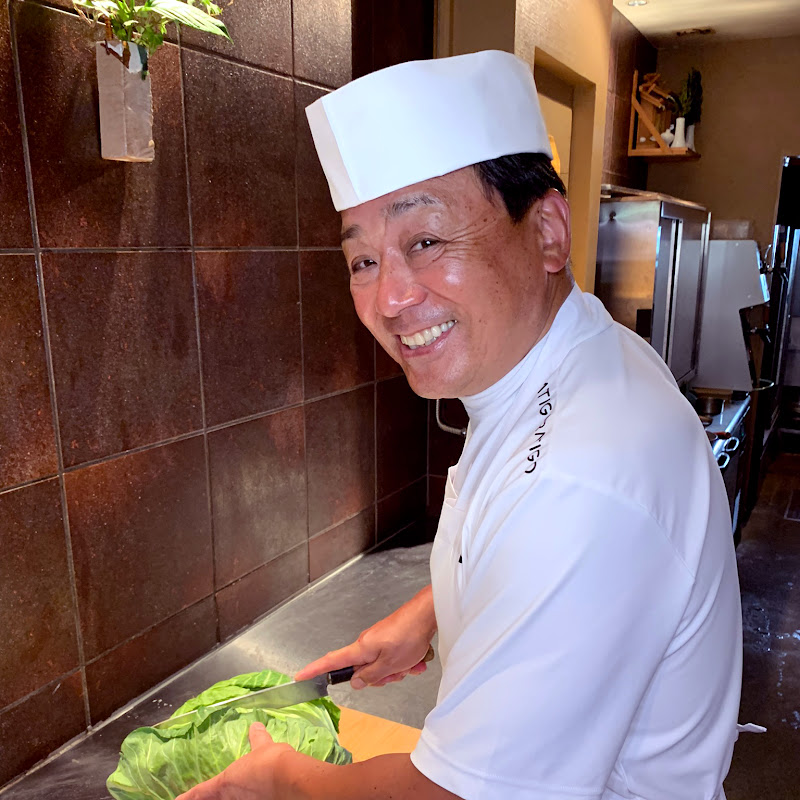
大将に聞いてみた!
2.1万人 subscribers ・ 日本料理・和食
* Opens YouTube channel
* Subscriber count is as of article creation and may differ from the current number.
