

Recipe
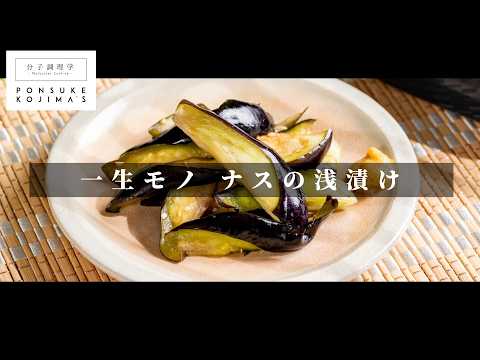
【Life-Changing】Ready in 15 Minutes! Japanese Pickled Eggplant (Asazuke) | The Most Detailed Recipe Video | Salt 1 : Sugar 2 Ratio
Ingredients
- 3eggplants (approx. 300g)
- 2tsp salt
- 4tsp sugar
- 6shakes of Ajinomoto (MSG)
About "Japanese Pickled Eggplant (Asazuke)"
This quick Japanese pickled eggplant (asazuke) recipe uses a unique "double-pickling" method: cut eggplants into quarters lengthwise, slice diagonally, toss with salt, sugar, and MSG, let sit for 10 minutes, squeeze out excess moisture, let sit for another 5 minutes, and squeeze again. The golden ratio of 1 part salt to 2 parts sugar, combined with MSG, ensures a perfectly balanced flavor in no time. Because eggplants have a porous, sponge-like structure, squeezing them allows the seasonings to penetrate deeply, making them ready to eat in just 15 minutes. They keep in the refrigerator for 2 to 3 days and can be customized with chili oil, salted kelp (shio kombu), or white sesame seeds.
Introduction to こじまぽん助【分子調理学研究家】 →
Video Timestamps
Tips for Making "Japanese Pickled Eggplant (Asazuke)"
-
Prep
- Cut a shallow incision around the edge of the calyx (cap) and peel it off. Shave off the bottom tip diagonally like a pencil to maximize the edible portion.
-
Cutting
- Cut eggplants into quarters lengthwise, then slice diagonally into 3 to 4 pieces. This exposes more flesh than skin, allowing flavors to absorb quickly.
-
Prep
- No need to soak in water to remove bitterness. Soaking makes them absorb water and blocks seasonings, so toss immediately. Bitterness draws out naturally during pickling.
-
Seasoning
- The golden ratio is 2 tsp salt to 4 tsp sugar (1:2 ratio) plus 6 shakes of Ajinomoto. You must use this much seasoning for quick pickling, even if it looks powdery.
-
First Pickling
- Let sit for 10 minutes once the seasoned eggplants look glossy. Drain in a colander and gently squeeze with your hands to remove excess moisture (containing nasunin).
-
Second Pickling
- Return squeezed eggplants to the bowl and let sit for 5 minutes without extra seasoning. Pickling in a milder environment rounds out the saltiness for a mellow flavor.
-
Finishing
- Drain and gently squeeze again after 5 minutes. They may turn brownish over time due to nasunin bleeding into the moisture, but they are still perfectly safe to eat.
Ingredients for "Japanese Pickled Eggplant (Asazuke)"
4 items* Tap ingredient names to find on Amazon
How to Make "Japanese Pickled Eggplant (Asazuke)"
- 1
Cut a shallow incision around the calyx (cap) of the eggplant right at the edge, then peel it off. Slice off the very tip of the bottom diagonally.
- 2
Cut the eggplants in half lengthwise, then in half again to make quarters. Slice them diagonally into 3 to 4 pieces each.
- 3
Place the sliced eggplants in a bowl, add 2 tsp salt, 4 tsp sugar, and 6 shakes of Ajinomoto, then toss well to combine.
- 4
Once thoroughly tossed and the eggplants look glossy and start releasing moisture, let them sit for 10 minutes.
- 5
After 10 minutes, transfer to a colander and gently squeeze with your hands to remove excess moisture (do not squeeze too hard; just until you hear a slight squeak).
- 6
Return the squeezed eggplants to the bowl and let them sit for another 5 minutes without adding any extra seasonings.
- 7
After 5 minutes, transfer to the colander again, give them another gentle squeeze, and they are ready to serve.
Detailed Commentary on "Japanese Pickled Eggplant (Asazuke)"
* Content organized by topics from the video.
Life-Changing Pickled Eggplant in 15 Minutes
Hello, I'm Kojima Ponsuke. In this video, I share cooking tips based on molecular gastronomy to help you make incredibly delicious dishes without any special ingredients or techniques. Today's theme is a summer classic: Japanese pickled eggplant (asazuke). It's a wonderful side dish to keep in the fridge, but many people struggle to get the flavor just right when making it at home. Today, I'll share three key points to ensure perfect flavor every time. First is the way we cut the eggplant, designed specifically because flavor doesn't easily penetrate the skin. Second is 'don't skimp on seasonings,' where I'll teach you the golden ratio for quick pickling. Third is 'locking in the flavor with double-pickling.' I'll explain the science and techniques behind pickling eggplants beautifully, so please watch until the end!
How to Cut Eggplant to Expose the Flesh
First, let's look at our first point: how to cut the eggplant. We'll be using three eggplants today. Let's start by prepping the calyx (cap). This part is packed with nutrients, so we want to keep as much of it as possible. To do this, make a shallow cut right along the edge of the cap, run the knife all the way around, and peel it off. Fresh eggplants have sharp thorns, so be careful not to prick your fingers. Next, shave off the bottom tip diagonally, like sharpening a pencil, to maximize the edible portion. Now, for the main technique: since eggplant skin is tough for flavors to penetrate, we need to cut it in a way that exposes as much of the white flesh as possible. Cut the eggplant in half lengthwise, then in half again to make quarters. From there, slice diagonally into 3 to 4 pieces. Increasing the surface area of the flesh relative to the skin allows the seasonings to absorb quickly and efficiently.
Don't Skimp on Seasonings: The Golden Ratio
Our second point is 'don't skimp on seasonings.' Place the sliced eggplants in a bowl, and add 2 tsp of salt and 4 tsp of sugar. This 1:2 ratio of salt to sugar is our golden ratio from the Ajinomoto series, which also worked wonders in our previously featured bean sprout namul and pickled cucumbers. Next, we add Ajinomoto (MSG). The rule of thumb for the amount is 'weight of ingredients x 1/100 x 2 shakes.' Since we have about 300g of eggplant today, we'll use 6 shakes. When you mix them, it might look quite powdery, but you need this much seasoning to pickle them quickly. Also, there's no need to soak the eggplants in water to remove bitterness after cutting. The bitterness naturally draws out during the pickling process, and soaking them in water would cause them to absorb moisture, making it harder for the seasonings to penetrate. As you toss everything together, the eggplants will become glossy and start releasing moisture. This is the sign that the seasonings are starting to penetrate.
First Pickling and Squeezing Tips
Now, let's move on to our third point: 'locking in the flavor with double-pickling.' For the first stage of pickling, let the seasoned eggplants sit for 10 minutes. After 10 minutes, transfer them to a colander to drain. You'll see some brownish liquid at the bottom of the bowl. Rather than bitterness, this is actually 'nasunin,' a purple polyphenol pigment found in eggplants, which has dissolved into the water. Gently squeeze the eggplants in the colander with your hands. There's no need to wring them out aggressively; just squeeze gently until you hear a slight squeak to remove the excess moisture. By squeezing out the moisture thoroughly during this first step, the flavor won't get diluted during the second pickling stage, allowing the taste to lock in beautifully all the way to the center.
Second Pickling and Eggplant's Porous Structure
Return the squeezed eggplants to the bowl for the second stage of pickling. Some residual seasoning will still be in the bowl, so let them rest for 5 minutes without adding any extra seasonings. Pickling them in a slightly milder environment during this second stage rounds out the sharp saltiness, resulting in a mellow flavor. After 5 minutes, transfer them back to the colander and squeeze gently once more. Now, the pickling is complete! In our previously featured pickled cucumber recipe, we had to let them sit in the fridge overnight to absorb the flavor because cucumbers have firm fibers that cannot be squeezed. Eggplants, however, have a sponge-like 'porous structure.' Squeezing them expels moisture and allows them to draw the seasonings back in. Thanks to this, even with just 15 minutes of pickling time, the flavor penetrates deeply, making them delicious right away.
Color Changes and Flavor Variations
The finished pickled eggplant has a refined, mild flavor and is incredibly delicious on its own. It keeps in the refrigerator for 2 to 3 days, though it will turn brownish after a day or two. This is simply because nasunin, the purple pigment in eggplants, is water-soluble and bleeds into the moisture; it doesn't mean they have gone bad, so you can eat them without worry. Because this recipe is so simple, you can enjoy various flavor variations. If you want a bit of heat, drizzle some chili oil over them, or toss them with salted kelp (shio kombu) and white sesame seeds for extra umami. Once you master the basic flavor, it pairs beautifully with any variation. Today, we'll enjoy them simply with a touch of Japanese mustard (karashi). This recipe is perfect when you have leftover eggplants, as you can easily make it with just one or two eggplants without losing flavor consistency. Please give it a try!
About こじまぽん助【分子調理学研究家】

こじまぽん助【分子調理学研究家】
15.6万人 subscribers ・ 家庭料理
* Opens YouTube channel
* Subscriber count is as of article creation and may differ from the current number.
