

Recipe
Professional Yakitori Sauce: Secret Techniques Revealed by a Pro
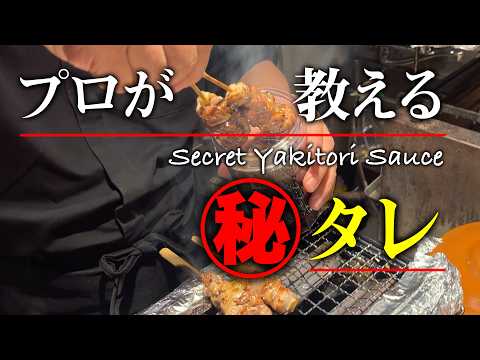
Ingredients
- 150ml Soy sauce
- 150ml Mirin
- 150ml Red wine
- 45g Brown sugar
- Rausukombu (kelp), to taste
About "Yakitori Sauce (Tare)"
A professional yakitori chef with 27 years of experience teaches you how to make authentic yakitori sauce (tare). This basic recipe combines soy sauce, mirin, and red wine in a 1:1:1 golden ratio, with sugar added for rich depth. Using red wine instead of sake is a professional secret technique; the tannins and other compounds create a profound, complex flavor. After simmering slowly and adding kombu for umami, it is complete. This versatile sauce can be used for various dishes, and by using it repeatedly, the chicken fat melts in, evolving it into your own unique aged sauce.
Introduction to 【野乃鳥】野網厚詞の鳥、まるごと。 →
Tips for Making "Yakitori Sauce (Tare)"
-
Golden Ratio
- Combine soy sauce, mirin, and red wine in a 1:1:1 ratio (e.g., 150 ml each).
-
Sugar Selection
- Aim for 1/10th of the total weight of the three liquid ingredients. Use brown sugar for depth, white sugar for a lighter taste, and starch syrup or honey for a thicker glaze.
-
Pro Secret
- Using red wine (cheap or leftover is fine) instead of sake adds a rich depth derived from tannins.
-
Heat Control
- Do not boil too vigorously over high heat due to the alcohol content, as there is a risk of ignition.
-
Simmering Time
- Simmer on low heat for 2 to 10 minutes. If you want a thicker glaze, aim to reduce the liquid by about 10%.
-
Storage & Spoilage
- Store in the fridge. It rarely spoils since it contains no water, but dipping undercooked meat can cause spoilage. If bubbles appear (indicating spoilage), reheat to pasteurize and reuse.
-
Aging the Sauce
- By repeatedly dipping yakitori, chicken fat and umami melt into the sauce, evolving it into a unique aged sauce over time.
Ingredients for "Yakitori Sauce (Tare)"
5 items* Tap ingredient names to find on Amazon
How to Make "Yakitori Sauce (Tare)"
- 1
Measure and heat the seasonings
Measure 150 ml of soy sauce, 150 ml of mirin, and 150 ml of red wine using a measuring cup. Pour them all into a small saucepan and place over heat. Since the mixture contains alcohol, be careful not to let it boil too vigorously over high heat.
- 2
Add sugar and stir
Once it comes to a boil, add 45 g of measured brown sugar and stir well. Mix until the sugar is completely dissolved.
- 3
Simmer on low heat
When it starts to boil and bubble up, reduce the heat to low. Simmer for 2 to 10 minutes while maintaining a temperature above 100°C (212°F). If you want a thicker glaze, simmer slowly to reduce the liquid by about 10%.
- 4
Add kombu and let cool
Add the Rausu kombu to the simmered sauce. Let the sauce cool completely with the kombu inside. Remove the kombu at your preferred time, anywhere from overnight to one week.
- 5
Transfer to a container and store
Transfer the completely cooled sauce to a storage container (a 550 ml wide-mouth glass bottle is recommended) and store it in the refrigerator. Seal the lid tightly.
Food Science
The rich umami from the glutamic acid in soy sauce and kombu, combined with the sweetness of mirin and brown sugar, and the acidity and astringency of red wine, creates a complex and well-balanced profile of the five basic tastes. Furthermore, simmering evaporates water to concentrate the ingredients, promoting the Maillard reaction and caramelization between sugars and amino acids, which yields a deeply rich flavor and a thick glaze.
Detailed Commentary on "Yakitori Sauce (Tare)"
* Content organized by topics from the video.
A Secret Sauce Revealed? Authentic Homemade Tare
Mr. Noami, who has run the yakitori restaurant 'Nonotory' in Osaka and Tokyo for 27 years, received enthusiastic requests from viewers wanting to know his secret sauce recipe after his previous video hit 57,000 views. However, the restaurant's secret sauce is a top-secret recipe developed over years of research, unknown even to his employees. Therefore, he has specially decided to share a recipe for an 'easy-to-make at home, yet professional-grade' yakitori sauce instead. Rather than just memorizing the ingredient amounts, understanding the 'theory' behind the ratios will help you make delicious sauce at home without fail.
The Foolproof Golden Ratio and Choosing Sugar
The basic golden ratio for yakitori sauce is combining soy sauce, mirin, and sake in equal parts of 1:1:1. By keeping to this ratio, anyone can create a well-balanced sauce base without fail. To add depth and sweetness, sugar is introduced, and its golden ratio is one-tenth of the total weight of the three liquid ingredients. For example, if you use 150 ml each of soy sauce, mirin, and sake (totaling 450 g), you will need 45 g of sugar. In this recipe, we use natural brown sugar to easily add rich depth, but you can customize it to your liking: use white sugar for a lighter finish, or starch syrup (mizuame) or honey for a thicker glaze.
Pro Secret: Swap Sake for Red Wine
The highlight of this recipe and a professional secret technique is using red wine instead of the standard sake. Cheap wine or leftover wine works perfectly fine. The tannins and other compounds in red wine add depth to the sauce, creating a complex flavor reminiscent of a Western-style sauce rather than a traditional sake-based glaze. This harmonizes beautifully with the fat and umami of the chicken, elevating homemade yakitori to a restaurant-quality level. This unexpected combination is the secret key to deliciousness taught by the pro.
Heat Control: Mixing and Simmering the Sauce
Prepare a measuring cup and a small saucepan. First, measure 150 ml of soy sauce, 150 ml of mirin, and 150 ml of red wine, pour them into the pot together, and heat. A crucial tip here is not to let it boil too vigorously over high heat. Because it contains alcohol, excessive heat can cause the alcohol vapors to ignite around the rim of the pot, which is dangerous at home. Once it comes to a boil, add the measured 45 g of brown sugar and stir well. When it bubbles up and is about to overflow, reduce the heat to low and simmer for 2 to 10 minutes while keeping the temperature above 100°C (212°F). If you want a thicker glaze, simmer slowly to reduce the liquid by about 10%.
Adding Kombu Umami & Recommended Containers
To layer even more umami, add Rausu kombu to the simmered sauce. Let the sauce cool completely with the kombu inside, then transfer it to a storage container. The recommended container is a 550 ml wide-mouth glass bottle, easily found at 100-yen shops like Seria. Pouring the sauce into this container makes it the perfect size for dipping yakitori skewers directly into it, allowing you to easily recreate the atmosphere of a professional yakitori shop's 'sauce jar' at home.
Storage Tips and How to Handle Spoiled Sauce
Once the finished sauce has cooled, seal it tightly and store it in the refrigerator. Since this sauce contains absolutely no water, it basically does not spoil. However, be careful when dipping yakitori: if you dip undercooked meat, the meat's moisture will mix into the sauce, making it spoil more easily. As a guide, check its condition about once a month. If it starts to go bad, it will ferment and bubbles will appear on the surface. In that case, return the sauce to a pot, reheat it (heat pasteurization), let it cool, and return it to the container to use safely again. Also, remove the kombu at your preferred time, anywhere from overnight to one week.
A Versatile Sauce: Creative Uses & Aging
This special sauce is a versatile glaze that can be used for various dishes beyond yakitori. For example, combining the sauce with citrus fruits like yuzu or sudachi to marinate and grill fish like mackerel or Pacific saury makes an exquisite Yuan-yaki. It can also be used directly as a sukiyaki sauce. Furthermore, the greatest charm of this sauce is the joy of 'growing' it. As you repeatedly grill yakitori at home and dip them into the sauce, the chicken fat and umami melt into it. Over time, the sauce matures, evolving into your very own unique aged sauce.
Tasting: Tamba Kurodori Chicken Thigh Skewers
To test the flavor of the freshly made sauce, Tamba Kurodori chicken thigh skewers are grilled using a home gas grill called 'Aburiya'. The professional technique of placing aluminum foil in the foreground to prevent the skewers from burning is also showcased. Once the meat is cooked through, it is dunked generously into the sauce kept in the Seria container. By finishing with a triple-dip process (repeating this three times), the light yet deep flavor of the sauce clings perfectly to the meat. Upon tasting, the juicy fat of the thigh meat and the red wine-infused sauce harmonize flawlessly, creating an exquisite flavor. After just one use, delicious chicken fat floats on the surface of the sauce, allowing you to visually experience the beginning of the 'sauce-growing' process.
About 【野乃鳥】野網厚詞の鳥、まるごと。
【野乃鳥】野網厚詞の鳥、まるごと。
7,210人 subscribers ・ 焼き鳥
* Opens YouTube channel
* Subscriber count is as of article creation and may differ from the current number.
