

Recipe
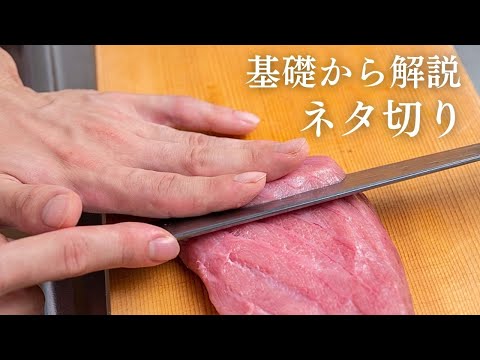
Sushi Slicing Basics: Master the Techniques for 3 Types of Fish
Ingredients
- Tunablock (saku), to taste
- Yellowtailblock (saku), to taste
- Splendidalfonsino block (saku), parboiled, to taste
- Sushirice (shari), to taste
- Tezu(hand-dipping vinegar water, 6:4 water to vinegar ratio), to taste
About "Sushi Slicing Techniques (Tuna, Yellowtail, and Splendid Alfonsino)"
A professional sushi chef explains the essential slicing techniques (neta-giri) using three types of fish. Learn tailored methods for each fish's characteristics, including reading the grain of tuna, skinning and handling the dark meat of yellowtail, and slicing parboiled splendid alfonsino. From the correct knife grip and creating a beveled edge (koba) to waste-reducing techniques like decorative scoring (kakushi-bocho) and the final shaping (nigiri), you will master the entire process of crafting exquisite sushi.
Introduction to 蒼の鮨 sushi-chef ao →
Tips for Making "Sushi Slicing Techniques (Tuna, Yellowtail, and Splendid Alfonsino)"
-
Prep
- Stabilize the knife by placing your index finger on the spine, wrapping three fingers around the handle, and resting your thumb near the heel.
-
Prep
- Check the direction of the grain and slice perpendicular to it to ensure a tender texture.
-
Slicing Technique
- Positioning the fish block diagonally and pulling the knife straight back allows you to slice without bending your wrist.
-
Slicing Technique
- Create a beveled edge (koba) by standing the knife upright just before finishing the cut.
-
Sizing
- The ideal slice is 8.5–9 cm long and 4–5 cm wide, extending slightly beyond four fingers on your palm.
-
Advanced Slicing
- Scoring makes thick slices easier to shape, while butterflying scraps reduces waste and maintains a voluminous look.
-
Prep & Processing
- Parboil the splendid alfonsino before use, and remove the tough tail and fin muscle sections.
Ingredients for "Sushi Slicing Techniques (Tuna, Yellowtail, and Splendid Alfonsino)"
5 items* Tap ingredient names to find on Amazon
- Tunablock (saku), to taste
- Yellowtailblock (saku), to taste
- Splendidalfonsino block (saku), parboiled, to taste
- Sushirice (shari), to taste
- Tezu(hand-dipping vinegar water, 6:4 water to vinegar ratio), to taste
How to Make "Sushi Slicing Techniques (Tuna, Yellowtail, and Splendid Alfonsino)"
- 1
Basic Knife Grip
Place your index finger on the spine of the knife, and lightly wrap your middle, ring, and pinky fingers around the handle. Rest your thumb gently near the heel of the blade to stabilize the entire knife. This grip allows you to slice smoothly by pulling without applying unnecessary force, resulting in a beautiful, clean cut.
- 2
Tuna: Checking the Grain
Examine the side of the tuna block to identify the diagonal direction of the connective tissue (grain). Slicing perpendicular to this grain ensures a tender texture that is easy to chew. Slicing parallel to the grain results in a tough texture, so reading the grain is crucial.
- 3
Tuna: Diagonal Slicing Prep and Trim
Position the fish block diagonally and pull the knife straight back toward you. Adjust the block so the front is lower and the back is slightly elevated for a smoother slice. First, trim off the uneven end piece (known as 'sute-saku') to square up the block; this piece can be used for taste-testing.
- 4
Tuna: Slicing with a Beveled Edge
For the actual sushi slices, pull the knife parallel to the board. Just 1 cm before finishing the cut, stand the knife upright to create a thick, defined edge called 'koba' (beveled edge). This edge gives the sushi a beautiful, three-dimensional shape when pressed, though slicing without a 'koba' is also common nowadays.
- 5
Tuna: Sizing and Scoring
The ideal size for a sushi slice is 8.5 to 9 cm long and 4 to 5 cm wide. It should slightly overflow across four fingers when placed on your palm, making it easy to shape. Gently hold the fish with your left hand, using your fingertips to feel and maintain a uniform thickness. Since thicker slices are harder to shape, make shallow decorative scores (kakushi-bocho) to make them more pliable.
- 6
Tuna: Utilizing Scraps and Shaping
Do not waste the remaining end pieces of the block. Slice them slightly thicker, make deep scores, and butterfly them open before shaping. This maintains a voluminous appearance while keeping the weight consistent. To shape, prepare hand-dipping vinegar water (tezu) with a 6:4 water-to-vinegar ratio. Place the longest part of the slice at the base of your left fingers and gently wrap the rice with it from the sides.
- 7
Yellowtail: Skinning and Dark Meat Prep
Yellowtail blocks have a different shape than tuna, requiring a different approach. First, carefully slide the knife to skin the fish while visually monitoring your progress. After meticulously removing any bones, decide how to handle the dark meat (chiai). It is often removed because it discolors quickly, but some sushi restaurants prefer to keep it to preserve the characteristic rich flavor of yellowtail.
- 8
Yellowtail: Slicing and Shaping
Trim off the less flavorful end piece and make a slight diagonal test cut. Hold the fish with your left hand, slide the knife to slice, and finish by standing the knife upright to create a beveled edge. If the yellowtail is difficult to shape, score it gently. Since yellowtail is often served marinated (zuke), adapt your shaping technique flexibly.
- 9
Splendid Alfonsino: Parboiled Prep
Use a pre-parboiled splendid alfonsino block. Remove the tough tail and fin muscle (engawa) sections. These trimmed parts can be repurposed for chirashi sushi or sushi rolls. As a thinner fish, splendid alfonsino requires different handling than tuna or yellowtail.
- 10
Splendid Alfonsino: Slicing and Shaping
For thin fish like splendid alfonsino, insert the knife diagonally at a distance of about 2 to 3 fingers wide. Estimate the cut so the longest side measures 9 cm, slide the knife through, and finish with a beveled edge for a uniform look. To shape, place the slice at the base of your left hand and wrap it around the rice in a gentle, rolling motion.
Food Science
The combination of the acidity, sweetness, and saltiness of the sushi rice (shari) with the rich umami of fish like tuna and yellowtail creates an excellent balance of the five basic tastes. Additionally, the acid (pH) in the sushi rice and hand-dipping vinegar water (tezu) suppresses the fishy odor, leaving a clean, refreshing aftertaste. Furthermore, parboiling (yubiki) the splendid alfonsino causes the proteins in the skin to coagulate and melts the underlying fat, significantly enhancing both texture and flavor.
Detailed Commentary on "Sushi Slicing Techniques (Tuna, Yellowtail, and Splendid Alfonsino)"
* Content organized by topics from the video.
Basic Knife Grip and Stance
Before we begin slicing, let's cover the fundamental knife grip. Place your index finger on the spine of the knife, lightly wrap your middle, ring, and pinky fingers around the handle, and gently rest your thumb near the heel of the blade to stabilize the entire knife. This grip is the foundation of all sushi slicing. Holding the knife correctly is essential for making clean, effortless pulling cuts. Instead of bending your wrist awkwardly or forcing the blade down, use the weight of the knife and the full length of the blade to glide smoothly. This stance is the first step to achieving a beautiful, clean cut.
Tuna Grain and Why We Cut Diagonally
Today, we will slice three types of fish: tuna, yellowtail, and splendid alfonsino. First, let's prepare the tuna block. The most critical step when slicing tuna is checking the direction of the connective tissue (grain). Looking at the side of the block, you can see the grain running diagonally. Slicing perpendicular to these lines cuts through the tough fibers, ensuring a tender, melt-in-your-mouth texture. Slicing parallel to the grain makes the fish chewy and unpleasant. We also slice the fish diagonally to maximize its surface area. If the block is narrow, cutting straight down results in tiny slices. Angling the knife allows you to get wider, beautifully proportioned slices that are perfect for shaping.
Slicing Tuna and the Beveled Edge Technique
Now, let's slice the tuna. Angling the knife can bend your wrist and make slicing difficult, so it is better to position the fish block diagonally and pull the knife straight back toward you. Elevating the back of the block slightly higher than the front also helps the knife glide smoothly. Start by trimming off the uneven end piece, known as 'sute-saku,' to square up the block. This piece is not served to guests but is kept for taste-testing. Next, proceed to the main slices. Pull the knife parallel to the board, and just 1 cm before finishing the cut, stand the knife upright to create a thick, defined edge called 'koba' (beveled edge). This edge gives the sushi a beautiful, three-dimensional shape, though slicing without a koba has become more common recently.
Ideal Sushi Slice Size and Scoring
Let's discuss the ideal size for a sushi slice. Aim for a length of 8.5 to 9 cm and a width of 4 to 5 cm. When placed on your palm, it should extend slightly beyond your four fingers; this is the easiest size to shape. Gently hold the fish with your left hand, using your fingertips to feel and maintain a uniform thickness. For fish like tuna, which taste better when sliced thick, we apply shallow decorative scores (kakushi-bocho) to make the thick slices easier to shape. We also make sure not to waste the uneven end pieces. By slicing them slightly thicker, scoring them deeply, and butterflying them open, we can maintain a voluminous look while keeping the weight consistent. While rarely done in high-end restaurants, this is a highly effective technique for reducing food waste.
Shaping Tuna and Skinning Yellowtail
Once sliced, we move on to shaping. Prepare tezu (hand-dipping vinegar water) with a 6:4 water-to-vinegar ratio. Place the longest part of the slice at the base of your left fingers, and gently wrap the sushi rice (shari) from the sides. Slices with a beveled edge (koba) and those without will look slightly different once shaped. Next, we will slice the yellowtail (buri). Yellowtail blocks have a different shape than tuna, requiring a different slicing technique. First, we skin the fish. Carefully slide the knife to remove the skin while keeping a close eye on your progress. After meticulously removing any bones, decide how to handle the dark meat (chiai). It is often removed because it discolors quickly, but some sushi shops prefer to keep it to preserve the characteristic rich flavor of yellowtail, so you can adjust this to your preference.
Slicing Yellowtail, Alfonsino, and Shaping
Let's slice the yellowtail. Trim off the less flavorful end piece, make a slight diagonal test cut, and slide the knife while holding the fish with your left hand, finishing with a beveled edge. If the yellowtail is difficult to shape, score it gently; it is often served marinated (zuke). Next is the parboiled splendid alfonsino (kinmedai). For thin fish like this, remove the tough tail and fin muscle (engawa) sections (which can be repurposed for chirashi or rolls), and insert the knife diagonally starting 2 to 3 fingers away. Estimate the cut so the longest side is 9 cm, slide the knife through, and finish with a beveled edge for a uniform look. Shape the alfonsino similarly by placing it at the base of your left hand and wrapping it around the rice in a gentle, rolling motion. Tailoring your slicing technique to each fish's unique characteristics is the key to crafting exquisite sushi.
About 蒼の鮨 sushi-chef ao

蒼の鮨 sushi-chef ao
3.2万人 subscribers ・ 和食/寿司
* Opens YouTube channel
* Subscriber count is as of article creation and may differ from the current number.
