

Recipe
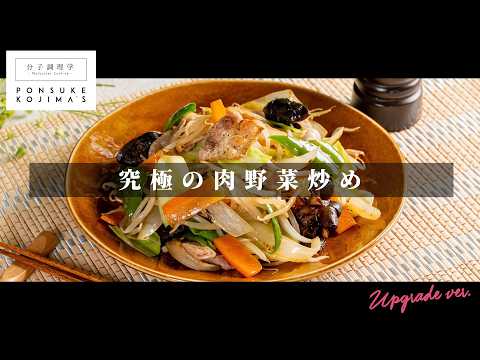
Ultimate Stir-Fried Vegetables: Restaurant Quality for 4 [Most Detailed Recipe Video]
Ingredients
- 300gpork belly (cut into 4cm pieces)
- 1/2onion (cut diagonally into wedges)
- 2green bell peppers (cut into 3cm pieces)
- 1bag bean sprouts
- Approx.2 cabbage leaves (outer leaves; core cut diagonally into 3-4mm slices, leaves cut into 3cm pieces)
- 1/2carrot (cut into 2mm rectangular slices)
- 5gdried wood ear mushrooms (rehydrated in water or lukewarm water and cut into bite-sized pieces)
- 1clove garlic (minced)
- Vegetableoil to taste (1 tbsp for each step)
- 2tbsp water
- 2gsalt
- Pepperto taste
- 1tbsp Chinese soup stock powder
- 1tbsp soy sauce
- Blackpepper to taste (for finishing)
About "Ultimate Stir-Fried Vegetables"
Culinary researcher Kojima Ponsuke introduces the ultimate stir-fried vegetables for 4, guaranteed to achieve restaurant-quality results even with home stove heat. The core lies in three key points: 'stir-fry the vegetables first,' 'sear the meat,' and 'combine at the end.' Vegetables are stir-fried individually to about 60% doneness and set aside, while the pork belly is cooked in a stacked layer to keep it crispy on the outside and juicy on the inside. Finally, it is quickly finished with garlic, Chinese soup stock powder, and soy sauce, then seasoned with black pepper to tighten the flavors.
Introduction to こじまぽん助【分子調理学研究家】 →
Video Timestamps
Tips for Making "Ultimate Stir-Fried Vegetables"
-
Cooking Order
- Sauté vegetables separately by type first instead of cooking them with the meat to prevent excess moisture and keep them crisp.
-
Vegetable Doneness
- Remove vegetables when 60-70% cooked and set aside. They will reach perfect doneness when combined at the end.
-
Cabbage & Sprouts
- Steam-fry cabbage and bean sprouts by adding 2 tbsp of water after coating with oil to heat a large batch quickly and keep them crisp.
-
Why Sauté Carrots
- Sauté carrots separately at the end because their fat-soluble carotene can bleed color into other ingredients, affecting presentation.
-
Searing Meat
- Sear pork belly while stacked over high heat to brown one side deeply. Separating and cooking both sides dries out the meat.
-
Removing Excess Fat
- Wipe away 80-90% of the excess fat released from the pork belly with a paper towel to prevent the dish from becoming greasy.
-
Garlic Timing
- Add minced garlic after flipping the pork belly and reducing to medium heat to infuse the dish with a punchy aroma.
-
Finishing
- Stir-fry for only 30 seconds after returning the vegetables. Since they are already 60% cooked, this prevents excess moisture.
-
Seasoning
- Finish with a generous amount of black pepper after plating to sharpen the flavors and balance the sweetness and richness.
Ingredients for "Ultimate Stir-Fried Vegetables"
15 items* Tap ingredient names to find on Amazon
- 300gpork belly (cut into 4cm pieces)
- 1/2onion (cut diagonally into wedges)
- 2green bell peppers (cut into 3cm pieces)
- 1bag bean sprouts
- Approx.2 cabbage leaves (outer leaves; core cut diagonally into 3-4mm slices, leaves cut into 3cm pieces)
- 1/2carrot (cut into 2mm rectangular slices)
- 5gdried wood ear mushrooms (rehydrated in water or lukewarm water and cut into bite-sized pieces)
- 1clove garlic (minced)
- Vegetableoil to taste (1 tbsp for each step)
- 2tbsp water
- 2gsalt
- Pepperto taste
- 1tbsp Chinese soup stock powder
- 1tbsp soy sauce
- Blackpepper to taste (for finishing)
How to Make "Ultimate Stir-Fried Vegetables"
- 1
[Prep] Cut the pork belly into 4cm pieces. Cut the onion diagonally into wedges and the green bell peppers into 3cm pieces. Slice the cabbage core diagonally into 3-4mm pieces, and cut the leaves into 3cm pieces. Cut the carrot into 2mm rectangular slices. Rehydrate the wood ear mushrooms in water or lukewarm water and cut into bite-sized pieces. Mince the garlic.
- 2
[Sauté Onion & Peppers] Heat 1 tbsp of vegetable oil in a frying pan over medium heat, then add the onion. Sauté without stirring constantly, imagining searing them on a flat-top grill. Once lightly browned, add the green bell peppers. Coat everything with oil and cook until about 60-70% done, then transfer to a tray.
- 3
[Sauté Cabbage & Bean Sprouts] Add another 1 tbsp of vegetable oil to the pan over medium heat and sauté the cabbage cores. Once coated in oil, add the bean sprouts and cabbage leaves, pour in 2 tbsp of water, and steam-fry. Once the water has mostly evaporated, the cabbage turns vibrant green, and is about 60% cooked, transfer to the tray.
- 4
[Sauté Carrot] Heat 1 tbsp of vegetable oil in the pan over medium heat and add the carrot. Sauté slowly without moving them too much. Once one side is lightly browned and about 60% cooked, transfer to the tray.
- 5
[Sear Pork Belly] Heat the pan over high heat. Without adding oil, place the pork belly in the pan while still stacked. Sprinkle with 2g of salt and pepper to taste, and sear without moving until one side is deeply browned. Flip the meat over, and wipe away 80-90% of the excess fat released from the pork with a paper towel.
- 6
[Add Garlic] After flipping the meat, reduce the heat to medium and add the minced garlic. Sauté until fragrant.
- 7
[Finish] Once the garlic is fragrant, add the rehydrated wood ear mushrooms, then return all the set-aside vegetables from the tray back into the pan all at once. Add 1 tbsp of Chinese soup stock powder and 1 tbsp of soy sauce, and stir-fry everything together for about 30 seconds.
- 8
[Plate] Transfer to a plate and finish with a generous sprinkle of black pepper.
Detailed Commentary on "Ultimate Stir-Fried Vegetables"
* Content organized by topics from the video.
3 Secrets to Professional Taste at Home
Culinary researcher Kojima Ponsuke introduces the recipe for 'Ultimate Stir-Fried Vegetables,' guaranteed to achieve restaurant-quality results even with home stove heat and a standard frying pan. While stir-frying vegetables seems simple, making a large batch for four at home often results in soggy, watery vegetables, making it a surprisingly difficult dish. To solve this, he presents three key points derived from molecular gastronomy: 'stir-fry the vegetables first,' 'sear the meat,' and 'combine at the end.' Without using any special techniques or rare ingredients, anyone can make incredibly delicious stir-fried vegetables just by understanding the steps and the science behind them.
Sautéing Onion and Peppers Like a Teppanyaki
As the first step, we start by sautéing the onion and green bell peppers. Add 1 tbsp of vegetable oil to the pan, heat over medium, and immediately add 1/2 sliced onion. The key here is not to stir constantly, but to imagine 'searing' them like on a teppanyaki grill. Sautéing the vegetables before the meat is crucial; trying to cook meat and vegetables together in a standard 28cm home frying pan often overcooks the meat, making it tough, or releases excess moisture from the vegetables, making them soggy. Once the onion is lightly browned, add 2 green bell peppers, coat them in oil, and transfer them to a tray when they are about 60-70% cooked.
Steam-Frying Cabbage and Bean Sprouts
Next, we cook the cabbage core, bean sprouts, and cabbage leaves. Add another 1 tbsp of vegetable oil to the pan over medium heat, and first sauté the slow-cooking cabbage cores. Once coated in oil, add 1 bag of bean sprouts and the cabbage leaves. To cook them rapidly, pour in 2 tbsp of water. This water turns into steam, instantly transferring heat to the large volume of vegetables and cooking them while preserving their crisp texture. The cabbage turns a vibrant green because the heat breaks down the cell walls, changing how light passes through them. Once the moisture has mostly evaporated and the cabbage is bright green, transfer them to the tray at about 60% doneness.
The Scientific Reason to Sauté Carrots Last
The final vegetable to cook is the carrot. Add 1 tbsp of vegetable oil to the pan and sauté 1/2 carrot over medium heat. Sautéing carrots separately from other vegetables has a clear scientific reason. The orange pigment in carrots, carotene, is fat-soluble (dissolves easily in oil). If sautéed with other vegetables, the color bleeds into other ingredients through the oil and moisture, ruining the final presentation. Sautéing the carrots slowly without moving them maximizes their natural sweetness. Once one side has a beautiful sear, transfer the carrots to the tray as well.
The Stacked Searing Technique for Pork
Now, we move on to cooking the meat. Heat the pan over high heat; do not add oil, as the pork belly will release a large amount of fat. Take 300g of pork belly and place it in the pan while still stacked. This 'stacked searing' is the most crucial point. If you separate thin slices of meat and cook both sides individually, they lose moisture and become dry. However, by searing them stacked, only the side in contact with the pan gets crispy and fragrant, while the inside remains juicy and tender. Immediately after adding the meat, sprinkle with 2g of salt and pepper to taste, and develop a deep sear (savory aroma from the Maillard reaction) on one side. Afterward, wipe away 80-90% of the excess fat with a paper towel to prevent sogginess.
Finishing Quickly with Garlic and Seasonings
Once the meat is seared, reduce the heat to medium and add 1 minced garlic clove. Leaving the garlic slightly undercooked adds a punchy flavor to the entire dish. Once the garlic is fragrant, add 5g of rehydrated wood ear mushrooms, and return all the set-aside vegetables to the pan at once. From here, speed is key. Toss everything together quickly, then add 1 tbsp of Chinese soup stock powder and 1 tbsp of soy sauce. Since the vegetables are already 60% cooked, you only need to coat them with the seasonings, allowing you to finish the dish with a perfect crisp texture and savory meat without releasing excess moisture.
Finishing with Black Pepper and Final Advice
Plate the finished stir-fry and top with a generous amount of black pepper. Because stir-fried vegetables have natural sweetness and rich oil, the flavor can easily become muddy. Adding a sharp spice like black pepper at the end tightens the overall taste, instantly elevating it to a professional level. Kojima concludes the video by passionately sharing, 'The method of cooking each ingredient to its optimal doneness and combining them at the end can be applied not just to stir-fries, but to various other dishes. Just by mastering this logic, the level of your home cooking will improve dramatically.'
About こじまぽん助【分子調理学研究家】
こじまぽん助【分子調理学研究家】
15.6万人 subscribers ・ 家庭料理
* Opens YouTube channel
* Subscriber count is as of article creation and may differ from the current number.
