

Recipe
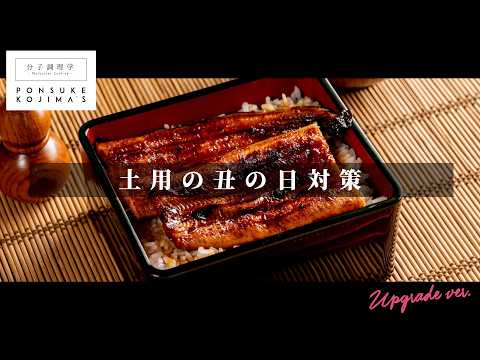
Don't Rinse! Sauce is for Rice! The Correct Way to Reheat Unagi (Japanese Eel vs. Rostrata)
Ingredients
- Unagikabayaki (frozen vacuum pack recommended) 1 whole eel
- Unagisauce (included packet) 1 packet
- Cookedrice approx. 1 rice-cooker cup (1 go)
About "Boil-in-the-Bag Reheated Unagi Kabayaki (Unaju)"
This video explains how to reheat store-bought unagi kabayaki to perfection at home. It focuses on three key points: choosing the right packaging, the scientific reason why boiling in the bag is best, the correct heating time, and how to use the sauce. From a molecular gastronomy perspective, it introduces how to make the eel plump and tender by gelatinizing its collagen. Finally, it shows how to present the dish in a traditional lacquer box (ojubako) for an authentic unaju experience.
Introduction to こじまぽん助【分子調理学研究家】 →
Video Timestamps
Tips for Making "Boil-in-the-Bag Reheated Unagi Kabayaki (Unaju)"
-
Selecting Eel
- Choose 'frozen vacuum packs' at the supermarket. They are flash-frozen right after being grilled at the factory, preserving the aroma and umami best. Refrigerated trays coated in sauce are not recommended as their flavor degrades due to heat treatments.
-
Selecting Eel
- Understand the difference between Japanese eel and the Rostrata species. Choose Japanese eel if you prefer a fluffy, tender Kanto-style texture, and Rostrata if you want a firm, meaty bite.
-
Prep
- There is no need to rinse the sauce off frozen vacuum-packed unagi. The rinsing hack is only meant to remove excess sauce from refrigerated trays and is unnecessary for frozen vacuum packs.
-
Heating Method
- Boiling in the bag is superior to using a microwave or toaster oven. Heating it evenly with the sauce (moisture) inside the pack allows the abundant collagen to gelatinize, creating a melt-in-your-mouth texture.
-
Time & Heat
- Bring water to a boil in a large pot, submerge the vacuum pack, and boil for exactly 5 minutes from the moment it returns to a boil. Avoid overcooking (e.g., 15+ minutes) as umami and fats will leach into the bag, drying out the meat. Adjust to 7–8 minutes for thicker varieties like Rostrata.
-
Seasoning
- The included sauce is meant for the rice, not the eel. The unagi itself is already well-seasoned from grilling. Pouring sauce over the eel overlaps the flavors, muddying its natural deliciousness.
-
Plating
- Spread rice in a lacquer box, drizzle the sauce evenly, place the unagi on top, and cover with a lid to steam. This fills the box with a savory aroma that wafts out when opened. It also practically keeps the meal warm.
Ingredients for "Boil-in-the-Bag Reheated Unagi Kabayaki (Unaju)"
3 items* Tap ingredient names to find on Amazon
How to Make "Boil-in-the-Bag Reheated Unagi Kabayaki (Unaju)"
- 1
Bring a generous amount of water to a boil in a large pot.
- 2
Place the unagi kabayaki, still in its vacuum pack, into the boiling water.
- 3
Once the water returns to a boil, set a timer for 5 minutes and heat (adjust to 7–8 minutes for thicker varieties like Anguilla rostrata).
- 4
Once heated, remove the pack from the water, open it, and take out the unagi.
- 5
Spread the cooked rice evenly in a lacquer box (or bowl) and drizzle the included sauce evenly over the rice.
- 6
Place the reheated unagi kabayaki on top of the sauced rice.
- 7
Cover with the lid to let it steam slightly before serving.
Detailed Commentary on "Boil-in-the-Bag Reheated Unagi Kabayaki (Unaju)"
* Content organized by topics from the video.
3 Keys to Dramatically Improve Your Unagi
Today's theme is how to reheat unagi, a luxury ingredient. Since we don't get to eat it often, we want to enjoy it in the most delicious way possible at home. From a molecular gastronomy perspective, we will share a definitive technique that guarantees success. There are three main points. First is 'how to choose your unagi.' Supermarkets sell unagi in several packaging styles, and your choice drastically affects the taste. Second is 'boiling it in a large pot for 5 minutes.' We will scientifically explain why boiling in the bag is superior to using a microwave or toaster oven. Third is the surprising fact that 'the sauce goes on the rice.' We will explain the correct way to use the small included sauce packet and the reasoning behind it.
Which Supermarket Unagi Packaging to Choose
Supermarket unagi is generally sold in three styles: 1) frozen vacuum packs, 2) refrigerated trays coated in glossy sauce, and 3) refrigerated vacuum packs. Among these, 'frozen vacuum packs' are by far the best choice. This is because they are flash-frozen immediately after being grilled at the factory, locking in their aroma and umami. Conversely, the least recommended is the refrigerated tray with the glossy sauce. This sauce is applied afterward just for appearance, and the flavor degrades due to the heat treatments required for refrigerated shelf life. You might have heard of the hack to 'rinse off the sauce before reheating,' but that is only to remove excess sauce from refrigerated trays. For frozen vacuum packs, there is absolutely no need to rinse them.
Japanese Eel vs. American Eel (Rostrata)
Understanding the origins and species of eel helps you choose according to your preference. While domestic Japanese eel and imported Chinese eel differ greatly in price, both can be delicious if they are the same species: 'Nihon Unagi' (Japanese eel, Anguilla japonica). A more significant difference lies in the species itself. Compared to the standard Japanese eel, supermarkets often sell a cheaper, larger species called 'Rostrata' (American eel, Anguilla rostrata). Rostrata eels are thick and plump, characterized by a very high collagen content. Consequently, they have thicker skin that is harder to cut with chopsticks, offering a firmer texture. If you prefer the fluffy, tender Kanto-style unaju, Japanese eel is your best bet. On the other hand, if you prefer a firm, meaty texture like the style popular in Kyushu, the Rostrata species is highly recommended. It is important to choose based on these characteristics.
Why Boiling in the Bag Beats Other Methods
While some suggest using a toaster oven, fish broiler, or microwave to reheat unagi, molecular gastronomy proves that 'boiling in the bag' (湯煎) is the most logical method. The secret lies in the abundant collagen found in eel. Collagen is naturally tough and hard to eat, but when heated in a moist environment at a specific temperature over time, it transforms into soft, gelatinous gelatin. If you grill or toast it immediately, the lack of moisture prevents the collagen from turning into gelatin, leaving the skin rubbery and tough. Boiling it in its vacuum pack heats the entire eel evenly along with the sauce (moisture) inside. This allows the collagen to fully gelatinize, resulting in a melt-in-your-mouth tenderness. If you want to add a smoky aroma, the best way is to lightly sear the skin side after boiling.
The Science Behind the 5-Minute Golden Rule
A heating time of exactly '5 minutes' is crucial when boiling. Place the vacuum pack into a pot of boiling water, and start a 5-minute timer the moment the water returns to a boil. You might think heating it longer would make it even softer, but that is a mistake. If you overcook it (for example, for 15 minutes), not only the gelatinized collagen but also the precious umami and fats (juices) inside the eel will leach out into the bag, leaving the meat dry and flavorless. Therefore, 5 minutes is the golden limit to maximize tenderness while locking in the umami. However, for very thick varieties like the Rostrata species, it takes a bit longer for heat to penetrate to the center, so adjust the time to 7–8 minutes. It is also a good idea to refer to the recommended time on the back of the package.
Surprise! The Included Sauce is for the Rice
When placing the reheated unagi on rice, many people make the mistake of pouring the included sauce directly over the eel. However, the sauce in the small bottle or packet is actually designed to be poured 'over the rice,' not the eel. The unagi kabayaki itself is already thoroughly infused with flavor during the grilling process. On the other hand, the sauce meant for the rice is formulated slightly differently from the grilling sauce. This contrast in flavors ensures you can enjoy the dish to the very last bite without getting tired of it. If you pour extra sauce over the reheated unagi, the flavors overlap, muddying the original deliciousness intended by the manufacturer. Always drizzle the sauce evenly over the rice first, then place the unagi on top.
Elevate Your Meal with a Traditional Box
To elevate your beautifully reheated unagi, we recommend paying attention to the tableware. Serving it in a traditional lacquer box (ojubako) at home creates a special atmosphere, making it feel like you are dining at a high-end restaurant. A lacquer box is a durable tool that lasts a long time, and it offers practical benefits as well. By drizzling the sauce on the rice, placing the unagi on top, and covering it with the lid to let it 'steam' for a moment, the savory aroma of the unagi fills the box. When you open the lid at the table, the wonderful aroma wafts out, allowing you to enjoy the unagi with all your senses. Even when dining with family and it is difficult to boil many portions at once, keeping them covered in these boxes prevents them from cooling down, ensuring everyone enjoys a warm, delicious meal. We hope you enjoy your special-occasion unagi with this presentation.
Deep-Dive Unagi Knowledge from an Expert
At the end of the video, as an extra upgrade, we introduce a past interview with the 'Unagi Doctor,' Mr. Otsuka. Mr. Otsuka works at Daito Shoji, an eel company in Shizuoka Prefecture, and possesses incredibly deep knowledge about eel ecology and the secrets to their deliciousness. In the interview video, he shares many fascinating, niche 'unagi truths' that couldn't fit into this main video. If you want to learn more, please check the link in the description box. His company's specially selected unagi is also available for purchase. For this year's Midsummer Day of the Ox (Doyo no Ushi no Hi), why not use these correct reheating techniques to enjoy truly delicious, authentic unagi at home?
About こじまぽん助【分子調理学研究家】
こじまぽん助【分子調理学研究家】
15.6万人 subscribers ・ 家庭料理
* Opens YouTube channel
* Subscriber count is as of article creation and may differ from the current number.
