

Recipe
Pan-Seared Salted Pacific Saury: Pro Tips for Juicy Results by Naoya Higuchi | How to Cook & Prep
Ingredients
- 1Pacific saury (sanma)
- Salt,to taste
- Flour,to taste
- 1tbsp sake
- Vegetableoil, to taste (not included in measurements)
- Sudachicitrus, to taste
About "Pan-Seared Salted Pacific Saury (Sanma)"
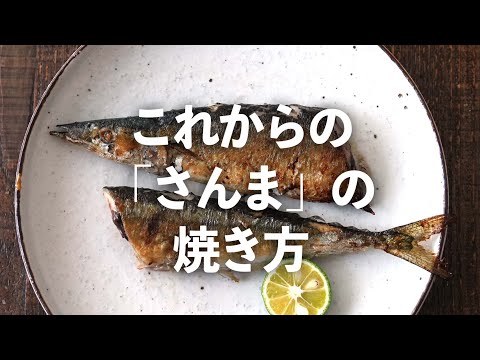
This recipe shows you how to make juicy salted Pacific saury (sanma) using a frying pan. By coating the fish in flour and steam-cooking it with sake, you can achieve a crispy skin and fluffy interior without using a fish grill. Cooking at a high heat for a short time prevents the delicious fat from escaping, taking only 6 minutes of pan-cooking and 1 minute of resting. It also includes detailed guides on how to select the freshest fish at the supermarket and how to prep it properly.
Introduction to 樋口直哉の料理論[Cooking theory] →
Tips for Making "Pan-Seared Salted Pacific Saury (Sanma)"
-
Selection
- Choose fish with clear, non-bloodshot eyes, plump shoulders (indicating high fat), and a tight vent.
-
Selection
- A wide vent indicates lower freshness; for these, remove the innards and use for deep-frying or simmering.
-
Prep
- Placing copy paper on the cutting board prevents mess and makes cleanup easy.
-
Prep
- Gently scrape from tail to head with the tip of a knife to remove scales and dirt.
-
Prep
- Rinse thoroughly, paying close attention to the fins, and pat completely dry with paper towels.
-
Prep
- Cut the fish in half at an angle using the pelvic fin as a guide so it fits in the frying pan.
-
Seasoning
- Sprinkle salt from 30 cm above the fish ('shakushio') to ensure even distribution.
-
Prep
- Dust a thin, even layer of flour using a strainer to create a quick sear and lock in juices and fat.
-
Searing
- Start searing with the presentation side down (head to the right in the pan, which translates to head to the left on the plate).
-
Heat control
- Sear over medium heat for 1 minute, then cover, reduce to low, and cook for 2 minutes to heat through.
-
Heat control
- After flipping, pour in sake and cover immediately; steam on low for 2 minutes to kill parasites while keeping it juicy.
-
Finishing
- Remove the lid after steaming, turn up the heat slightly, and cook to evaporate moisture and crisp the skin.
-
Finishing
- Let the fish rest on the plate for 1 minute to allow residual heat to cook the center to perfection.
Ingredients for "Pan-Seared Salted Pacific Saury (Sanma)"
6 items* Tap ingredient names to find on Amazon
How to Make "Pan-Seared Salted Pacific Saury (Sanma)"
- 1
Place a sheet of copy paper on the cutting board. Gently scrape the saury from tail to head with the tip of a knife to remove scales and dirt.
- 2
Rinse the fish under running water, paying close attention to the area around the fins, then thoroughly pat dry with paper towels.
- 3
Using the pelvic fin as a guide, cut the saury in half at a slight angle.
- 4
Sprinkle salt evenly from about 30 cm (12 inches) above the fish (a traditional technique called 'shakushio').
- 5
Using a tea strainer or sifter, dust both sides of the fish with a thin, even layer of flour.
- 6
Heat a frying pan over medium heat, add 1/2 tbsp of vegetable oil, and coat the pan evenly.
- 7
Place the saury in the pan with the presentation side facing down (head pointing to the right) and sear over medium heat for 1 minute.
- 8
Cover with a lid, reduce the heat to low, and cook for another 2 minutes.
- 9
Remove the lid, flip the saury over, pour in the sake around the fish, immediately cover again, and steam-cook on low heat for 2 minutes.
- 10
Remove the lid, turn up the heat slightly, and cook for about 1 minute to evaporate excess moisture and crisp up the skin.
- 11
Transfer to a serving plate and let it rest for about 1 minute to finish cooking with residual heat.
- 12
Serve with sudachi citrus on the side.
Detailed Commentary on "Pan-Seared Salted Pacific Saury (Sanma)"
* Content organized by topics from the video.
The Secret to Pan-Searing Pacific Saury
Hello, I'm Naoya Higuchi, an author and chef. Today, I'll show you how to make pan-seared salted Pacific saury (sanma). The ultimate secret to cooking delicious saury is 'high heat for a short time.' The charm of saury lies in its savory aroma and rich fat, but cooking it slowly for too long will cause that precious fat to drain away, leaving the meat dry. To prevent this, we will use two professional techniques to keep it juicy in a frying pan: dusting the fish with flour before cooking, and steam-cooking it with sake. With these steps, you can easily make incredibly fluffy and delicious salted saury at home without needing a fish grill.
How to Choose the Best Pacific Saury
To enjoy delicious saury, knowing how to pick the best fish at the supermarket is crucial. There are three main points to check. First, look at the eyes. Clear, non-bloodshot eyes are a sign of freshness. Second, check the body shape. A small head with a plump, raised shoulder area indicates the fish is rich in fat. Third, and most importantly, check the vent (the anal/genital opening). As saury loses freshness, its internal organs expand, causing this opening to widen. A tight, small opening means high freshness, making it perfect for whole-grilled saury with the innards intact. If the opening is wide, it's better to remove the innards and use the fish for deep-frying or simmering. By the way, the old saying that 'a yellow beak indicates quality' isn't very relevant with modern distribution, as the yellow color only fades when the fish is extremely old.
Proper Prep to Remove Fishy Odors
Now, let's move on to the prep. The ingredients are 1 Pacific saury, salt, flour, sudachi citrus, and 1 tbsp of sake. When prepping fish, placing a sheet of copy paper on your cutting board keeps it clean and makes cleanup a breeze. First, remove the scales and dirt. Use the tip of your knife to gently scrape the skin from tail to head a few times. This simple step thoroughly removes the saury's characteristic fishy odor. Next, rinse the fish under running water. Dirt tends to accumulate around the fins, so wash those areas carefully. After rinsing, pat the fish completely dry with paper towels. Finally, since a whole saury won't fit in a standard frying pan, cut it in half at a slight angle using the pelvic fin as a guide.
Locking in Flavor with Salt and Flour
Next, we will salt and flour the cut saury. The trick to salting is to sprinkle it from a height of about 30 cm (12 inches) above the fish. In Japanese cuisine, this technique is called 'shakushio' (high-altitude salting), which ensures the salt is distributed evenly across the entire surface. Next, use a tea strainer to dust a thin layer of flour over the fish—this is a key step. While traditional salt-grilled fish doesn't use flour, it works wonders when pan-searing. The thin flour coating not only helps create a quick, beautifully crisp sear but also acts as a barrier that locks in the saury's savory juices and rich fat. Be sure to dust both sides thinly and evenly.
Pan-Searing Rules and Heat Control
Now, let's cook. Heat a frying pan over medium heat, add 1/2 tbsp of vegetable oil, and coat the pan. When cooking fish, the golden rule is to start searing with the presentation side facing down. In traditional Japanese dining, fish is served with the head to the left and the belly facing forward. Therefore, when placing the fish in the pan, lay it with the head pointing to the right. First, sear one side over medium heat for 1 minute. Once you hear a nice sizzling sound and smell the savory aroma, cover the pan with a lid, reduce the heat to low, and cook for another 2 minutes. Covering the pan allows the heat to circulate efficiently, cooking the fish through so it becomes nice and fluffy.
Steam-Cooking with Sake for Safety
After 2 minutes, remove the lid and flip the saury. Now for our second key technique: pour the sake around the fish, immediately cover with the lid, and steam-cook on low heat for another 2 minutes. Pacific saury can sometimes carry Anisakis parasites in their innards. For safety, the fish must be heated to 70°C (158°F) momentarily, or 60°C (140°F) for at least 1 minute. However, simply pan-searing it for too long will overcook the flesh and make it dry. By adding sake and steaming it, we fill the pan with high-temperature steam. This cooks the innards safely and quickly while preserving the moisture and fat of the meat. This scientific approach is the ultimate secret to keeping the fish juicy.
The Finishing Touch and Residual Heat
After 2 minutes of steaming, remove the lid. Since the sake has made the surface slightly damp, turn up the heat slightly for the final touch to evaporate the moisture and crisp up the skin. Once the excess moisture is gone and the skin is beautifully crisp, transfer the fish to a plate. Here is one more tip: let it rest on the plate for about 1 minute. During this time, the residual heat will gently cook the center of the fish to perfection. The total cooking time is just 6 minutes in the pan and 1 minute of resting, which is much faster than using a fish grill. Serve with sudachi citrus. With one bite, you'll enjoy the crispy, fragrant skin, the incredibly juicy flesh, and the perfect harmony of rich saury fat and refreshing citrus acidity.
Adapting Cooking Methods to Changing Oceans
Finally, let's talk about the changing environment surrounding Pacific saury and how we cook it. While we sometimes hear news of good catches, the actual fish stock remains low. According to research by Professor Shin-ichi Ito of the University of Tokyo, global warming is reducing the plankton that saury feed on, which is expected to make the fish smaller in the future. Smaller fish mean less stored fat. Therefore, rather than relying solely on the natural quality of the ingredient, culinary techniques like 'dusting with flour to lock in fat' will become increasingly important. By updating our cooking methods to match environmental changes, we can continue to enjoy this delicious taste of Japanese autumn.
About 樋口直哉の料理論[Cooking theory]

樋口直哉の料理論[Cooking theory]
7.9万人 subscribers ・ 家庭料理/調理科学
* Opens YouTube channel
* Subscriber count is as of article creation and may differ from the current number.
