

Recipe
Uneven Slices? How to Cut Large Fish Fillets Beautifully | Quick Technique Part 4

Ingredients
- Wildsilver salmon (lightly salted): to taste
About "Silver Salmon Fillets (Skin-Side Down Cutting Method)"
In this video, a master chef with over 50 years of experience in Japanese cuisine demonstrates a quick technique for cutting silver salmon fillets into perfectly even slices. He explains the common issue of cutting skin-side up: the curved surface causes the knife to slip, resulting in uneven widths. The solution is to place the fish skin-side down on the cutting board and slice from above, stabilizing the fish for uniform cuts. As a bonus, the chef shares his breakfast recipe for 'Special Cabbage Natto Rice'.
Tips for Making "Silver Salmon Fillets (Skin-Side Down Cutting Method)"
-
Prep
- Cut off the collar before slicing the fillets. The collar can be lightly grilled and flaked for eating.
-
Slicing
- Place the fish skin-side down (against the cutting board) rather than skin-side up before slicing. This stabilizes the fish, allowing for steady, even cuts.
-
Slicing
- Slicing skin-side up makes the knife prone to slipping due to the curved surface of the flesh, leading to uneven fillet widths and skin sizes.
-
Slicing
- Keeping the skin flat against the cutting board increases stability for uniform cuts. Cutting them smaller is ideal for dishes like ochazuke.
-
Presentation
- Ensuring even cuts dramatically improves the presentation when plated and helps prevent uneven cooking.
Ingredients for "Silver Salmon Fillets (Skin-Side Down Cutting Method)"
1 items* Tap ingredient names to find on Amazon
- Wildsilver salmon (lightly salted): to taste
How to Make "Silver Salmon Fillets (Skin-Side Down Cutting Method)"
- 1
Cut off the collar (kama) of the wild silver salmon. Set it aside to grill and flake later.
- 2
Place the portion of the salmon to be filleted skin-side down on the cutting board.
- 3
Insert the knife vertically from above and slice evenly to your desired width (e.g., smaller pieces for ochazuke).
- 4
By slicing with the skin flat against the cutting board, all the fillets will be cut to a uniform width.
Detailed Commentary on "Silver Salmon Fillets (Skin-Side Down Cutting Method)"
* Content organized by topics from the video.
Wild Silver Salmon & Prepping the Collar
Today, we are using wild silver salmon. According to the chef, while most silver salmon in Japan is farmed, this one is wild-caught from Russia. The chef is highly impressed by its impressive size. First, he cuts off the collar (kama), which will be lightly grilled and flaked, perfect for New Year's dishes. He also notes that the salmon has been split perfectly down the center of the spine. This is done by a computer-calculated machine cut, and the chef is amazed by the precision of the blade cutting exactly through the middle of the bone.
Why Cutting Skin-Side Up Causes Slipping
As a key technique for clean cuts, the chef recommends cutting the fish skin-side down. While many people typically cut fish skin-side up, doing so makes the knife prone to slipping because the flesh side has a curved, rounded surface. This results in uneven fillet widths and skin sizes, which ruins the presentation when plated. To achieve a professional look, how you make that initial cut is incredibly important.
The Pro Technique: Cutting Skin-Side Down
The chef demonstrates cutting the fish skin-side down (against the cutting board). With the skin on the bottom, slicing from above stabilizes the fish against the board, allowing for uniform cuts from top to bottom. The chef cuts them into smaller portions, perfect for dishes like ochazuke (rice with green tea). Simply by keeping the skin down, every slice turns out beautifully even. This lightly salted silver salmon is delicious even when simply grilled.
Elevating Your Dish with Even Cuts
Because the skin is flat against the cutting board, you can slice steadily without any wobbling. Ensuring even cuts dramatically improves the presentation, whether you are serving guests or just cooking at home. It is a simple trick, but knowing it makes a massive difference in the final result—a true piece of professional wisdom. The chef highly recommends giving it a try.
Next Time: The Truth About Ark Shells
Next time, we will focus on ark shells (akagai), revealing the truth about them and the techniques for prepping them. Shellfish prep is deep and full of challenging steps. The chef's logical washing and cleaning methods are quite different from standard techniques. He will passionately share his dedication to serving ark shells at their peak aroma and freshness right before they reach the customer, so please subscribe and stay tuned!
Chef's Daily Special: Cabbage Natto Rice
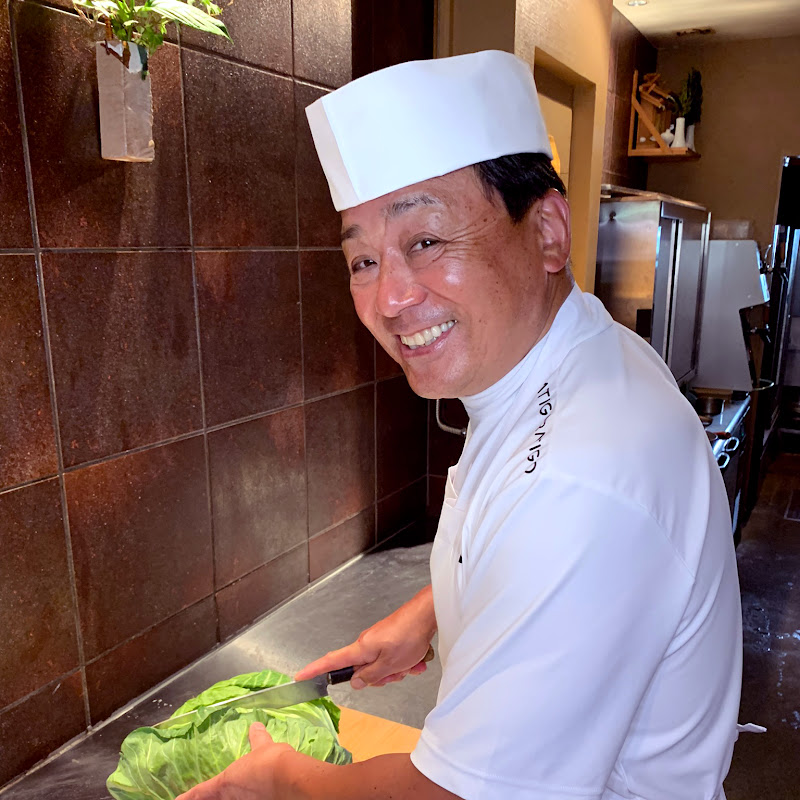
As a bonus, the chef shares his actual breakfast. He wraps a 1/8 wedge of cabbage in plastic wrap and microwaves it for about 30 seconds. He then immediately plunges it into cold water (tap water is fine) to cool before chopping it finely. Microwaving instead of boiling is key to retaining maximum nutrients. He mixes this chopped cabbage with natto, kachiri (dried baby sardines), and a special seasoning made of raw koji aged with tamari soy sauce, then pours it over rice. It is a healthy, veggie-packed breakfast that the chef loves.
About 大将に聞いてみた!
大将に聞いてみた!
2.1万人 subscribers ・ 日本料理・和食
* Opens YouTube channel
* Subscriber count is as of article creation and may differ from the current number.
