

Recipe
No Need for 7 Herbs: Basic Rice Porridge Made with Just Turnip #NanakusaGayu #ProChef

Ingredients
- Rice:45g (3 tbsp)
- Water:450ml
- Turnip:1–2 (both root and greens)
- Salt:3g (1/2 tsp)
About "Turnip-Only Nanakusa Porridge (Hot-Water Method)"
This simple recipe for Nanakusa porridge, traditionally eaten on January 7th, uses only turnip and its greens. Historically, you don't need all seven herbs; during the Edo period, people often used just two or three. The key technique is the 'hot-water method' (cooking from boiling water rather than cold), which keeps the rice grains distinct and light. Using a golden ratio of 10 times water to rice by weight and avoiding stirring during cooking are the secrets to preventing stickiness.
Introduction to 樋口直哉の料理論[Cooking theory] →
Tips for Making "Turnip-Only Nanakusa Porridge (Hot-Water Method)"
-
Prep
- Rinse the rice in a strainer and soak in plenty of water for 15 minutes. This shortens the cooking time.
-
Prep
- Keep the skin on the turnip root and cut into 7–8mm cubes. Wash the greens thoroughly and chop them as finely as possible.
-
Water Ratio
- The golden ratio of water is 10 times the weight of the rice. Here, use 450ml of water for 45g of rice.
-
Heat Control
- Add rice and turnip root to boiling water, stir gently once from the bottom, then simmer on low for 15 minutes once it re-boils.
-
Heat Control
- Never stir while simmering. Stirring breaks the rice grains, releasing starch and making the porridge sticky.
-
Cooking Method
- Why use 'Yudaki': Boiling water instantly seals the starch on the rice surface, preventing it from leaking and keeping the grains distinct and light.
-
Finishing
- After 15 minutes, add the turnip greens and 3g of salt, then simmer for just 1 minute. Do not overcook to preserve the vibrant green color.
Ingredients for "Turnip-Only Nanakusa Porridge (Hot-Water Method)"
4 items* Tap ingredient names to find on Amazon
How to Make "Turnip-Only Nanakusa Porridge (Hot-Water Method)"
- 1
Rinse the rice quickly in a strainer, then soak it in plenty of water for 15 minutes to absorb moisture.
- 2
Separate the turnip root and greens. Cut the root (with skin on) into 7–8mm cubes. Thoroughly wash any dirt from the base of the greens, then chop them as finely as possible.
- 3
Pour 450ml of water into a small pot (about 14–15cm in diameter) and bring it to a rolling boil.
- 4
Add the drained rice and cubed turnip root all at once to the boiling water. Stir gently from the bottom just once with a spatula to prevent the rice from sticking.
- 5
Once it returns to a boil, immediately reduce the heat to low and simmer uncovered for 15 minutes. Do not stir at all during this time.
- 6
After 15 minutes, add the chopped turnip greens and 3g (1/2 tsp) of salt, then simmer for 1 more minute.
- 7
Once the rice grains remain distinct and the porridge has a light, clean texture, it is ready. Ladle into bowls and serve.
Detailed Commentary on "Turnip-Only Nanakusa Porridge (Hot-Water Method)"
* Content organized by topics from the video.
Introduction and the Appeal of 'Yudaki'
Happy New Year, everyone! I'm Naoya Higuchi, author and chef. Today, I'll show you how to make 'Nanakusa Gayu' (seven-herb porridge) eaten on January 7th, while explaining the basics of Japanese-style rice porridge. Porridge has long been cherished as a comforting, easy-to-digest winter dish. Traditionally, it was cooked slowly from cold water in a clay pot called a 'Yukihira-nabe.' However, modern tastes prefer rice with a firmer, more distinct texture. In this recipe, we will use the 'Yudaki' (hot-water cooking) method, where rice is added directly to boiling water. This technique keeps the rice grains beautifully intact, creating a light and satisfying texture perfect for modern palates.
The Golden Ratio and Rice Prep
Let's look at the ingredients for making delicious porridge. For two servings, you will need 45g (3 tbsp) of rice, 1 to 2 turnips, 3g (1/2 tsp) of salt, and 450ml of water. While many recipes use 1/2 or 1 cup of rice, we are using about 1/4 cup (45g)—the perfect minimum amount for home cooking. A small pot about 14–15cm in diameter is ideal for this portion. For prep, rinse the rice in a strainer and soak it in plenty of water for about 15 minutes. Letting the rice absorb water beforehand significantly shortens the cooking time. This simple step ensures the rice cooks evenly to the core while keeping the overall cooking process quick and efficient.
History of Nanakusa Porridge
While spring herbs like water dropwort and shepherd's purse are famous, you don't actually need all seven. The origin of Nanakusa Gayu lies in the ancient custom of gathering young spring greens, which evolved into the 'seven herbs' tradition between the Muromachi and Edo periods. Historical records show that people didn't always use seven varieties; in the Edo period, they often enjoyed it with just two or three. For example, Kyoto used turnip and greens, while Edo used shepherd's purse and komatsuna. Depending on the region, people used whatever was on hand, like burdock, carrots, or dried daikon. Following the old Kyoto custom, we will use easily accessible turnips and their greens to make a simple, delicious porridge.
Prepping Turnips: Keep the Skin On
Now, let's prep our main ingredient: the turnip. First, separate the root from the greens. Since we will simmer the turnip until tender, there is no need to peel it. Keeping the skin on allows you to enjoy the turnip's natural flavor and texture to the fullest. Cut the root into uniform 7–8mm cubes. Next, for the greens, make sure to wash them thoroughly in water, as dirt can get trapped near the base. Once clean, chop the greens as finely as possible to ensure a pleasant mouthfeel in the porridge. Prepping the root and greens this way ensures even cooking and a beautiful presentation.
The Hot-Water Cooking Technique
Now, let's cook the rice. Pour 450ml of water into the pot and bring it to a boil. The golden ratio for porridge is always 10 times the weight of the rice in water. Once the water is boiling rapidly, add the drained rice and cubed turnip root all at once. Since the rice can easily stick to the bottom right after adding it, give it just one gentle stir from the bottom with a spatula. As soon as it returns to a boil, reduce the heat to low and simmer for 15 minutes. Absolutely do not touch or stir the rice during this time. Stirring scrapes the surface of the grains, causing them to break and release starch, which makes the porridge sticky and heavy.
The Science of 'Yudaki'
Let's look at the science behind why we start with boiling water instead of cold water. When rice is heated from cold water, the starch dissolves into the water before it can gelatinize and set. In contrast, dropping rice into boiling water instantly cooks and seals the starch on the surface of the grains. This prevents the starch from leaking out, keeping the grains separate and distinct rather than sticky. This is the exact opposite approach of Chinese congee, which intentionally coaxes out starch to create a thick texture. It is a unique Japanese culinary wisdom designed to achieve a light, clean mouthfeel with distinct grains.
Finishing and Wisdom from Hyotei
After 15 minutes of simmering, it's time for the finishing touch. Add the finely chopped turnip greens and 3g (1/2 tsp) of salt, then simmer for just 1 more minute. Keeping the cooking time short preserves the vibrant green color of the greens. Once the rice grains are tender yet distinct and the porridge is light, it's done. This 'Yudaki' method is actually used by Hyotei, a historic Kyoto restaurant famous for its morning porridge. When serving porridge to many guests, cold-water porridge absorbs too much water over time and becomes heavy, whereas Yudaki porridge resists absorbing excess liquid, keeping its quality longer. Freshly made porridge is truly special, so please try this at home to enjoy the gentle sweetness of the turnip and the refreshing bite of its greens.
About 樋口直哉の料理論[Cooking theory]
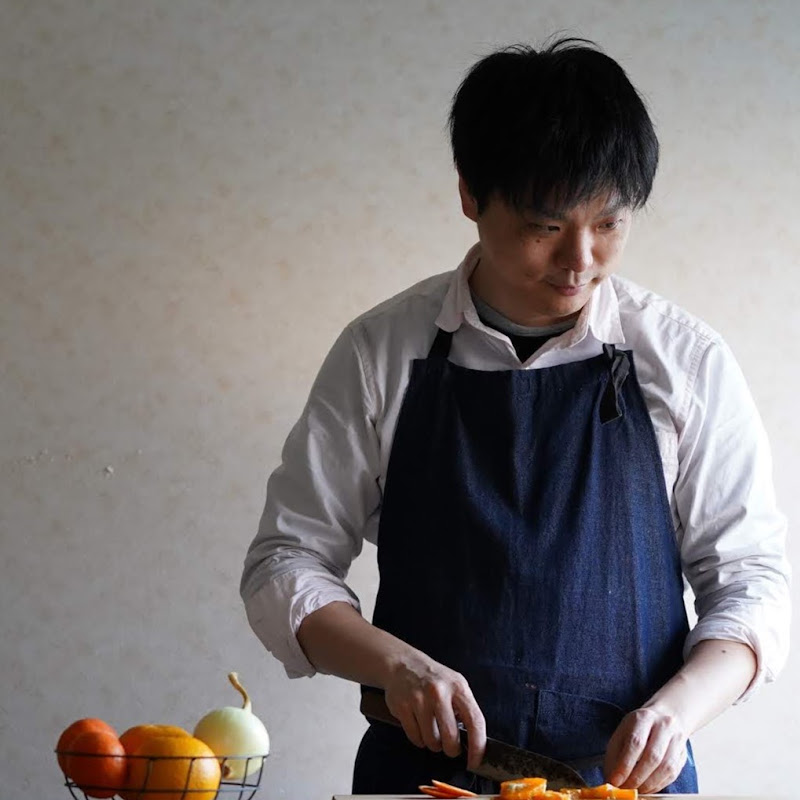
樋口直哉の料理論[Cooking theory]
7.9万人 subscribers ・ 家庭料理/調理科学
* Opens YouTube channel
* Subscriber count is as of article creation and may differ from the current number.
