

Recipe
Frozen Kabayaki Horse Mackerel Bento Rice Balls | Easy Tofu Pack Recipe (80 Yen/Serving) [kattyanneru]
Ingredients
- 5horse mackerel fillets (deboned/butterflied, approx. 150g)
- Apinch of salt
- Flour(for dusting), to taste
- Toastedsesame seeds, to taste
- 1tbsp soy sauce (for kabayaki sauce)
- 1tbsp mirin
- 1/2tbsp sugar (for kabayaki sauce)
- 2tsp vegetable oil (for frying fish)
- 200gkomatsuna (Japanese mustard spinach) (1 bunch)
- 2tsp soy sauce (for komatsuna)
- 1tsp sugar (for komatsuna)
- 2tsp ground sesame seeds
- 1tsp vegetable oil (for komatsuna)
- 3eggs
- 1tsp potato starch
- 1tsp water
- 1tsp sugar (for tamagoyaki)
- 1tbsp mayonnaise
- 1/4tsp salt (for tamagoyaki)
- Cookedrice, approx. 3 rice cooker cups (about 1000g)
About "Frozen Kabayaki Horse Mackerel Bento Rice Balls"
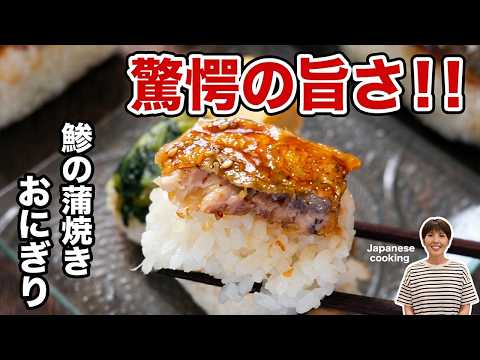
These frozen bento rice balls are made by using empty 150g tofu packs as molds, filling them with kabayaki horse mackerel, tamagoyaki (Japanese omelet), and sautéed komatsuna, then sealing them with rice. Costing only about 80 yen per serving, you can prep 10 servings at once and freeze them for up to 3 weeks. The recipe features clever techniques to keep everything delicious even after reheating, such as dusting the horse mackerel with flour to lock in moisture and adding mayonnaise and potato starch to the eggs to keep them fluffy. Simply microwave to enjoy—perfect for busy mornings and daily lunches!
Introduction to kattyanneru/かっちゃんねる →
Tips for Making "Frozen Kabayaki Horse Mackerel Bento Rice Balls"
-
Prep
- Separating the komatsuna stems and leaves into different bowls allows you to add them at different times for even cooking.
-
Prep
- Carefully remove the small center bones of the horse mackerel with tweezers, cut in half to fit the rice balls, and keep chilled until cooking.
-
Tamagoyaki
- Adding 1 tbsp mayonnaise and 1 tsp potato starch to the egg mixture keeps the omelet fluffy even after freezing and reheating.
-
Sautéing
- It is crucial to thoroughly evaporate the moisture when sautéing the komatsuna, as excess liquid will make the rice soggy.
-
Fish Prep
- Dusting the horse mackerel with a thin, even layer of flour before frying locks in moisture for a tender texture and helps the sauce cling better.
-
Heat Control
- After adding the kabayaki sauce (mirin, soy sauce, sugar), simmer and coat the fish quickly over medium to medium-high heat to create a glossy glaze.
-
Assembly
- Line a 150g tofu pack with wrap, layer the tamagoyaki, horse mackerel (sesame-side down), and komatsuna, top with 100g cooled rice, wrap, and flip.
-
Storage
- Can be frozen for up to 3 weeks. Simply reheat in the microwave when ready to eat.
Ingredients for "Frozen Kabayaki Horse Mackerel Bento Rice Balls"
20 items* Tap ingredient names to find on Amazon
- 5horse mackerel fillets (deboned/butterflied, approx. 150g)
- Apinch of salt
- Flour(for dusting), to taste
- Toastedsesame seeds, to taste
- 1tbsp soy sauce (for kabayaki sauce)
- 1tbsp mirin
- 1/2tbsp sugar (for kabayaki sauce)
- 2tsp vegetable oil (for frying fish)
- 200gkomatsuna (Japanese mustard spinach) (1 bunch)
- 2tsp soy sauce (for komatsuna)
- 1tsp sugar (for komatsuna)
- 2tsp ground sesame seeds
- 1tsp vegetable oil (for komatsuna)
- 3eggs
- 1tsp potato starch
- 1tsp water
- 1tsp sugar (for tamagoyaki)
- 1tbsp mayonnaise
- 1/4tsp salt (for tamagoyaki)
- Cookedrice, approx. 3 rice cooker cups (about 1000g)
How to Make "Frozen Kabayaki Horse Mackerel Bento Rice Balls"
- 1
[Prep: Komatsuna] Cut off the roots of the komatsuna, wash thoroughly with water, and chop into 1cm pieces. Separate the stems and leaves into two different bowls.
- 2
[Prep: Horse Mackerel] Use tweezers to carefully remove any small bones remaining in the center of the horse mackerel fillets, then cut them in half to fit the rice balls. Keep in the refrigerator until ready to cook.
- 3
[Tamagoyaki] In a bowl, thoroughly dissolve 1 tsp potato starch, 1 tsp water, 1 tsp sugar, 1/4 tsp salt, and 1 tbsp mayonnaise. Crack in 3 eggs and whisk well, cutting through the egg whites.
- 4
Heat a little oil in a tamagoyaki pan over medium heat. Pour in the egg mixture in several batches, rolling it carefully to form an omelet. Once cooked, transfer to a tray to cool.
- 5
[Sautéed Komatsuna] Heat 1 tsp vegetable oil in a pan over medium heat and sauté the komatsuna stems first. Cover with a lid and steam-fry until the stems are tender.
- 6
Once the stems are cooked, add the leaves. Season with 2 tsp soy sauce and 1 tsp sugar, and sauté while thoroughly evaporating any moisture. Turn off the heat, stir in 2 tsp ground sesame seeds, and transfer to a tray to cool.
- 7
[Kabayaki Horse Mackerel] Take the horse mackerel out of the refrigerator, lightly sprinkle with salt, and dust evenly with a thin layer of flour.
- 8
Heat 2 tsp vegetable oil in a pan over medium heat. Place the horse mackerel skin-side down. Fry until beautifully browned, then flip and cook the other side similarly.
- 9
Once both sides are cooked, add 1 tbsp mirin, 1 tbsp soy sauce, and 1/2 tbsp sugar. Simmer and coat the fish over medium to medium-high heat. Transfer to a tray, sprinkle toasted sesame seeds in the center of the skin side, and let cool.
- 10
[Assembly] Line an empty 150g tofu pack with plastic wrap. Place 2 slices of tamagoyaki stacked in the back half, place the kabayaki horse mackerel sesame-side down in the front half, and pack the komatsuna into the remaining space.
- 11
Top with about 100g of cooled rice. Fold the edges of the plastic wrap over to cover the rice, press down firmly to shape, then flip the pack over and remove the wrapped rice ball.
- 12
Can be stored in the freezer for about 3 weeks. Simply microwave to reheat before eating.
Detailed Commentary on "Frozen Kabayaki Horse Mackerel Bento Rice Balls"
* Content organized by topics from the video.
Tofu Pack Magic! Our First Fish Rice Ball
Hello everyone, I'm Katchan! Today, I'm bringing you another recipe from our highly popular frozen bento rice ball series made with tofu packs. Actually, I've never featured a fish recipe in this series before, but I received so many wonderful requests from viewers asking for one! So today, we are making Kabayaki Horse Mackerel Bento Rice Balls using seasonal horse mackerel. At an incredibly low cost of about 80 yen per serving, this recipe is extremely budget-friendly. By using empty tofu packs as molds, anyone can easily make beautiful, hearty rice balls. These frozen rice balls are incredibly convenient to stock up on and will definitely be a lifesaver for busy mornings and daily lunches. Let's get cooking!
Prepping the Komatsuna and Horse Mackerel
Let's start with prepping the ingredients. The vegetable we are using today is nutrient-rich komatsuna (1 bunch, 200g). Cut off the roots and wash away any dirt or grit thoroughly with water. Once washed, chop it finely into 1cm pieces. Here is a key tip: since the stems and leaves cook at different rates, separate them into two different bowls so you can add them to the pan at different times. Next, let's prep our main ingredient, the horse mackerel (5 deboned fillets, approx. 150g). There are small bones remaining in the center of the fillets, so use tweezers to carefully remove them. Once deboned, cut them in half to make them the perfect size for the rice balls. Since horse mackerel spoils easily, keeping it chilled in the refrigerator until right before cooking is the secret to keeping it delicious and safe.
Fluffy Tamagoyaki That Stays Soft When Frozen
Next, we'll make the tamagoyaki (Japanese omelet) to add a beautiful pop of color to our rice balls. Since these are meant to be frozen, we are using a special technique to keep them fluffy and prevent them from getting tough when reheated in the microwave. In a bowl, combine 1 tsp potato starch, 1 tsp water, 1 tsp sugar, 1/4 tsp salt, and our secret ingredient—1 tbsp mayonnaise—and mix well until dissolved. The mayonnaise and potato starch act as binders, keeping the eggs incredibly fluffy even after they cool down. Crack 3 eggs into the mixture and whisk thoroughly, cutting through the whites. Heat some oil in a tamagoyaki pan over medium heat, pour the egg mixture in several batches, and roll it up carefully. Once cooked, transfer to a plate and let it cool completely.
Savory Sesame Sautéed Komatsuna
Now, let's make the sautéed komatsuna, which plays a wonderful supporting role in our rice balls. Heat 1 tsp vegetable oil in a pan over medium heat, and start by sautéing the komatsuna stems, which take longer to cook. Cover with a lid to steam-fry them until they soften. Once the stems are tender, toss in all the leaves at once. The seasoning is very simple: 2 tsp soy sauce and 1 tsp sugar. The most crucial point here is to sauté while thoroughly evaporating any moisture. If moisture remains, it will make the rice soggy when assembled. Once the liquid has evaporated completely, turn off the heat and stir in 2 tsp ground sesame seeds. This completes our delicious side dish with a rich, nutty sesame aroma. Transfer this to a tray to cool down as well.
Tender and Savory Kabayaki Horse Mackerel
Finally, we'll make our star ingredient: the kabayaki horse mackerel. Take the horse mackerel out of the refrigerator, sprinkle lightly with salt, and dust evenly with a thin layer of flour. Coating it in flour locks in the juices and flavor, ensuring the fish stays tender and juicy. Heat 2 tsp vegetable oil in a pan over medium heat and place the fish skin-side down. Fry until beautifully browned, then flip to cook the flesh side. Once both sides are nicely seared, add 1 tbsp mirin, 1 tbsp soy sauce, and 1/2 tbsp sugar, then simmer the sauce over medium to medium-high heat to coat the fish quickly. Thanks to the flour coating, the sauce clings perfectly to the fish, creating a gorgeous, glossy glaze. Transfer to a tray, sprinkle a few toasted sesame seeds in the center of the skin side, and let it cool.
Assembling in Tofu Packs & Tasting!
Once all the ingredients have cooled down, it's time to assemble! We'll use empty 150g tofu packs, which are commonly sold in 3-packs at supermarkets. Line a pack with plastic wrap, then place 2 slices of tamagoyaki (cut in half lengthwise and then into 10 pieces) stacked in the back half. In the front half, place the kabayaki horse mackerel sesame-side down, and pack the komatsuna into the remaining space. Top with about 100g of cooled rice. Fold the edges of the plastic wrap over the rice, press down firmly to shape, and flip the pack over to release. You get a beautiful rice ball that looks like a whole bento box packed into one! These keep in the freezer for about 3 weeks—just microwave to enjoy. The fish is tender, the eggs are fluffy, and the crunchy komatsuna with sesame flavor makes this absolutely irresistible!
About kattyanneru/かっちゃんねる
kattyanneru/かっちゃんねる
158万人 subscribers ・ 家庭料理/再現レシピ
* Opens YouTube channel
* Subscriber count is as of article creation and may differ from the current number.
