

Recipe
Don't Just Cook It All Together: The Master's Sweetfish Rice Method | Pro Techniques Part 6
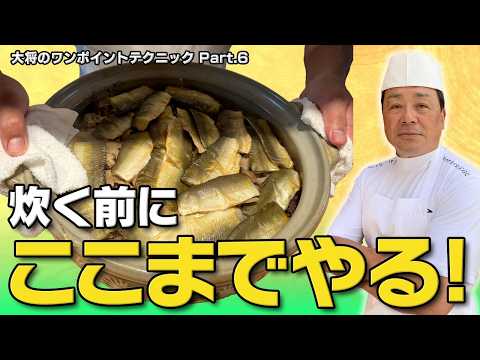
Ingredients
- Ayu(sweetfish), grilled until golden brown: several fish
- Nekonbu(kelp root): to taste
- Rishirikelp: to taste
- Washedrice: to taste
- Blackrice (purple rice): to taste
- Water:to taste (depending on the amount of rice)
About "Ayu Sweetfish Seasoned Rice"
After grilling the sweetfish until golden brown, remove the gills and dry them to draw out a rich dashi stock. Carefully deboning the cooled fish makes it easy to eat. By brewing dashi with kelp and the sweetfish heads and tails, soaking the rice for 1 hour, and adding the deboned fish during the steaming stage, you can cook it to a plump perfection without breaking the fish apart. The heads and tails used for dashi are deep-fried to avoid waste.
Tips for Making "Ayu Sweetfish Seasoned Rice"
-
Prep
- Removing the gills and drying the sweetfish before grilling ensures a crispy finish and a rich dashi stock.
-
Prep
- Debone the sweetfish while lukewarm and tuck loose flesh back inside to ensure a completely bone-free texture.
-
Dashi Prep
- Simmer kelp, sweetfish heads, and tails for 10 minutes, then add the fillets for 2–3 minutes before letting them cool in the liquid (nabedome) to infuse flavor.
-
Timing
- Soak the rice in dashi for 1 hour, and add the sweetfish fillets only during the steaming stage to keep them perfectly intact.
-
Plating
- Mix some flaked sweetfish into the rice and serve the rest whole on top to let guests enjoy flaking it themselves.
Ingredients for "Ayu Sweetfish Seasoned Rice"
6 items* Tap ingredient names to find on Amazon
How to Make "Ayu Sweetfish Seasoned Rice"
- 1
Sweetfish Prep: Removing Gills and Drying
Remove the gills from the sweetfish before grilling and let them dry. This extra step ensures they grill up crispy and yield a rich dashi stock.
- 2
Deboning the Sweetfish
Carefully remove the bones while the grilled sweetfish is still lukewarm. Since the skin rolls up like a chimney, it's fine if the shape breaks slightly. Put any loose flesh back inside, and complete this process before refrigerating.
- 3
Extracting Dashi: Simmering Heads and Tails
Place plenty of nekonbu and Rishiri kelp in a pot, then add the deboned sweetfish heads and tails. Simmer gently for about 10 minutes to extract the dashi.
- 4
Nabedome: Infusing Flavor into the Fillets
After making the dashi, add the deboned sweetfish fillets and simmer gently for 2 to 3 minutes. Turn off the heat and let it sit with the kelp, heads, and tails until cooled. This 'nabedome' technique allows the ingredients to absorb maximum flavor as they cool. Once cooled, strain the dashi cleanly through a paper filter.
- 5
Soaking the Rice in Dashi
Place the washed rice in the dashi, which has absorbed the sweetfish aroma, and let it soak for about 1 hour. Allowing the rice to fully absorb the dashi is a crucial step.
- 6
Starting to Cook the Rice
Transfer the soaked rice and dashi to a rice cooker and start cooking. Do not add the sweetfish fillets at this stage.
- 7
Adding Sweetfish During the Steaming Stage
Once the rice cooker enters the steaming stage, place the briefly simmered sweetfish fillets on top of the rice and let them steam together. Adding them at this timing is a professional technique to prevent the delicate flesh from breaking apart.
- 8
Cooking Complete and Mixing
Open the lid to reveal beautifully plump rice and sweetfish. If using black rice, the grains will have a deep purple hue, adding rich color. Flake the cooked sweetfish and mix it gently into the rice.
- 9
Plating and Presentation
Mix some of the flaked sweetfish (about 2 fish worth) into the rice, and place the remaining whole fish intact on top of the guest's bowl or bento box. This allows guests to enjoy the experience of flaking the fish themselves.
- 10
[Side Dish] Deep-Fried Sweetfish Heads and Tails
Deep-fry the sweetfish heads and tails used for the dashi until crispy. They stay crunchy even in a bento box and make an excellent snack to pair with sake.
Food Science
Combining the inosinate in the grilled sweetfish with the glutamate in the nekonbu and Rishiri kelp creates a powerful umami synergy. Additionally, grilling the sweetfish beforehand triggers the Maillard reaction, unlocking its signature savory aroma and rich depth. As these flavors soak into the rice, they create a deeply flavorful and aromatic seasoned rice.
Detailed Commentary on "Ayu Sweetfish Seasoned Rice"
* Content organized by topics from the video.
Sweetfish Rice: Prep and Deboning Techniques
Prepare sweetfish grilled until golden brown. This is essential for extracting a rich dashi stock for the seasoned rice. It is crucial to remove the gills and dry the fish before grilling; drying ensures they crisp up beautifully and release maximum flavor. Deboning the sweetfish is another key step. Do this while the fish is still lukewarm, before refrigerating. Since the skin curls up like a chimney, it's fine if the shape breaks slightly—just remove all the bones and tuck any loose flesh back inside. This ensures a completely bone-free finish. This meticulous step reflects the Master's thoughtful hospitality, ensuring guests don't have to pick bones out of their mouths, even when enjoying it as ochazuke (rice with tea/dashi).
Concentrating Flavor: Dashi and Nabedome
This is how to prepare the dashi base for the seasoned rice. Place plenty of nekonbu and Rishiri kelp in a pot, and add the deboned sweetfish heads and tails. Simmer gently for about 10 minutes to extract the dashi. Next, add the deboned fillets and simmer for 2 to 3 minutes to infuse them with flavor. This technique is called 'nabedome'—a traditional Japanese culinary method where cooked ingredients are left to cool in their cooking liquid after the heat is turned off. Ingredients absorb the most flavor during the cooling process. Although the fillets are eventually removed, this step ensures they absorb the rich dashi flavor. Leave everything in the pot until cooled, then strain the dashi cleanly through a paper filter.
Rice Cooking Secrets: Soaking and Steaming
Now, let's start cooking. Soak the washed rice in the sweetfish-infused dashi for about 1 hour. Letting the rice fully absorb the dashi is key. When cooking, do not add the sweetfish fillets from the beginning. Once the rice reaches the steaming stage, place the briefly simmered fillets on top of the rice to steam together. If cooked from the start, the delicate fish would break apart. Adding them at this precise moment is a professional technique to keep the sweetfish intact and beautifully plump.
The Finish: Harmony of Black Rice and Ayu
The moment of completion! Opening the lid reveals beautifully fluffy rice and sweetfish. Since black rice is added, the grains have a deep purple hue, adding elegant color. Flake the cooked sweetfish and mix it into the rice. For presentation, mix about two fish into the rice, and serve the remaining fish whole on top of the guest's bowl or bento box. This thoughtful touch by the Master allows guests to enjoy flaking the fish themselves, showcasing his playful spirit and attention to detail.
No Waste: Crispy Fried Heads and Tails
Here is a side dish using the sweetfish heads and tails from the dashi. Deep-fry them into a crispy karaage. They stay crunchy and delicious even in a bento box, and they make a wonderful snack (otsumami) for guests enjoying sake. This idea showcases the wisdom of a Japanese chef—minimizing waste and maximizing the unique characteristics of each part. It highlights the Master's philosophy of using every part of the sweetfish, right down to the bones.
Chef's Trivia: First Auction and Market Prices
The Master shared a story from his return from Toyosu Market. While the news reported three days ago that pacific saury (sanma) fetched over 30,000 yen per fish, he bought them for just 700 yen (excluding tax) each today. Prices fluctuate wildly between the season's first catch and a few days later. The same goes for tuna and sea urchin; the first shipment always commands a premium 'celebratory price' (goshugi-soba), which settles down after a few days. He shared this fascinating insider trivia about market dynamics that average consumers rarely hear about.
About 大将に聞いてみた!
大将に聞いてみた!
2.1万人 subscribers ・ 日本料理・和食
* Opens YouTube channel
* Subscriber count is as of article creation and may differ from the current number.
