

Recipe
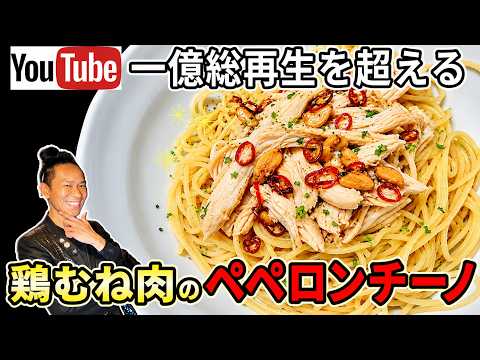
[Ultimate Hacks] The Perfect Equation! Turn Cheap Chicken Breast into Premium Peperoncino!
Ingredients
- 1chicken breast (approx. 250g)
- 160gpasta
- 2tbsp olive oil
- 1clove garlic
- 1/2red chili pepper
- 10galmonds
- 10gbutter
- 1/2tsp Hi-Me (or MSG)
- Approx.1 tbsp finely chopped parsley
- 3tbsp (45ml) chicken poaching liquid
- [Brine]500ml water
- [Brine]0.5 tbsp (10g) salt
- [Brine]2 tbsp (20g) sugar
- [Brine]2 pinches baking soda
- Saltfor boiling pasta (1.5% of water volume)
About "Chicken Breast Peperoncino"
This peperoncino features chicken breast made incredibly moist and tender by soaking it in a mild alkaline brine with baking soda and cooking it with residual heat. It leverages the umami synergy between the glutamic acid in Hi-Me (MSG) and the inosinate in the chicken, enriched by the depth of butter and the nuttiness of toasted almonds. By using the chicken's poaching liquid in the sauce, no flavor goes to waste, while the emulsifying properties of the MSG perfectly bind the oil and water. A final drizzle of fresh olive oil elevates this dish to a professional level.
Introduction to 予約7年待ち「肉の鬼才」森田隼人の料理研究所 →
Tips for Making "Chicken Breast Peperoncino"
-
Prep
- Prick both sides of the chicken breast with a fork perpendicular to the muscle fibers. A cheap fork with thin tines works best. Remove the skin and save it for other uses, as it ruins the texture.
-
Prep
- After pricking, butterfly the chicken breast horizontally to make the thickness uniform, ensuring even cooking.
-
Brine
- The ratio for the mild alkaline brine is 2 parts water to 1 part meat (500ml water for 250g chicken). The golden ratio is 10g salt (2%), 20g sugar (4%), and 2 pinches of baking soda.
-
Brine
- Bring water to a boil, add salt, sugar, and baking soda, then turn off the heat immediately. Do not keep heating, as baking soda causes rapid carbonation.
-
Residual Heat
- Place the brine and chicken in a heatproof bowl, flip the chicken once to expose both sides to the heat, cover with plastic wrap, and let it cook gently in residual heat for a plump, moist texture.
-
Boiling Pasta
- Boil pasta in water with 1.5% salt for 1 minute less than the package instructions. This seasons the pasta itself, so no extra salt is added later.
-
Sauce
- Lightly crush the garlic with the flat of a knife instead of mincing. This saves effort and leaves a soft, roasted texture.
-
Sauce
- Remove the seeds from the red chili pepper before using, as they cause bitterness.
-
Sauce
- Once the garlic browns, add crushed almonds to infuse their nutty aroma and flavor into the oil.
-
Umami & Emulsion
- Adding Hi-Me (MSG) creates an umami synergy with the chicken's inosinate, multiplying the flavor sevenfold. MSG also acts as an emulsifier, helping bind the oil and water.
-
Finishing
- Add 3 tbsp of the chicken poaching liquid to the sauce to return the concentrated chicken flavor back to the pasta.
-
Finishing
- After adding the pasta, stir-fry quickly over high heat and toss the pan to thoroughly emulsify the sauce.
-
Finishing
- Drizzle fresh olive oil over the plated dish to revive the fresh aromas lost during cooking, creating a richer flavor profile.
Ingredients for "Chicken Breast Peperoncino"
15 items* Tap ingredient names to find on Amazon
- 1chicken breast (approx. 250g)
- 160gpasta
- 2tbsp olive oil
- 1clove garlic
- 1/2red chili pepper
- 10galmonds
- 10gbutter
- 1/2tsp Hi-Me (or MSG)
- Approx.1 tbsp finely chopped parsley
- 3tbsp (45ml) chicken poaching liquid
- [Brine]500ml water
- [Brine]0.5 tbsp (10g) salt
- [Brine]2 tbsp (20g) sugar
- [Brine]2 pinches baking soda
- Saltfor boiling pasta (1.5% of water volume)
How to Make "Chicken Breast Peperoncino"
- 1
Start boiling 500ml of water and the water for the pasta at the same time.
- 2
Remove the skin from the chicken breast and prick both sides thoroughly with a fork, perpendicular to the muscle fibers.
- 3
Butterfly the chicken breast by slicing it horizontally from the side to make the thickness uniform.
- 4
Once the 500ml of water boils, turn off the heat. Add 10g salt, 20g sugar, and 2 pinches of baking soda, dissolving them to make a mild alkaline brine. Turn off the heat immediately after adding the baking soda.
- 5
Transfer the brine to a heatproof bowl and submerge the butterflied chicken breast. Flip it once halfway through to ensure both sides get exposed to the heat, cover with plastic wrap, and let it cook gently using residual heat.
- 6
Add salt (1.5% of the water volume) to the pasta water, and boil the pasta for 1 minute less than the package instructions.
- 7
Add 2 tbsp of olive oil to a pan and heat over medium heat. Add the garlic clove (lightly crushed with the flat of a knife) and 1/2 red chili pepper (seeded).
- 8
Once the garlic is lightly browned (like shallow-fried), add 10g of crushed almonds to infuse their nutty aroma into the oil.
- 9
Remove the chicken breast from the brine and shred it by hand into bite-sized pieces that still retain some texture.
- 10
Add the shredded chicken to the pan and toss with the sauce.
- 11
Add 1/2 tsp of Hi-Me (MSG), 10g of butter, and 1 tbsp of chopped parsley.
- 12
Add the cooked pasta and 3 tbsp of the chicken poaching liquid to the pan. Toss and stir vigorously over high heat to thoroughly emulsify the sauce.
- 13
Plate the pasta and finish with a drizzle of fresh olive oil.
Detailed Commentary on "Chicken Breast Peperoncino"
* Content organized by topics from the video.
Collaboration with Ryuji: Chicken Peperoncino
This is a collaborative project inspired by the highly popular chicken tender peperoncino featured on culinary researcher Ryuji's channel. While Ryuji's video used a mildly acidic brine, Chef Morita's channel introduces a hack using cheaper, more accessible chicken breast soaked in a mildly alkaline brine to achieve an incredibly fluffy and juicy texture. By watching both videos, you can perfectly master these innovative peperoncino cooking techniques. As long as you have a home stove, supermarket ingredients, and olive oil, anyone can easily recreate professional-grade flavors at home.
Four Key Secrets to Maximize Flavor
There are four crucial points in this recipe. First is the 'mild alkaline brine' which makes the meat dramatically tender. Second is the 'residual heat cooking equation.' Third is 'using the poaching liquid' to return all the chicken's umami back into the pasta. Fourth is the 'triple punch of umami' from Hi-Me (MSG), butter, and almonds. Combining the inosinate in the chicken breast with the glutamate in the MSG multiplies the umami flavor about sevenfold. This is further enriched by the depth of butter and the aroma of toasted almonds. A scientific hack is also revealed: since Hi-Me is monosodium glutamate, it also acts as an emulsifier to help perfectly bind the oil and water in the sauce.
Simple Ingredients and Prep Tips
The ingredients are very simple and affordable: 250g of domestic chicken breast (extremely budget-friendly), olive oil, garlic, red chili pepper, butter, almonds, MSG, and baking soda. During prep, prick the chicken breast with a fork perpendicular to the direction of the muscle fibers. A hidden tip here is to use a cheap fork with thin, sharp tines, as it pierces the meat more easily. The chicken skin is removed and saved for stock, as it would otherwise ruin the texture of the pasta. After pricking both sides thoroughly, butterfly the meat horizontally to ensure even thickness and uniform cooking. Chef Morita also shares some chicken trivia, noting that most supermarket chicken is broiler chicken (around 50 days old), whereas mature chickens are tougher but highly prized in yakitori restaurants.
Scientific Approach: Alkaline Residual Heat
The golden ratio for the brine is 2 parts water to 1 part meat. For this 250g chicken breast, we use 500ml of water. Bring the water to a boil, then add 10g of salt (2% of water weight), 20g of sugar (4%), and 2 pinches of baking soda. Since adding baking soda causes rapid carbonation, it is crucial to turn off the heat immediately. Transfer the hot brine to a heatproof bowl and submerge the butterflied chicken breast. Make sure to flip it once so both sides are exposed to the heat. Cover with plastic wrap and let it cook gently in the residual heat. This transforms the typically dry chicken breast into an incredibly plump, moist, and premium texture packed with moisture.
Boiling the Pasta and Building the Sauce
Boil 160g of pasta for 1 minute less than the package instructions (e.g., 9 minutes for a 10-minute pasta). The chef's professional touch is setting the salt concentration of the pasta water slightly high at 1.5%. This seasons the pasta itself thoroughly, meaning no extra salt is added in the later cooking stages. For the sauce, heat 2 tbsp of olive oil in a pan over medium heat. Lightly crush 1 clove of garlic with the flat of a knife and add it whole. This saves the effort of mincing while leaving a soft, roasted texture. Add half a red chili pepper (with seeds removed to prevent bitterness) and let the garlic slowly infuse the oil until it is lightly browned. Finally, add 10g of crushed almonds to bring a nutty aroma and deep umami to the sauce.
Finishing Steps to Concentrate Umami
After cooking in the residual heat, the chicken breast becomes so tender that it can easily be shredded by hand. Shred it into bite-sized pieces that still offer a nice bite, add them to the pan, and toss with the sauce. Next, add 1/2 tsp of MSG, 10g of butter, and 1 tbsp of chopped parsley. Toss in the cooked pasta and stir-fry quickly over high heat. To finish, add 3 tbsp (45ml) of the chicken poaching liquid. This liquid is packed with concentrated chicken flavor, and when combined with the emulsifying effect of the MSG, it creates a perfectly bound, glossy, and luxurious sauce. Toss the pan dynamically to bring everything together, then plate beautifully.
Incredible Tenderness and the Finishing Oil
When you lift the completed peperoncino with a fork, the perfectly emulsified sauce clings beautifully to the noodles. Upon tasting, the chicken breast is not dry at all; it is surprisingly moist, fluffy, and juicy. The soft garlic and crunchy, fragrant almonds elevate the pasta's flavor. Drizzling fresh olive oil over the dish at the end—a technique called 'finishing oil'—instantly revives the fresh aromas that were lost during cooking, filling the air with a rich fragrance as if you were in an olive grove. Chef Morita also tries a variation with another premium olive oil, expressing immense satisfaction with its incredible potential, and strongly encourages viewers to try this recipe at home.
About 予約7年待ち「肉の鬼才」森田隼人の料理研究所
予約7年待ち「肉の鬼才」森田隼人の料理研究所
17.1万人 subscribers ・ 和牛・肉料理
* Opens YouTube channel
* Subscriber count is as of article creation and may differ from the current number.
