

Recipe
[Yakitori Pro Guide] How to Prep and Eat Delicious Chicken Wings
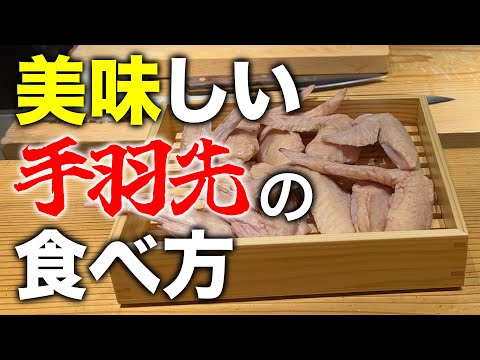
Ingredients
- Chickenwings, as needed
- Salt,a pinch
- Pepper,a pinch
- Hondashi(bonito soup stock powder), about 1 tsp
- Water,as needed
About "Yakitori (Chicken Wings) and Chicken Wing Soup"
A professional yakitori chef's guide to cooking chicken wings. By cleanly deboning and carefully disjointing the wings, they become incredibly juicy when cooked. This guide also covers how to grill them using a home fish broiler and how to make a rich chicken soup using the leftover wingtips.
Introduction to 【野乃鳥】野網厚詞の鳥、まるごと。 →
Tips for Making "Yakitori (Chicken Wings) and Chicken Wing Soup"
-
Prep
- When deboning, the pro tip is to offset the knife slightly from the center of the bone rather than cutting directly down the middle.
-
Prep
- When disjointing, avoid damaging the skin; separating only the joint prevents the juices and fat from escaping.
-
Heat control
- A fish broiler creates an enclosed space that retains heat and applies high-temperature pressure, locking in the chicken's umami.
-
Technique
- Pushing the bones straight down vertically prevents the thin bone from splintering.
-
Soup Prep
- Simmering gently on low heat for 30 minutes to 1 hour extracts an incredibly rich broth.
Ingredients for "Yakitori (Chicken Wings) and Chicken Wing Soup"
5 items* Tap ingredient names to find on Amazon
How to Make "Yakitori (Chicken Wings) and Chicken Wing Soup"
Yakitori (Chicken Wings)
- 1
Make incisions on the underside of the wings
Using fresh chicken wings (such as Tamba Kurodori), make incisions on both sides of the underside (inner side) of the wing, slightly offsetting the knife from the inside and outside of the bone. Do not try to remove the bone completely yet; this is just preparation to separate the meat from the bone.
- 2
Snap and loosen the meat
Snap the wing backward once, then wiggle it around to loosen the meat. This step loosens the connection between the bone and the meat.
- 3
Push the bones out
Stand the mid-wing section vertically against the cutting board and push it straight down firmly. The two bones—the main thick one and the thin one—will pop out cleanly.
- 4
Cut off the wingtips
Cut off the tips of the protruding bones with a knife. Since the tendons around the bones have been cleanly separated, the meat will shrink during cooking, causing the bones to naturally stand out.
- 5
Disjoint the wing
Insert the knife into the joint between the bones and snap it to disjoint them. It is crucial not to damage the skin during this step. Keeping the skin intact dramatically increases juiciness when cooked and ensures even cooking without raw spots.
- 6
Season with salt and pepper
Generously season the prepped chicken wings all over with salt and pepper.
- 7
Grill in a fish broiler
Arrange the chicken wings in the broiler drawer of your home gas stove, set the timer, and grill. Because the fish broiler is an enclosed space, it retains heat well and applies high-temperature pressure, locking in the chicken's umami while grilling it to juicy perfection.
Chicken Wing Soup
- 1
Add wingtips and Hondashi to the pot
Place the discarded wingtips (which still have delicious meat around the bones) and water into a heavy-bottomed pot like a Staub. Sprinkle in a small amount of commercial Hondashi.
- 2
Simmer gently on low heat
Cover and simmer gently on low heat for 30 minutes to 1 hour. Once it boils, reduce the heat to low, and add water as needed if the liquid reduces too much.
- 3
Season the soup with salt
After simmering for nearly an hour, the chicken fat and collagen will melt into the broth, turning it into a rich, milky-white soup resembling chicken paitan. Lightly crushing the chicken meat with a ladle will make it even richer. Add a pinch of salt to a cup, pour in the soup, and adjust the seasoning to taste.
Food Science
Grilling the chicken wings triggers the Maillard reaction, creating a savory aroma and rich depth of flavor. Additionally, combining the natural umami compounds in the wings (such as glutamic acid and inosinic acid) with Hondashi (which contains bonito-derived inosinic acid) creates an umami synergy, dramatically elevating the taste of both the soup and the meat. The addition of salt also sharpens the flavors, playing a key role in balancing the overall taste.
Detailed Commentary on "Yakitori (Chicken Wings) and Chicken Wing Soup"
* Content organized by topics from the video.
Pro Guide to Chicken Wing Prep & Appeal
Mr. Noami, a yakitori chef with 27 years of experience, shares his technique for prepping chicken wings that anyone can easily replicate at home. While he uses premium Tamba Kurodori chicken wings here, standard supermarket wings work perfectly fine. Chicken wings can be difficult to eat when grilled whole, but a little prep makes a dramatic difference. Wings have a front (outer) and back (inner) side; start by making incisions on the back. While it is tempting to cut right down the middle to remove the bone, the professional secret is to offset the knife slightly to the inside and outside of the bone. This preparation is key to cleanly removing the bones later.
Deboning Technique for Easy Eating
Once the incisions are made on both sides, it's time to debone. Snap the chicken wing backward once, then wiggle it to loosen the meat. Next, stand the mid-wing section vertically on the cutting board and push down firmly. Pushing straight down vertically prevents the thin bone from splintering. As you push down, the two bones—the main thick one and the thin one—will pop out cleanly. Leave the bones as they are and cut off the wingtips with a knife. Since the tendons around the bones are cleanly separated, the meat will shrink during cooking, causing the bones to naturally stand out. This allows you to easily hold the bone and eat the wing like a lollipop once grilled.
Disjointing to Lock in Umami
After exposing the bones, the next crucial step is handling the joint. The joint of a chicken wing has thick meat and is difficult to cook through. To solve this, insert a knife into the joint between the bones and snap it to disjoint them. The ultimate trick here is to avoid cutting through the skin. By disjointing the wing without damaging the skin, heat can penetrate thoroughly to the center while keeping the juicy umami and fat locked inside. This simple step dramatically boosts the juiciness of the finished dish and eliminates any worry of undercooking. It is a meticulous technique born from professional expertise.
Using a Fish Broiler for Best Results
For cooking the prepped chicken wings, Mr. Noami highly recommends using the fish broiler built into home gas stoves. Many households rarely use it except for cooking fish, often avoiding it because it seems tedious to clean, but it is actually the best place to grill chicken. The inside of a fish broiler acts like an oven, creating an enclosed space that retains heat and applies high-temperature pressure. This locks in the chicken's juices and grills it to perfection. Simply arrange the wings in the drawer, season with salt and pepper, slide them in, and set the timer for effortless, restaurant-quality yakitori.
Rich Chicken Soup from Leftover Tips
The discarded chicken wingtips still have delicious meat around the bones, making them too good to waste. Mr. Noami suggests using them to make a soup. In a Staub or other heavy-bottomed pot that locks in flavor, combine the wingtips and water, then sprinkle in some commercial Hondashi. Cover and simmer on low heat for 30 minutes to 1 hour. Once it boils, keep the heat low and add water as needed if the liquid reduces. This simple process extracts an incredibly rich broth from the wingtips, creating the base for a dense, flavorful soup that is a staff-favorite meal at the restaurant.
Finishing and Tasting the Simmered Soup
After simmering for nearly an hour, the chicken fat and collagen melt into the broth, turning it into a rich, milky-white soup resembling chicken paitan. Lightly crushing the chicken meat with a ladle makes it even richer. To finish, add a pinch of salt to a cup—aiming for the restaurant's standard 0.3% salt concentration—and pour in the soup. Tasting it reveals a layer of chicken fat on top that retains heat exceptionally well, keeping the soup piping hot to warm you to the core. Despite the simple seasoning of just chicken broth and salt, it has an incredibly deep flavor and aroma. This versatile soup is delicious on its own, but also makes an excellent base for hot pots (mizutaki) or braising daikon radish.
About 【野乃鳥】野網厚詞の鳥、まるごと。
【野乃鳥】野網厚詞の鳥、まるごと。
7,210人 subscribers ・ 焼き鳥
* Opens YouTube channel
* Subscriber count is as of article creation and may differ from the current number.
