

Recipe
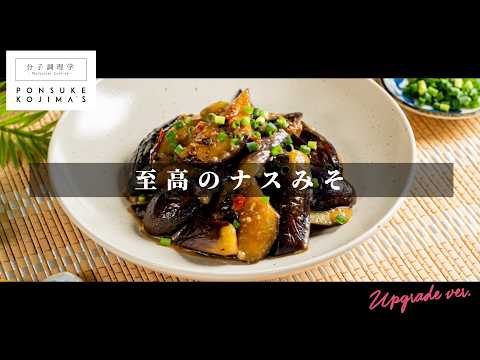
Irresistible 'Ultimate Eggplant with Miso' [Japan's Most Detailed Recipe Video]
Ingredients
- 4–5eggplants
- Redchili pepper (sliced), to taste
- 2tbsp miso
- 4tbsp sake (2 tbsp for miso sauce + 2 tbsp for finishing)
- 1tbsp sugar
- 2tbsp mirin
- About2 tbsp vegetable oil
About "Eggplant with Miso"
This recipe explains three key points for making delicious miso eggplant (coating with oil first, pan-frying skin-side down, and adding miso at the end) from the perspective of molecular gastronomy. Coating the eggplant with oil before turning on the heat prevents it from absorbing excess oil, while frying skin-side down locks in the anthocyanin pigment to maintain a vibrant purple color. The miso is added at the very end to prevent burning and splattering, then tossed quickly to coat. The sweet and savory miso glaze clings to the juicy eggplant, making it a perfect dish to accompany rice or drinks.
Introduction to こじまぽん助【分子調理学研究家】 →
Video Timestamps
Tips for Making "Eggplant with Miso"
-
Prep
- No need to soak the eggplant. Cut in half lengthwise, then diagonally into 3 large chunks. Cutting them large is key as they shrink when cooked.
-
Prep
- Make the miso sauce in advance. Mix the miso, sake, and red chili pepper well to dissolve the miso, allowing for smooth coating at the end.
-
Prep
- Coat the eggplant with oil while cold before turning on the heat. Adding oil after heating causes excess absorption; coating while cold keeps it healthy.
-
Heat control
- Arrange the oil-coated eggplant skin-side down before turning on the heat to medium. Frying skin-side down locks in anthocyanin to keep the purple color.
-
Heat control
- Once tender and glossy, add sugar, sake, and mirin, and cook for 1 minute to burn off alcohol and season. Keep a little liquid in the pan, adding water if dry.
-
Seasoning
- Always add miso at the very end. Adding it too early causes burning, splattering, and saltiness. Tossing it quickly at the end ensures a mellow finish.
-
Seasoning
- Adding a small amount of red chili pepper is recommended to balance the sweet flavor. If you dislike spice, substitute with 1–2 drops of Tabasco or under 1 tsp vinegar.
-
Finishing
- Garnish with green onions. Adding aromatic vegetables like Japanese ginger (myoga) or shiso leaves adds a refreshing touch.
Ingredients for "Eggplant with Miso"
7 items* Tap ingredient names to find on Amazon
How to Make "Eggplant with Miso"
- 1
[Make the miso sauce] In a bowl, combine 2 tbsp miso, 2 tbsp sake, and red chili pepper (to taste). Mix well until the miso is completely dissolved.
- 2
[Cut the eggplant] No need to soak the eggplant to remove bitterness. Cut them in half lengthwise, then cut diagonally into 3 large chunks (cutting them into large pieces is key, as they shrink when cooked).
- 3
[Coat the eggplant with oil] Place the cut eggplant in a frying pan. Before turning on the heat, drizzle about 2 tbsp of vegetable oil over them and toss well to coat evenly (aim for when the eggplant has fully absorbed the oil).
- 4
[Pan-fry skin-side down] Arrange the oil-coated eggplant in the pan with all skin sides facing down, then turn on the heat to medium. Once the skin is lightly browned, flip them over and cook the other sides. Searing them until slightly charred and fragrant is key to bringing out the flavor.
- 5
[Add seasonings] Once the eggplant is tender and glossy, add 1 tbsp sugar, 2 tbsp sake, and 2 tbsp mirin to the pan. Cook over medium heat for about 1 minute to burn off the alcohol while seasoning the eggplant. If the liquid evaporates too much, add a splash of water to adjust.
- 6
[Add the miso sauce and finish] Once the alcohol has evaporated, lower the heat slightly and add all of the prepared miso sauce. Gently toss everything together, and once the sauce thickens and coats the eggplant, it is done.
- 7
[Plating] Transfer to a plate and garnish with chopped green onions (or Japanese ginger/shiso leaves) to serve.
Detailed Commentary on "Eggplant with Miso"
* Content organized by topics from the video.
3 Secrets to the Ultimate Miso Eggplant
Hi, I'm Kojima Ponsuke! Today, I'm sharing a recipe for 'Miso Eggplant,' perfect for the season when eggplants are delicious and affordable. Even though we're using everyday ingredients, I'll explain the professional tips to make it incredibly delicious from the perspective of molecular gastronomy. There are three key points today: first, coating the eggplant with oil beforehand; second, pan-frying skin-side down; and third, adding the miso at the very end. Just by keeping these three points in mind, you can make an exquisite miso eggplant that isn't greasy, retains its beautiful purple color, and is deeply flavorful. Let's dive right into making the ultimate miso eggplant!
Mixing the Special Miso Sauce
First, let's make the miso sauce, which is the key to the flavor. In a bowl, combine 2 tbsp miso, 2 tbsp sake, and your preferred amount of red chili pepper. I like spicy food, so I'm adding a bit more today, but feel free to adjust the amount to your liking. Since the overall flavor profile is slightly sweet, I highly recommend adding at least a tiny bit of chili to sharpen the taste. If you absolutely cannot handle spice, a secret trick is to add 1–2 drops of Tabasco or just under 1 tsp of vinegar instead. Mix these well to dissolve the miso. We'll add this sauce at the very end, so let's set it aside for now.
Coating Eggplant with Oil Before Cooking
Next, let's prep the eggplants. We'll use 5 eggplants. The important thing here is not to soak them to remove bitterness. Especially when pan-frying, soaking doesn't make a difference in the final result, so we'll cut them straight away. I recommend cutting them in half lengthwise, then diagonally into 3 large chunks. Eggplants shrink and become melt-in-your-mouth tender when cooked, so cutting them large is key to keeping their presence. Once you put the cut eggplant in the pan, drizzle about 2 tbsp of vegetable oil over them before turning on the heat, and toss well to coat. Eggplants have a property of absorbing endless oil when heated, but by coating them while cold, you can prevent them from absorbing excess oil, keeping it healthy and beautifully glossy.
Frying Skin-Side Down to Keep the Color
Arrange the oil-coated eggplant in the pan with all skin sides facing down. Now, turn on the heat to medium. The reason we fry skin-side down is to preserve the beautiful purple color. The purple pigment in eggplant, anthocyanin, is water-soluble and easily bleeds out. By coating them with oil first and frying skin-side down, the oil adheres firmly to the skin, acting as a barrier that prevents the pigment from bleeding. If you fry them flesh-side down first, the oil gets absorbed along with the moisture released from the eggplant, stripping the skin of its oil and causing the color to fade. Once the skin is lightly browned, flip them over and cook the other sides. Searing them until slightly charred and fragrant is key to bringing out the flavor.
Seasoning the Eggplant First
Once the eggplant is slightly tender and glossy, we'll add the seasonings. First, add 1 tbsp sugar, 2 tbsp sake, and 2 tbsp mirin to the pan. Over medium heat, let the eggplant thoroughly absorb the sweetness and umami of these seasonings. Cooking for about 1 minute burns off the alcohol from the sake and mirin, leaving a delicious base flavor in the eggplant. It's important to keep a little liquid at the bottom of the pan at this stage. If it dries out completely, add a splash of water to adjust. Keeping some moisture helps the miso sauce we add next coat the eggplant evenly.
Adding Miso Last to Prevent Burning
Once the alcohol has evaporated and the base flavor is locked in, add all of the prepared miso sauce. After adding the sauce, lower the heat slightly and gently toss everything together. There are two major reasons for adding the miso at the end rather than the beginning. First is to prevent splattering. Miso adds viscosity, so when mixed with hot oil, it splatters violently and messes up the kitchen. Second is to prevent failure. Miso burns easily, and adding it too early makes the flavor too concentrated and salty. By adding it at the end and tossing quickly, you prevent burning and achieve a perfectly balanced, mellow flavor. Once the sauce thickens and coats the eggplant, it's done.
Irresistible, Melt-in-Your-Mouth Miso Eggplant
Plate the finished miso eggplant and garnish with your favorite herbs. I used green onions today, but adding Japanese ginger (myoga) or shiso leaves adds a refreshing touch that makes it even more delicious. With just one bite, the juicy, melt-in-your-mouth texture of the eggplant and the rich, sweet-and-savory miso flavor spread through your mouth—it's truly irresistible. It's perfect as a side dish for rice or as an appetizer for drinks. It's also delicious cold, making it great for meal prep or bento boxes. This recipe is incredibly easy and guaranteed to be delicious, so please give it a try at home!
4 Classic Japanese Recipes to Remember
Lastly, I'd like to introduce four recommended classic Japanese recipes to remember along with this miso eggplant. First is 'Nikujaga' (meat and potato stew), with tips on how to get the flavor deep into the potatoes. Second is 'Okara' (soy pulp, light version), which is cheap, healthy, and highly nutritious. Third is 'Chikuzenni' (simmered chicken and vegetables), perfect for celebrations and previously featured in anime/drama collaborations. Fourth is 'Takikomi Gohan' (seasoned mixed rice), which becomes dramatically more delicious with just one extra step. Each recipe is packed with professional techniques to achieve unprecedented deliciousness with just a little effort. I've linked the detailed recipes in the description box, so please check them out!
About こじまぽん助【分子調理学研究家】

こじまぽん助【分子調理学研究家】
15.6万人 subscribers ・ 家庭料理
* Opens YouTube channel
* Subscriber count is as of article creation and may differ from the current number.
