

Recipe
[Iron Skillet Fried Rice] What to Do First When You Buy an Iron Pan
Ingredients
- Bacon,to taste
- Greenonions, to taste
- 1egg
- Warmcooked rice, to taste
- Oil,a generous amount
- Salt,a pinch
- Pepper,a pinch
- Chickenbouillon powder, about 1 tsp
- Mirin,about 1/2 tsp
- Soysauce, a pinch
About "Bacon Fried Rice"
This video introduces the preparation steps for using a newly purchased River Light iron skillet and how to make bacon fried rice using its high heat retention. After "seasoning" the pan through three rituals—initial heat seasoning, oil seasoning, and cooking vegetable scraps—we make a fluffy fried rice using a unique technique of not beating the egg beforehand. We also explain how to properly care for your iron skillet after use.
Tips for Making "Bacon Fried Rice"
-
Prep
- Initial seasoning is essential right after buying an iron skillet. Heat on high for 1 min + medium for 3 mins to burn off the coating and form an oxide layer.
-
Prep
- For oil seasoning, heat oil on low for 3 mins and rub it all over with a paper towel. Then, stir-fry vegetable scraps to remove the metallic smell.
-
Prep
- Use the egg cracked but unbeaten. Leveraging the different cooking temperatures of whites and yolks creates a fluffy, textured fried rice.
-
Heat control
- Heat the skillet on high until it smokes before adding oil to maximize the high-heat capabilities of the iron pan.
-
Cooking
- Add the rice while the egg is still runny. Using the back of a round ladle keeps the rice grains from crushing, making it fluffy.
-
Seasoning
- Season with salt, pepper, and chicken bouillon. Add a splash of mirin for perfect moisture, and finish with soy sauce around the edges for a charred aroma.
-
Care
- Wash with hot water and no soap after use. To preserve the oil layer, dry completely over heat and apply a thin coat of oil before storing.
Ingredients for "Bacon Fried Rice"
10 items* Tap ingredient names to find on Amazon
How to Make "Bacon Fried Rice"
- 1
Thoroughly wash the new iron skillet with dish soap and a sponge.
- 2
Heat the skillet on high for 1 minute, then on medium for 3 minutes to season it and form an oxide layer.
- 3
Once the skillet cools down, scrub it with water only using a tawashi brush.
- 4
Place it back on the heat to evaporate the moisture, then heat oil on low for 3 minutes.
- 5
Return the oil to an oil pot and rub the oil all over the inside of the pan with a paper towel.
- 6
Stir-fry vegetable scraps on high heat to remove the metallic iron smell.
- 7
Finely chop the bacon, slice the green onions, and warm up the rice in the microwave.
- 8
Crack the egg into a bowl, but do not beat it.
- 9
Heat the skillet on high until it starts smoking, then pour in a generous amount of oil.
- 10
Add the unbeaten egg and gently break it up with a wooden spatula or ladle.
- 11
While the egg is still runny, toss in the warm rice and stir-fry while mixing well.
- 12
Season with salt, pepper, and chicken bouillon powder.
- 13
Add the green onions just before finishing, and drizzle soy sauce around the edges of the pan.
- 14
Plate the fried rice.
- 15
After use, wash the skillet with hot water and a tawashi brush without using dish soap.
- 16
Heat to evaporate the moisture, apply a thin layer of oil, and store.
Food Science
By heating the iron skillet on high and using warm rice, you prevent the pan's temperature from dropping, allowing excess moisture to evaporate efficiently for a fluffy texture. Drizzling soy sauce around the hot edges of the pan triggers the Maillard reaction, enhancing the savory, charred aroma. Furthermore, combining the inosinate in the bacon with the glutamate in the chicken bouillon and soy sauce creates an umami synergy, resulting in a deeper, richer flavor.
Detailed Commentary on "Bacon Fried Rice"
* Content organized by topics from the video.
The New Iron Skillet Ritual: Initial Seasoning
I finally bought the wok I've been wanting: the River Light "Kiwame JAPAN Stir-Fry Pan 28cm". At just over 1kg, it has a decent weight for home use, but I'm starting the maintenance process to make delicious food with it. First, to remove any rust-preventative coating or dirt from manufacturing, thoroughly wash the entire pan with dish soap and a sponge. Next, perform the initial heat seasoning. Since modern iron pans have a thin protective coating, you need to burn it off. Start by heating it on high, and after about a minute, lower to medium heat and let it heat thoroughly for another 3 minutes. It will smoke, so make sure to run your exhaust fan and heat it until the smoke subsides. Turn off the heat and let the skillet cool down naturally. This initial seasoning creates a non-stick "oxide layer".
Nurturing the Pan: Oil Seasoning & Scrap Cooking
Once the skillet has cooled down, wash it with water using a tawashi brush. At this stage, you don't need soap; scrubbing with just water is fine. After washing, heat it again to completely evaporate the moisture. Once dry, perform "oil seasoning". Pour in enough oil to fill about a quarter of the pan (used oil is fine) and heat on low for about 3 minutes. Afterward, return the oil to your oil pot and use a paper towel to rub the oil thoroughly into the entire inner surface. Next, do a "scrap cook" to remove the metallic iron smell. Prepare some vegetable scraps that you would normally discard, like onion skins or carrot peels. Heat the skillet on high, coat it with oil, and stir-fry these scraps thoroughly. Once done, discard the vegetables, apply another thin coat of oil, wipe it down with a paper towel, and the preparation is complete.
Don't Beat the Egg! Prep for Perfect Fried Rice
To celebrate my newly seasoned iron skillet, I'm making a simple bacon fried rice. For the ingredients, I borrowed some bacon saved for the kids' breakfast and chopped it finely. I also sliced some green onions and warmed up the rice in the microwave. Now, here is my biggest secret: crack the egg into a bowl, but do not beat it. The reason for not beating the egg is that egg whites and yolks cook at different temperatures. By adding them unbeaten, the yolk coats the rice grains to make them fluffy and separate, while the white creates crispy bits with a different texture, resulting in a more dynamic and delicious fried rice.
Making Fluffy Fried Rice with High Heat
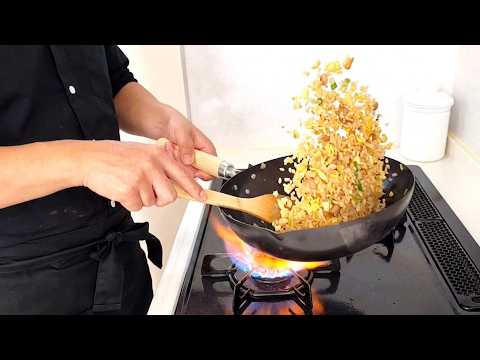
Heat the skillet on high until it starts smoking, then pour in a generous amount of oil. Drop in the unbeaten egg and quickly break it up slightly using a wooden spatula or a round ladle. While the egg is still runny, immediately toss in the warm rice and stir-fry, mixing it well with the egg. Season with salt, pepper, and chicken bouillon powder. When stir-frying, using the rounded back of a ladle instead of a spatula helps separate the rice grains without crushing them. Additionally, adding a tiny splash of mirin as a secret ingredient adds a subtle moisture, making it fluffy yet perfectly moist. Just before finishing, add the chopped green onions, and finally, drizzle soy sauce around the edges of the pan to infuse it with a fragrant, charred soy sauce aroma.
Tasting the Fried Rice & Proper Skillet Care
Plate the finished fried rice. Not a single grain of rice stuck to the surface of the iron skillet, leaving it perfectly clean. Tasting it, the high heat unique to iron skillets really stands out, making it incredibly fragrant, fluffy, and absolutely delicious. After enjoying the meal, it's time for proper cleanup to ensure the skillet's longevity. Wash the used skillet with only hot water and a tawashi brush, without using dish soap. Using soap will wash away the seasoned oil layer you worked so hard to build. After washing, place it back on the heat to completely dry it and prevent rust. Finally, wipe a thin layer of oil over the entire surface with a paper towel before storing, so it remains non-stick and ready for next time.
About 夕方食堂

夕方食堂
34.3万人 subscribers ・ 家庭料理
* Opens YouTube channel
* Subscriber count is as of article creation and may differ from the current number.
