

Recipe
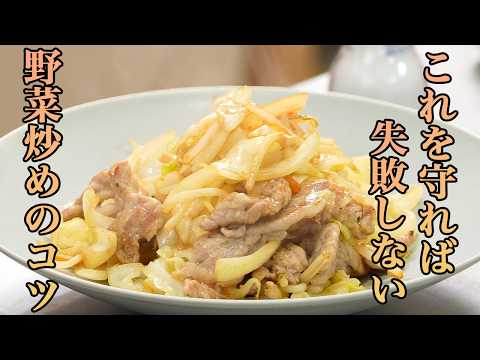
Never Bland with Less Sauce! The Ultimate Stir-Fry Technique
Ingredients
- 150gpork shoulder slices (pork koma)
- 300gpre-cut stir-fry vegetables (cabbage, bean sprouts, etc.)
- 1tbsp oil (for coating vegetables)
- 1tsp soy sauce (for sauce)
- 1tsp oyster sauce (for sauce)
- 1tsp sake (for sauce)
- Apinch of salt (for seasoning meat)
- Blackpepper (for seasoning meat), to taste
- 1/2tsp potato starch (for seasoning meat)
- 1tsp oil (for seasoning meat)
- Apinch of salt (for stir-frying)
- Oil(for stir-frying), to taste
About "Pork and Vegetable Stir-Fry"
A pork and vegetable stir-fry recipe using a foolproof technique that keeps the dish flavorful even with a small amount of sauce. Before cooking, the vegetables are coated in oil and blanched in boiling water for just 10 seconds to lock in their crispiness and gloss. The pork is seasoned with salt, pepper, potato starch, and oil to keep it juicy. The sauce is a simple 1:1:1 golden ratio of soy sauce, sake, and oyster sauce. Because the meat is well-seasoned, the dish is perfectly flavorful with minimal sauce. By simply cooking over medium-low heat on a home stove, you can achieve a professional-quality result.
Tips for Making "Pork and Vegetable Stir-Fry"
-
Veg Prep
- Before blanching, drizzle the vegetables with 1 tbsp of oil and toss to coat (sealing effect). This prevents moisture from escaping, keeping them crispy and glossy. Do not add salt at this stage, as it draws out moisture.
-
Veg Prep
- Blanch the oil-coated vegetables in boiling water for just 10 seconds, then drain in a colander. It is best to stop when they still look slightly raw. For hard root vegetables, slice thinly or blanch them first.
-
Meat Prep
- Season the pork with a pinch of salt, pepper, 1/2 tsp of potato starch, and 1 tsp of oil, and massage well. The starch and oil lock in moisture, keeping the meat juicy and tender.
-
Sauce Prep
- Mix 1 tsp each of soy sauce, sake, and oyster sauce beforehand (1:1:1 golden ratio). Prepping all ingredients and seasonings before cooking ensures a smooth process.
-
Heat Control
- Stir-fry the pork over medium-low heat. High heat shrinks and toughens the meat, so cook slowly with a gentle flame until lightly browned and the fat renders.
-
Seasoning
- Add the vegetables, sprinkle with a pinch of salt, and toss quickly over medium heat. Pour in the sauce, let it bubble at the front of the pan to burn off the alcohol, then quickly coat everything.
-
Finishing
- Turn off the heat immediately after coating with the sauce and plate. Avoiding overcooking keeps the vegetables crispy. Well-seasoning the meat ensures bold flavor with minimal sauce.
Ingredients for "Pork and Vegetable Stir-Fry"
12 items* Tap ingredient names to find on Amazon
- 150gpork shoulder slices (pork koma)
- 300gpre-cut stir-fry vegetables (cabbage, bean sprouts, etc.)
- 1tbsp oil (for coating vegetables)
- 1tsp soy sauce (for sauce)
- 1tsp oyster sauce (for sauce)
- 1tsp sake (for sauce)
- Apinch of salt (for seasoning meat)
- Blackpepper (for seasoning meat), to taste
- 1/2tsp potato starch (for seasoning meat)
- 1tsp oil (for seasoning meat)
- Apinch of salt (for stir-frying)
- Oil(for stir-frying), to taste
How to Make "Pork and Vegetable Stir-Fry"
- 1
[Prep Vegetables] Place 300g of pre-cut vegetables in a bowl, drizzle with 1 tbsp of oil, and gently toss by hand to coat the surface of the vegetables.
- 2
[Prep Meat] Add a pinch of salt, pepper to taste, 1/2 tsp of potato starch, and 1 tsp of oil to 150g of pork slices, and massage well.
- 3
[Prep Sauce] Mix 1 tsp of soy sauce, 1 tsp of sake, and 1 tsp of oyster sauce together to prepare the sauce.
- 4
[Blanch Vegetables] Bring water to a boil in a pot, add the oil-coated vegetables, blanch for just 10 seconds, then drain well in a colander. (If using hard root vegetables, slice them thinly or blanch them first).
- 5
[Stir-fry Meat] Heat a small amount of oil in a pan over medium-low heat. Spread out the seasoned pork and cook slowly until lightly browned and the fat begins to render.
- 6
[Add Vegetables] Once the meat is cooked through, add the drained vegetables to the pan, sprinkle with a pinch of salt, turn the heat to medium, and quickly toss together.
- 7
[Add Sauce & Finish] Pour in the sauce all at once, let it bubble at the front of the pan to burn off the alcohol, then quickly toss to coat everything. Once combined, turn off the heat immediately and plate.
Detailed Commentary on "Pork and Vegetable Stir-Fry"
* Content organized by topics from the video.
Appointed as an 'Ajinomoto Talk' Instructor!
Good morning, everyone! I'm Sakura. Today, I'll be making a vegetable stir-fry while answering some of your cooking questions. Actually, I have some exciting news: I've been appointed as a cooking instructor for Ajinomoto's cooking community, 'Ajinomoto Talk'! Thank you so much. To celebrate, we have Yukimi, the community manager, joining us as a guest today. Yukimi has brought a lot of questions from all of you. Let's keep it casual and have fun today, as if you're just hanging out with us. While stir-fry is a basic dish, it can actually be surprisingly difficult to get right. Today, I'll share foolproof techniques to make a delicious stir-fry every time while answering your questions.
A Stir-Fry Where You Don't Fry the Veggies?!
Today's ingredients for two servings are 150g of pork slices and 300g of pre-cut stir-fry vegetables. Right off the bat, let me share the biggest secret that completely flips conventional stir-fry wisdom: to make a delicious stir-fry, we barely fry the vegetables at all! Vegetables with high water content, like bean sprouts, release water and become soggy if you stir-fry them slowly in a pan. It's also hard to judge when they are perfectly cooked. So, our foolproof method is to blanch the vegetables in boiling water before stir-frying. However, simply boiling them would just make them plain boiled vegetables. By doing a quick prep step beforehand, we can achieve a restaurant-quality, glossy, and crispy texture.
Locking in Moisture with an Oil Coating
Before putting the vegetables in hot water, transfer them to a bowl, drizzle with 1 tbsp of oil, and gently toss to coat them. This creates a sealing effect with a thin layer of oil on the surface of the vegetables. It works on the same principle as the Chinese 'oil-blanching' (yautau) technique, preventing moisture from escaping into the water and keeping them crispy. Do not add salt at this stage, as salt draws out moisture through osmosis. Next, let's prep the pork. Season 150g of pork slices with a pinch of salt (about 0.8g) and plenty of pepper. Then, add 1/2 tsp of potato starch and 1 tsp of oil, and massage well. Coating the meat with starch and oil locks in its moisture, keeping it juicy and preventing it from drying out when cooked.
Easy 1:1:1 Golden Ratio Sauce
Once the meat and vegetables are prepped, mix the sauce ingredients beforehand. This sauce is an incredibly simple golden ratio: just 1 tsp each of soy sauce, sake, and oyster sauce. Since the measurements are equal, it's very easy to remember. If you want a bit of tanginess, adding a splash of vinegar is also highly recommended. This might seem like a small amount of sauce for two servings, but since the meat is already well-seasoned, this is more than enough to bring the dish together. Also, as a tip for smooth cooking flow, it's best to do all your cutting at the end, or measure out all your ingredients and seasonings beforehand. Keeping your workspace clear helps you cook efficiently without rushing.
Blanching for Just 10 Seconds
Now, let's blanch the vegetables in boiling water. The cooking time is just 10 seconds! Vegetables like bean sprouts and cabbage cook sufficiently in just 10 seconds. It's best to pull them out when they still look slightly raw. They will cook further when combined with the meat and through residual heat, so overcooking is strictly forbidden. If you are using hard-to-cook vegetables like carrots, burdock root, or potatoes, slice them thinly or add them to the boiling water first. After 10 seconds, quickly transfer them to a colander to drain. Vegetables blanched after being coated in oil won't get soggy; they retain a beautiful gloss and a crisp texture, just like restaurant-style oil-blanched vegetables.
Cook the Meat Gently on Medium-Low
Heat a small amount of oil in a pan. The key here is the heat level. While we often associate stir-fries with high heat, medium-low heat is actually the correct choice for home stoves. High heat cooks the meat too quickly, causing it to shrink, toughen, and dry out. Cook the pork slowly over medium-low heat—where the flame gently touches the bottom of the pan—while spreading the pieces out. This keeps the meat tender and juicy. Take your time and cook until the surface is lightly browned and the pork fat begins to render. This gentle heat control is the secret to recreating professional flavors at home.
Add the Sauce and Finish Quickly!
Once the meat is cooked, add the well-drained vegetables to the pan. Sprinkle a pinch of salt over the vegetables and quickly toss everything together. At this stage, you can turn the heat up to medium. Once combined, pour in the pre-mixed sauce all at once. Let the sauce bubble at the front of the pan for a moment to burn off the alcohol, then quickly toss to coat everything. As soon as it's mixed, turn off the heat and plate. Not overcooking is the final secret to keeping the vegetables crispy. Yukimi tasted it and raved, 'The bean sprouts are so crispy, and the meat is incredibly juicy! It's so flavorful even with a small amount of sauce!' Well-seasoning the meat ensures the flavor stands out without getting lost.
New Project: Send Us Your Cooking Questions!
Lastly, we are launching a new Q&A corner called 'Cooking Consultation with Sakura' within Ajinomoto's 'Ajinomoto Talk' community! This will be a place where you can easily post any small questions or dilemmas you face in your daily cooking, and I will answer them regularly. To celebrate the launch, we are running a special campaign where 30 lucky winners who register as new members and complete a survey will win an Ajinomoto product assortment and my special homemade dressing! Posting a question increases your chances of winning, so please join in. I hope to continue helping make your home cooking more enjoyable. See you in the next video! This was Sakura and Yukimi! Bye-bye!
About 食事処さくらの料理教室

食事処さくらの料理教室
101万人 subscribers ・ 家庭料理
* Opens YouTube channel
* Subscriber count is as of article creation and may differ from the current number.
