

Recipe
[Pro Technique] How Pros Use Potato Starch! Super Tender Twice-Cooked Pork

Ingredients
- Slicedpork belly, to taste
- Potatostarch, to taste (for coating the meat)
- Cabbage,to taste (cut into large pieces)
- Greenbell peppers, to taste (cut into bite-sized pieces)
- Greenonions, generous amount (thinly sliced diagonally)
- Garlic,1/2 tsp
- Douchi(fermented black beans), to taste (can substitute with zha cai or pickled cucumbers)
- Doubanjiang(chili bean paste), to taste
- Tianmianjiang(sweet bean sauce), to taste
- Sake,1 tbsp (for stir-frying) + 1 tbsp (for steaming)
- Soysauce, 1/2 tsp
- Pepper,to taste
- Oil,to taste
About "Twice-Cooked Pork (Hui Guo Rou)"
This recipe introduces a professional technique of coating sliced pork belly with potato starch to lock in its juices and fat, keeping it tender and juicy without shrinking when cooked. The key is to cut the cabbage into large pieces and crush the core to draw out its sweetness. To prevent burning, the sauce is mixed in the pan with the heat turned off before cooking. Finally, a 1-minute steaming step (known as the 'Komoda 1-minute') with the lid on ensures the cabbage stays crisp while everything is cooked through perfectly. This recipe allows you to recreate authentic twice-cooked pork right at home.
Introduction to 菰田欣也の中華教えちゃいます‼︎ →
Video Timestamps
Tips for Making "Twice-Cooked Pork (Hui Guo Rou)"
-
Prep
- Coat the sliced pork belly with potato starch on a tray. Dusting it lightly and evenly prevents the meat from shrinking, locks in the juices and fat, and helps the sauce cling to it better.
-
Prep
- Cut the cabbage into large, rough pieces (about 3 equal parts) as it shrinks when cooked. Do not discard the core; crush it with your hand before cooking to release its sweetness and enhance the dish's flavor.
-
Prep
- Thinly slice the green onions diagonally to release their aroma, and use a generous amount for better flavor. Cut the green bell peppers into bite-sized pieces.
-
Searing
- When searing the starch-coated pork, flip it once the white powdery surface turns translucent and moist. Set the cooked pork aside on a plate.
-
Seasoning
- Turn off the heat before mixing the seasonings. If the pan is too hot, the seasonings will burn. Mix the sauce off the heat, then turn the heat back on once combined.
-
Seasoning
- Be careful not to add too much store-bought doubanjiang as it can be quite salty. If douchi is unavailable, substitute with zha cai or pickled cucumbers.
-
Heat Control
- After adding the pork, green onions, and green bell peppers, stir-fry over medium heat instead of high heat to coat them thoroughly.
-
Finishing
- After adding the cabbage and drizzling in the sake, immediately cover with a lid for the 'Komoda 1-minute' steam. This prevents the cabbage from getting soggy and keeps it crisp and plump.
-
Finishing
- After removing the lid, add pepper and about 1/2 tsp of soy sauce, then quickly toss together to finish.
Ingredients for "Twice-Cooked Pork (Hui Guo Rou)"
13 items* Tap ingredient names to find on Amazon
- Slicedpork belly, to taste
- Potatostarch, to taste (for coating the meat)
- Cabbage,to taste (cut into large pieces)
- Greenbell peppers, to taste (cut into bite-sized pieces)
- Greenonions, generous amount (thinly sliced diagonally)
- Garlic,1/2 tsp
- Douchi(fermented black beans), to taste (can substitute with zha cai or pickled cucumbers)
- Doubanjiang(chili bean paste), to taste
- Tianmianjiang(sweet bean sauce), to taste
- Sake,1 tbsp (for stir-frying) + 1 tbsp (for steaming)
- Soysauce, 1/2 tsp
- Pepper,to taste
- Oil,to taste
How to Make "Twice-Cooked Pork (Hui Guo Rou)"
- 1
Spread the sliced pork belly on a tray and dust it lightly and evenly with potato starch, coating it like applying makeup.
- 2
Cut the green bell peppers into bite-sized pieces. Thinly slice the green onions diagonally (prepare a generous amount).
- 3
Cut the cabbage into large, rough pieces (about 3 equal parts). Do not discard the core; crush it with your hand before using.
- 4
Heat a small amount of oil in a pan, arrange the potato starch-coated pork, and sear. Once the white powdery surface turns translucent and moist, flip and cook the other side.
- 5
Remove the cooked pork from the pan and set it aside on a plate.
- 6
Turn off the heat. Once the residual heat subsides, add 1/2 tsp of garlic, douchi, doubanjiang (to taste), and tianmianjiang. Drizzle in 1 tbsp of sake and mix everything lightly.
- 7
Once the sauce is well combined, turn the heat back on (medium), add the reserved pork, green onions, and green bell peppers, and stir-fry to coat them in the sauce.
- 8
Once everything is coated in the sauce, add the cabbage, drizzle in 1 tbsp of sake, immediately cover with a lid, and steam for 1 minute (known as the 'Komoda 1-minute' method).
- 9
Remove the lid, add pepper and 1/2 tsp of soy sauce, quickly toss together, and serve.
Detailed Commentary on "Twice-Cooked Pork (Hui Guo Rou)"
* Content organized by topics from the video.
More Than a Thickener: Pro Potato Starch Trick
In this second installment of our pro-technique series, we showcase the true power of potato starch—an ingredient many only use for thickening—by making Twice-Cooked Pork (Hui Guo Rou). Many people struggle with the meat turning tough when making this dish at home. However, simply dusting the meat with potato starch makes it incredibly tender and dramatically improves the final dish. It's time to graduate from using potato starch solely as a thickener. Today, we will explain this professional technique in an easy-to-understand, step-by-step manner.
Pork Prep: Why We Use Potato Starch
First, prepare the sliced pork belly. While traditional twice-cooked pork often uses pre-boiled meat, we will use raw pork for this recipe. Place some potato starch in a tray and gently coat the meat until it is lightly dusted all over, like applying makeup. This step has a crucial effect: coating the meat with potato starch prevents it from shrinking and toughening when cooked, locking in the juices and fat. Furthermore, the starch on the meat helps the sauce cling to vegetables like cabbage and green peppers, which are usually hard to coat, dramatically improving the overall flavor integration.
Veggie Prep: Crushing the Cabbage Core
Next, cut the vegetables. Cut the green bell peppers into bite-sized pieces, and thinly slice the green onions diagonally to release their aroma. Using a generous amount of green onions is key to the flavor. Here, we share a story from training days about Chen Kenmin, who loved twice-cooked pork so much he ate it almost every day. For the main star, the cabbage, cut it into large, rough pieces (about 3 equal parts) rather than small pieces, as it shrinks when cooked. Also, do not throw away the cabbage core; crush it with your hand before cooking. The core releases a surprising amount of sweetness, enhancing the overall flavor of the dish when stir-fried together.
Searing Pork: Starch vs. No Starch
Heat a little oil in a pan and arrange the starch-coated pork to sear. When the meat begins to sweat and the white powdery surface turns translucent and moist, it is time to flip. The starch-coated pork does not shrink at all, retaining its meaty texture. In contrast, pork cooked without starch loses its moisture rapidly, shrinking and drying out as if deep-fried. Comparing the two side-by-side makes the difference crystal clear: the starch-coated pork turns out incredibly plump and juicy. Once cooked, transfer the pork to a plate.
Sauce Prep: Mixing Off the Heat
After cooking the meat, turn off the heat. Adding seasonings to an overly hot pan will cause them to burn, so mixing them off the heat is a professional secret. Add 1/2 tsp of garlic, douchi (or substitute with zha cai or pickled cucumbers), and your desired amount of doubanjiang. Be careful with store-bought doubanjiang as it can be quite salty. Next, add the sweet tianmianjiang and drizzle in 1 tbsp of sake, mixing everything lightly. Once the sauce is combined, turn the heat to medium and add the reserved pork, green onions, and green bell peppers. Stir-fry gently over medium heat to coat everything thoroughly.
The Finish: The 1-Minute Steam Method
Once everything is coated in the sauce, add the cabbage, drizzle in 1 tbsp of sake, and immediately cover with a lid. This begins the 1-minute steaming process, known as the 'Komoda 1-minute.' Stir-frying cabbage continuously can draw out too much moisture and make it soggy, but steaming it under a lid keeps it crisp while cooking it through perfectly. After 1 minute, remove the lid, add pepper and about 1/2 tsp of soy sauce, and toss quickly. The resulting cabbage is delightfully crisp, and the pork is incredibly tender and juicy, as if freshly boiled. Thanks to the potato starch, the sauce clings perfectly to the meat, making this an irresistible dish that pairs perfectly with rice.
About 菰田欣也の中華教えちゃいます‼︎
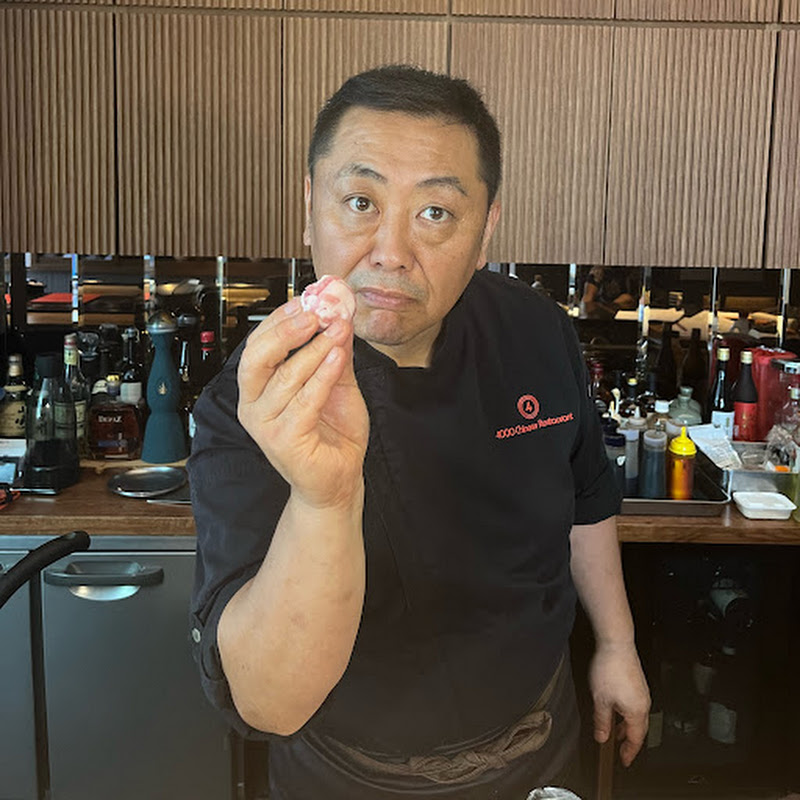
菰田欣也の中華教えちゃいます‼︎
7.2万人 subscribers ・ 中華
* Opens YouTube channel
* Subscriber count is as of article creation and may differ from the current number.
