

Recipe
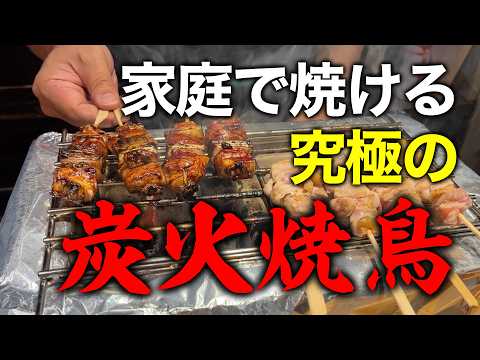
Ultimate Charcoal Yakitori at Home: Professional Guide
Ingredients
- Severalyakitori skewers (tare and salt)
- Ogacharcoal (sawdust briquettes), as needed
- Hardwoodcharcoal (for lighting), a small amount
- Salt,to taste
- Aluminumfoil, as needed
About "Charcoal-Grilled Yakitori"
A professional yakitori chef explains how to grill authentic charcoal yakitori at home using a diatomaceous earth BBQ grill. Learn pro tips from lighting Oga charcoal to grilling salt and tare (sauce) skewers, and how to tell when they are perfectly done. Master the technique of using far-infrared reflective heat to thoroughly cook thick cuts of chicken.
Introduction to 【野乃鳥】野網厚詞の鳥、まるごと。 →
Tips for Making "Charcoal-Grilled Yakitori"
-
Grill Selection
- Choosing a diatomaceous earth BBQ grill generates far-infrared reflective heat, boosting heat intensity for professional-level results at home.
-
Charcoal Prep
- Oga charcoal is ideal for yakitori as it retains heat and burns stably. Use hardwood charcoal for lighting and Oga charcoal as the main fuel.
-
Lighting Fire
- Keep the grill's ventilation holes open, focus a gas torch on a single spot to create a starter fire, and let it spread.
-
Charcoal Layout
- Arrange Oga charcoal in the center and lean the side pieces at an angle to improve airflow for even grilling.
-
Grilling Technique
- Press the base of the meat against the edge of the grate to heat evenly until plump. Stand skewers up to let excess heat escape.
-
Seasoning
- For rich, flavorful chicken, season generously with salt to balance and enhance the natural deliciousness of the meat.
-
Checking Doneness
- The moment the skewer feels lighter indicates excess moisture has evaporated. Also check for firmness by touch.
-
Grill Maintenance
- Covering the edges of the diatomaceous earth grill with aluminum foil prevents stains from sauce and fat, keeping it clean.
Ingredients for "Charcoal-Grilled Yakitori"
5 items* Tap ingredient names to find on Amazon
How to Make "Charcoal-Grilled Yakitori"
- 1
Setting Up the Grill
Fully open the ventilation holes at the bottom of the diatomaceous earth BBQ grill. Cover the edges of the grill with aluminum foil, then place a professional-grade yakitori grate on top. This concentrates the far-infrared reflective heat inward, creating a professional grilling setup at home.
- 2
Preparing to Light the Charcoal
Place the hardwood charcoal for lighting in the grill. Stack Oga charcoal on top, or use previously used, dry Oga charcoal as a starter. Previously burned charcoal has no moisture left, making it extremely easy to light and perfect as a starter.
- 3
Lighting the Charcoal
Use a gas torch to focus the flame on a single spot of the charcoal to create a starter fire. Once lit, gradually spread the fire to the rest of the charcoal. Arrange the charcoal imagining the air flowing from the bottom to the top.
- 4
Final Charcoal Arrangement
Once the Oga charcoal is lit, arrange it in the center of the grill. Lean the charcoal on both sides slightly at an angle to improve airflow. Ensure a strong fire is established in the center and on both sides to prepare for even grilling.
- 5
Grilling Tare (Sauce) Skewers
Place the tare skewers, such as negima, on the grate. Grill them over high charcoal heat, allowing the sauce to slightly caramelize and char for a savory aroma. Aim for a finish where the meat plumps up and the sweet-savory sauce perfectly matches the charcoal aroma.
- 6
Grilling Salt Skewers
Place the salt skewers on the grate. Press the base of the meat against the edge of the grate to ensure even heat distribution. Premium chicken like Banshu Hyakunichi-dori takes a bit longer to cook through, so stand the skewers up to let excess heat escape while grilling slowly.
- 7
Checking the Doneness
When the meat plumps up, it is a sign that the juices are locked inside. Overcooking will cause the meat to shrink and toughen, so determine doneness by touching it to check for firmness. The moment the skewer feels lighter when lifted is the sign that it is done.
- 8
Finishing with Salt
For chicken with a rich, deep flavor, applying a generous amount of salt will balance well without making it overly salty. The professional approach is to season boldly with salt to bring out the natural deliciousness of the meat.
Food Science
The far-infrared radiation emitted by charcoal quickly sears the surface of the meat, locking in moisture to keep it juicy. High-temperature cooking also triggers the Maillard reaction between the proteins in the meat and the sugars in the sauce, generating the signature savory aroma of yakitori. Additionally, pre-salting draws out excess surface moisture, concentrating the umami while preventing rapid protein shrinkage from heat, which improves the overall texture.
Detailed Commentary on "Charcoal-Grilled Yakitori"
* Content organized by topics from the video.
Passion for Charcoal Yakitori & Authentic Grills
Mr. Noami, the representative of 'Nonotory' with nearly 28 years of experience in the yakitori industry, introduces the ultimate way to grill charcoal yakitori at home. While the previously featured home gas grill 'Aburiya' was well-received, nothing beats charcoal for authentic yakitori. For this setup, Mr. Noami recommends a BBQ grill from Kinka Co., Ltd. (priced around 10,000 to 20,000 yen). The defining feature of this grill is its diatomaceous earth interior. Diatomaceous earth has exceptionally high heat insulation properties, generating powerful far-infrared reflective heat. This reflective heat significantly boosts the 'heat intensity' of the charcoal, allowing you to grill professional-grade yakitori at home. Adding a professional-grade yakitori grate completes this authentic setup.
Charcoal Lighting Basics & Oga Charcoal Benefits
When lighting charcoal, it is crucial to fully open the ventilation holes at the bottom of the grill. Air flowing from underneath feeds oxygen to the charcoal, making it easier to light. The charcoal used here is Oga charcoal (sawdust briquettes), which is widely available at home improvement stores. To save time, we reuse Oga charcoal that was burned once the previous day. Previously used charcoal has no moisture left, making it highly flammable and perfect as a starter. When arranging the charcoal in the grill, place the briquettes with their holes facing vertically, imagining the air flowing from bottom to top. The key to lighting is using a gas torch to focus the flame on a single spot to create a starter fire, then letting it spread. Oga charcoal, made of compressed sawdust, retains heat exceptionally well and provides a highly stable, easy-to-manage fire once lit.
Arranging Charcoal for Perfect Grilling
Cheap hardwood charcoal commonly sold at home improvement stores lights easily, but while it works for thin cuts of meat like yakiniku, it lacks the sustained heat intensity needed to thoroughly cook thick yakitori skewers. Therefore, it is recommended to use hardwood charcoal just for lighting and use Oga charcoal as the main fuel source. While professionals use premium Binchotan charcoal, Oga charcoal is more than enough to achieve delicious results at home. Once the charcoal is lit, arrange the Oga charcoal in the center of the grill. Leaning the side charcoal slightly at an angle improves airflow, helping the fire build. As shown in previous training videos, establishing a strong fire on both sides and distributing heat to the center prepares the grill for cooking yakitori evenly and beautifully.
Grill Setup & The Aluminum Foil Hack
Because the grill is lined with diatomaceous earth, the far-infrared reflective heat concentrates inward, preventing heat from escaping outward. Here, Mr. Noami shares a pro hack: covering the edges of the grill with aluminum foil. When grilling yakitori, sauce and fat dripping directly onto the diatomaceous earth can cause stubborn stains that are difficult to clean. Lining it with foil keeps the grill pristine. Joking about his 'beloved aluminum foil,' Mr. Noami notes that any standard foil works fine. By covering the edges with foil and placing a professional-grade grate on top, you complete a highly functional, authentic grilling setup that rivals professional equipment.
Grilling Ultimate Tare Negima & Beer Toast
Using the custom grill setup, we start by grilling the tare negima (chicken and scallion skewers). The intense heat of the charcoal slightly chars the sauce, creating a wonderful, smoky aroma. Once the negima is plated, we pour a cold beer and say 'Cheers!' to wet our whistles. Tasting the freshly grilled skewers, the smoky aroma unique to charcoal and the juicy flavor of the chicken fill the mouth. 'This is the ultimate flavor you can achieve at home!' and 'Delicious!' are heard all around. The sweet-savory sauce and charcoal aroma pair perfectly, making it an incredible match for beer. Grilling and eating them piping hot on the spot offers a luxurious way to enjoy the true essence of yakitori at home.
Secrets of Salt Skewers & Premium Chicken
Next, we grill the salt-seasoned yakitori. The trick here is to press the base of the meat against the edge of the grate to ensure even heat distribution. When the meat plumps up, it indicates that the juices are locked inside. Premium chicken like the Banshu Hyakunichi-dori used here takes a bit longer to cook through, so stand the skewers up to let excess heat escape while grilling slowly. Overcooking will shrink and toughen the meat, so check for firmness by touch to judge the doneness. For the finishing salt, the professional approach is to season boldly because the meat has a robust flavor. When using high-quality chicken with deep umami, a generous amount of salt will not make it overly salty; instead, it beautifully highlights the natural flavor of the meat.
Self-Grilling Event & Spotting Doneness
A key indicator of perfect doneness is the moment the skewer feels 'suddenly lighter' when lifted. This is the sign that excess internal moisture has evaporated, bringing you one step closer to a professional yakitori chef. Mr. Noami announces an upcoming event starting in late April at the terrace of 'Nonotory Stand Akasaka-Mitsuke' in Tokyo, where customers can enjoy a 'self-grilling' experience set (complete with instructional videos) using this exact grill setup. Professional chefs will offer guidance, and guests can compare their own grilled skewers with those made by pros. The video wraps up in a friendly atmosphere with the staff joking, 'Let's finish filming quickly so we can drink beer,' celebrating the ultimate pairing of yakitori and cold beer.
About 【野乃鳥】野網厚詞の鳥、まるごと。
【野乃鳥】野網厚詞の鳥、まるごと。
7,210人 subscribers ・ 焼き鳥
* Opens YouTube channel
* Subscriber count is as of article creation and may differ from the current number.
