

Recipe
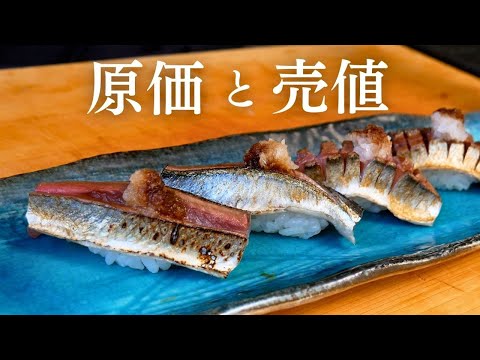
[Cost Breakdown] Cost & Selling Price of Pacific Saury Sushi! Explained by a Sushi Chef
Ingredients
- 1Pacific saury (cost: 550 yen incl. tax)
- Salt,a pinch
- 1/6Daikon radish
- Soysauce, to taste
About "Pacific Saury Nigiri Sushi"
A detailed guide to making Pacific Saury (Sanma) Nigiri Sushi, featuring a cost breakdown. Learn professional prep techniques like scaling, filleting (Daimyo-oroshi), belly bone removal, salt dehydration, and deboning, along with a seared soy sauce finish and gentle shaping tips. This practical recipe by a professional sushi chef shows how a single fish costing 550 yen is transformed into pieces priced at 410 yen each.
Introduction to 蒼の鮨 sushi-chef ao →
Tips for Making "Pacific Saury Nigiri Sushi"
-
Prep
- Gently slide the knife horizontally to remove scales and slime, preventing the skin from tearing.
-
Prep
- Work quickly when removing viscera to maintain freshness. Scrape away the bloodline and check for parasites like Anisakis.
-
Prep
- Thoroughly wipe off moisture with paper towels to prevent spoilage.
-
Prep
- Removing the pelvic fins before filleting makes the process much easier for beginners.
-
Prep
- Slice off the belly bones in one clean stroke using a long knife for a beautiful finish.
-
Prep
- Salt the fish and let it dehydrate for 15 minutes, then wipe off excess moisture to concentrate the umami.
-
Prep
- Hold the fillet between your thumb and index finger while using tweezers to locate and pluck bones efficiently.
-
Cooking
- Make one decorative cut down the center and fine crosswise cuts to make any remaining tiny bones easy to chew.
-
Cooking
- Sear with soy sauce right before shaping to maximize the aroma for your guests.
-
Cooking
- Shape the sushi gently and carefully to avoid damaging the delicate skin of the saury.
Ingredients for "Pacific Saury Nigiri Sushi"
4 items* Tap ingredient names to find on Amazon
How to Make "Pacific Saury Nigiri Sushi"
- 1
Remove scales and slime
Gently slide the knife horizontally to remove the scales and slime. Do not apply too much pressure, as this can tear the delicate skin.
- 2
Remove the head and viscera
Cut off the head and remove the viscera. Work quickly to prevent the fish's temperature from rising due to hand contact, which degrades freshness. Scrape away the bloodline inside the cavity with your knife and visually inspect for parasites like Anisakis.
- 3
Wipe off moisture
After washing, thoroughly wipe off any moisture with paper towels. Since moisture causes fish to spoil quickly, make sure to dry the inside of the cavity completely.
- 4
Remove the pelvic fins
Before filleting, remove the pelvic fins. Since the knife can easily catch on these fins and ruin the cut, beginners should remove them beforehand.
- 5
Fillet the fish (Daimyo-oroshi)
Make a small cut near the tail, then slide the knife along the backbone all the way to the tail in one smooth motion to fillet.
- 6
Remove the belly bones
Since the belly bones of Pacific saury are long, use a long knife to slice them off in one clean stroke rather than sawing back and forth.
- 7
Salt and dehydrate
Sprinkle a generous amount of salt over the fillets. Tilt the tray so the extracted moisture drains away, and let it sit for about 15 minutes. Wipe off the excess moisture with paper towels to concentrate the umami.
- 8
Remove remaining bones with tweezers
Hold the fillet between your thumb and index finger while using fish tweezers to pluck out the remaining pin bones. This helps you work rhythmically and smoothly. Finally, run your finger over the flesh to ensure no bones remain.
- 9
Prepare grated daikon radish
Prepare grated daikon radish as a condiment. Use about 1/6 of a daikon radish per fish. Grated daikon is the classic, perfect pairing for Pacific saury.
- 10
Slice the fish and make decorative cuts
Discard the tail section as it is too fibrous, and use only the best parts for the sushi. After slicing the topping (neta), make one decorative cut down the center, followed by fine crosswise cuts. This ensures any tiny remaining bones are easy to chew.
- 11
Sear with soy sauce
Arrange the sliced fish on a plate and lightly brush the surface with soy sauce. Use a kitchen torch to sear it quickly until the surface is crispy and fragrant. Searing right before shaping allows the aroma to burst forth.
- 12
Shape gently
Place the seared fish on the sushi rice (shari) and shape it gently without applying too much pressure. Squeezing too hard can tear the delicate skin, ruining the presentation.
- 13
Finish and serve
Place a neat dollop of grated daikon on top of the sushi, brush with a touch of soy sauce, and serve. The selling price at my restaurant is 410 yen per piece (tax included).
Food Science
Salting Pacific saury draws out excess moisture and odor-causing compounds through osmosis, firming up the flesh and concentrating its umami. Additionally, the abundant inosinate in saury combines with the glutamate in soy sauce to create an umami synergy, resulting in a much stronger and deeper flavor profile on the palate.
Detailed Commentary on "Pacific Saury Nigiri Sushi"
* Content organized by topics from the video.
Scaling and Prepping Pacific Saury for Freshness
We will make nigiri sushi using Pacific saury (sanma), a true taste of autumn. The fish we are using today costs 550 yen (tax included) wholesale. First, gently remove the scales and slime with a knife. If you press too hard, the skin will tear, which is incredibly disheartening. Instead, slide the knife horizontally without applying pressure. Next, cut off the head and remove the viscera. While this dirties the cutting board, the key is to work quickly in a streamlined process. The longer you handle the fish, the more its temperature rises from your hands, which degrades its freshness. Once the viscera are out, scrape away the bloodline inside the cavity. Be sure to visually inspect the cavity for any abnormalities or parasites like Anisakis.
Drying the Fish and Filleting Tips
After washing, thoroughly wipe off any moisture with paper towels. Moisture is a major cause of spoilage, so make sure to dry the inside of the cavity completely. Once dry, we will move on to Daimyo-oroshi, a filleting technique ideal for slender fish like saury. The secret to a clean cut is to remove the pelvic fins beforehand. In my experience teaching cooking classes, many students fail because their knife gets caught on these fins. Experienced chefs can fillet without removing them, but I highly recommend this step for beginners. Don't worry if you gouge the flesh slightly; you can trim and shape it later when removing the belly bones. Make a small cut near the tail, slide the knife along the backbone, and pull it through to the tail in one smooth motion.
Belly Bone Removal, Salting, and Deboning
Next, remove the belly bones. Since saury belly bones are long, use a long knife to slice them off in one clean stroke rather than sawing back and forth. After that, sprinkle salt over the fillets to dehydrate them. Since saury is traditionally salted and grilled, don't worry about being a bit generous with the salt. Tilt the tray so the extracted moisture drains away, and let it sit for about 15 minutes. Then, place the fillets on paper towels and wipe off the excess moisture to concentrate the umami. Next, use fish tweezers to pluck out the remaining pin bones. Holding the fillet between your thumb and index finger helps you locate the bones easily so you can pluck them smoothly and rhythmically. Finally, run your finger over the flesh to double-check.
Grated Daikon and Precise Slicing
For the condiment, we will prepare grated daikon radish. You will need about 1/6 of a daikon per fish. While there are many toppings that pair well with saury, grated daikon is the undisputed classic loved by everyone. It is fun to get creative with unusual ingredients, but when the quality of the fish is superb, serving it with a classic pairing allows customers to truly appreciate its natural flavor. Next, we will slice the fish for sushi. The tail section is fibrous and chewy, so we don't serve it to customers; I usually eat it myself. Use only the best, most delicious parts for the nigiri. After slicing, make one decorative cut down the center, followed by fine crosswise cuts. Since saury bones are long, this scoring technique ensures that even if a tiny bone remains, it will be easy to chew.
Searing with Soy Sauce and Gentle Shaping
Today, we will finish the saury with a seared soy sauce technique. Arrange the sliced fish on a heatproof plate and lightly brush the surface with soy sauce. Using a kitchen torch, sear the surface quickly until it is crispy and fragrant. Searing right before shaping ensures that the rich, roasted aroma of soy sauce wafts up the moment the sushi is served, engaging all of the customer's senses. Once seared, it's time to shape the sushi. The most important rule when shaping saury nigiri is not to squeeze too hard. Squeezing too tightly will tear the delicate skin and ruin the presentation, so focus on shaping gently and carefully. The way you make your decorative cuts can completely change the look of the sushi, making this a very rewarding technique to master. Place a neat dollop of grated daikon on top of the shaped rice, brush with a touch of soy sauce, and it's ready.
Pricing and the Rise of Saury as a Luxury Fish
Finally, let's talk about the selling price of this Pacific saury nigiri. From one fish costing 550 yen (tax included), we get four pieces of nigiri after discarding the tail. At my restaurant, we price this at 410 yen per piece (tax included). Of course, pricing varies widely depending on location, branding, and overhead; some high-end restaurants charge over 1,000 yen per piece. Saury requires meticulous prep and deboning, and it is incredibly delicate—it tastes best the day it is caught and does not keep well at all. While it was once known as a cheap, everyday fish for the common people, wholesale prices have skyrocketed in recent years, turning it into a luxury fish. Prepared with time and care, this nigiri combines melt-in-your-mouth fatty richness with the smoky aroma of seared soy sauce, making it a supreme autumn delicacy.
About 蒼の鮨 sushi-chef ao

蒼の鮨 sushi-chef ao
3.2万人 subscribers ・ 和食/寿司
* Opens YouTube channel
* Subscriber count is as of article creation and may differ from the current number.
