

Recipe
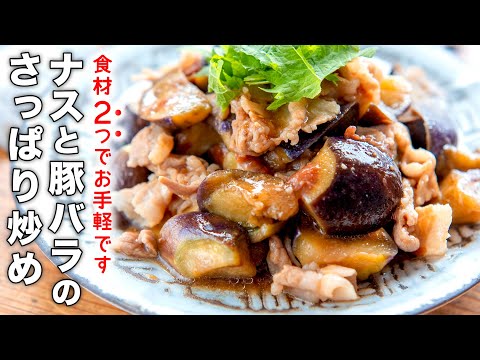
The Only Recipe You'll Want to Make with Eggplant and Pork Belly | Easy Refreshing Stir-Fry
Ingredients
- 150gpork belly
- 3eggplants
- 3shiso leaves
- 2tbsp oil
- Apinch of salt (for seasoning) + 2 pinches (for saltwater)
- Apinch of pepper
- 1tsp potato starch
- 1tbsp sake (for seasoning pork) + 2 tbsp sake (for sauce)
- 1umeboshi (pickled plum, preferably shiso-flavored, 10g)
- 1tbsp soy sauce
- 1/2tbsp sugar
- 1/2tbsp vinegar
About "Refreshing Eggplant and Pork Belly Stir-Fry with Umeboshi"
This is a refreshing stir-fry featuring eggplant and pork belly with umeboshi (pickled plum). The key steps are soaking the eggplant in saltwater to reduce oil absorption and coating the pork belly in potato starch to keep it juicy. The refreshing tartness of umeboshi harmonizes beautifully with the sweet and savory flavors of soy sauce and sugar, while the aroma of shiso leaves creates a perfect side dish that goes great with rice.
Introduction to 家族ごはん【料理家ぐっち夫婦の料理チャンネル】 →
Video Timestamps
Tips for Making "Refreshing Eggplant and Pork Belly Stir-Fry with Umeboshi"
-
Prep
- Soaking eggplants in saltwater causes their cells to shrink due to osmotic pressure, reducing oil absorption during stir-frying. The salt also removes bitterness.
-
Prep
- Thoroughly drying the soaked eggplants with paper towels prevents them from becoming soggy and keeps the sauce from getting watered down.
-
Seasoning
- Coating the pork belly with potato starch locks in the juices during cooking to keep it tender, while helping the sauce cling to the meat.
-
Cooking
- Cooking the eggplants and pork belly separately ensures both ingredients are cooked to their ideal textures.
-
Cooking
- Pre-mixing the sauce ingredients allows you to season the dish at the perfect moment during fast-paced stir-frying.
Ingredients for "Refreshing Eggplant and Pork Belly Stir-Fry with Umeboshi"
12 items* Tap ingredient names to find on Amazon
How to Make "Refreshing Eggplant and Pork Belly Stir-Fry with Umeboshi"
- 1
Prepare Saltwater and Soak Eggplants
In a bowl, mix water and 2 pinches of salt to make saltwater. Cut off the tough stem of the eggplants by slicing diagonally along the cap, then cut them into bite-sized pieces using the roll-cut method (wedges). Soak the cut eggplants in the saltwater for about 10 minutes, placing a paper towel on top to keep them submerged and ensure they absorb the water evenly.
- 2
Mince the Umeboshi
Mince the umeboshi on a cutting board lined with parchment paper. Using parchment paper prevents the board from getting stained red, making cleanup much easier.
- 3
Season the Pork Belly
Sprinkle a pinch of salt and black pepper over the cut pork belly, then drizzle with 1 tbsp of sake. Add 1 tsp of potato starch and massage it well into the meat.
- 4
Dry the Eggplants
Drain the eggplants in a colander and thoroughly pat them dry with paper towels. Even after returning them to the bowl, wipe each piece carefully.
- 5
Mix the Sauce Ingredients
In a bowl, combine the minced umeboshi paste, 2 tbsp sake, 1 tbsp soy sauce, 1/2 tbsp vinegar, and 1/2 tbsp sugar, and mix well.
- 6
Stir-Fry the Eggplants
Heat 2 tbsp of oil in a frying pan over medium heat, then add the eggplants. Toss quickly to coat them with oil, and stir-fry patiently over medium heat for about 4 minutes. Once they are browned and tender, transfer them to a tray.
- 7
Stir-Fry the Pork Belly
Add a small amount of oil to the same pan and stir-fry the seasoned pork belly, separating the pieces. Once the meat changes color, return the eggplants to the pan.
- 8
Add Sauce and Finish
Pour in the pre-mixed sauce all at once and stir-fry quickly over high heat. Once the liquid reduces and coats everything, transfer to a plate, top with hand-torn shiso leaves, and serve.
Food Science
Combining the inosinate in pork with the glutamate found in soy sauce and eggplant creates a powerful umami synergy. Additionally, combining sugar (sweetness), soy sauce and salt (salty), and umeboshi and vinegar (sourness) balances the five basic tastes, creating a deep and complex flavor profile. Furthermore, coating the pork with potato starch locks in moisture, contributing to a juicy texture through effective moisture control.
Detailed Commentary on "Refreshing Eggplant and Pork Belly Stir-Fry with Umeboshi"
* Content organized by topics from the video.
The Appeal of Eggplant & Pork Belly Ume Stir-Fry
Hello everyone, I'm Shino. Today, we'll be making a Refreshing Eggplant and Pork Belly Stir-Fry with Umeboshi. When you hear 'ume stir-fry,' you might worry that it will be too sour or that kids won't like it. However, in this recipe, the savory umami of the eggplant combines with the sweet and savory flavors of soy sauce and sugar, balancing beautifully with the refreshing tartness of the umeboshi to create an incredibly appetizing dish that goes perfectly with rice. It's also an excellent side dish for summer somen noodles. While eggplants are notorious for soaking up too much oil during cooking, you can easily minimize oil absorption and keep things healthy and delicious with one simple trick. I'll share this technique in detail in the video, so please enjoy watching until the end!
Ingredients for Two and the Role of Shiso & Ume
Now, let's look at the ingredients. This recipe makes two servings. You will need 2 eggplants, 150g pork belly, 1 umeboshi (we are using shiso-flavored umeboshi here) weighing about 10g, and 3 shiso leaves for the topping. Supermarkets usually carry shiso-flavored and honey-sweetened umeboshi, but we are using shiso-flavored today to take full advantage of its clean, sharp acidity. You might think shiso leaves are optional, but they elevate the freshness of the dish significantly. The rich flavors of the pork belly and eggplant, the refreshing tartness of the umeboshi, and the crisp aroma of the shiso leaves create a perfect harmony where each ingredient enhances the other. I highly recommend including them!
Saltwater Prep to Reduce Eggplant Oil Absorption
First, let's prep the eggplants. Add water and 2 pinches of salt to a bowl and mix well to make saltwater. While many people soak eggplants in plain water after cutting, soaking them in saltwater is actually a crucial step. The osmotic pressure draws moisture out of the eggplant cells, causing them to shrink slightly. This reduces the gaps inside the eggplant, making it harder for oil to penetrate during stir-frying. Not only does this cut down on calories by reducing oil absorption, but it also prevents the dish from becoming greasy. On top of that, the salt lightly seasons the eggplant and removes its natural bitterness—it's a fantastic technique that yields multiple benefits at once.
Roll-Cutting Tips and a Clean Board Ume Hack
Cut off the tough stem of the eggplants by slicing diagonally along the cap. Then, rotate the eggplant 90 degrees after each cut to make bite-sized roll-cut pieces. Since eggplant skin can be tough and slippery, tilting the tip of your knife slightly upward and pulling it toward you will give you clean, effortless cuts. Once cut, soak them in the saltwater for about 10 minutes. Since eggplants tend to float, cover them with a paper towel to keep them submerged. Next, we'll mince the umeboshi. If you chop it directly on the cutting board, it will stain it red. To avoid this, I recommend lining your board with parchment paper and chopping on top of it. Parchment paper is water- and oil-resistant, thicker than plastic wrap, and won't tear easily under a knife, keeping your board clean and making cleanup a breeze.
Seasoning and Potato Starch for Juicy Pork
Next, let's season the cut pork belly. Sprinkle a pinch of salt and pepper evenly over the meat. Then, drizzle 1 tbsp of salt-free cooking sake (I'm using Takara's 'Sake for Cooking' here) over it. Finally, add 1 tsp of potato starch and massage it well into the meat. Coating the meat with potato starch offers two major benefits. First, it creates a thin protective barrier on the surface of the meat, locking in the juices and umami during cooking so the pork stays tender and juicy without drying out. Second, as the potato starch heats up, it creates a light glaze that helps the sauce cling beautifully to both the pork and the eggplant, bringing the entire dish together.
Drying Eggplants and Pre-Mixing Sauce
As a final step before cooking, drain the eggplants that were soaking in saltwater and thoroughly wipe away all moisture using paper towels. Wipe any water left in the bowl as well, return the eggplants, and dry each piece individually. Skipping this step will result in soggy eggplants and a watered-down sauce. It might seem like a bit of extra effort, but it's a crucial step that determines the final texture and flavor. Additionally, make sure to pre-mix all the sauce ingredients. In a bowl, combine the minced umeboshi paste, 2 tbsp sake, 1 tbsp soy sauce, 1/2 tbsp vinegar, and 1/2 tbsp sugar. Stir-frying requires quick action, so mixing the sauce beforehand ensures you can season the dish at the perfect moment.
Perfect Heat Control and the Final Tasting
Heat 2 tbsp of oil in a frying pan over medium heat and add the eggplants first. Toss quickly to coat them with oil, then stir-fry patiently over medium heat for about 4 minutes. It might look like there isn't enough oil at first, but as you cook, the eggplants will release their own moisture and soften, so resist the urge to add more oil. Once they are browned and tender, transfer them to a tray. Cooking the ingredients separately ensures both are cooked to perfection. Next, add a tiny bit of oil to the same pan and stir-fry the seasoned pork belly, separating the pieces. Once the meat changes color, return the eggplants to the pan, pour in the pre-mixed sauce all at once, and stir-fry quickly over high heat. Once the liquid reduces and coats everything, plate the dish, top with hand-torn shiso leaves, and enjoy. The eggplants are melt-in-your-mouth juicy, and the sweet-savory sauce with the refreshing umeboshi is so delicious you won't be able to stop eating!
About 家族ごはん【料理家ぐっち夫婦の料理チャンネル】

家族ごはん【料理家ぐっち夫婦の料理チャンネル】
11.5万人 subscribers ・ 家庭料理
* Opens YouTube channel
* Subscriber count is as of article creation and may differ from the current number.
