

Recipe
The Ultimate Chicken Breast Shabu-Shabu: Ex-Pro Boxer Chef's Secret to Staying Fit for 40 Years!

Ingredients
- 300gchicken breast
- 4napa cabbage leaves
- 1/2Japanese leek (negi)
- 1piece ginger
- 1/2pack shimeji mushrooms
- 200gwater (for brine)
- 10gsalt (for brine)
- 10gsugar (for brine)
- 0.5gbaking soda
- 500gwater (for soup)
- 1tbsp chicken bouillon powder
- 1tsp Hondashi (instant dashi powder)
- 1/3tsp salt (for soup)
- 1tbsp ponzu
- 1tsp lemon juice
- 3drops sesame oil
About "Chicken Breast Shabu-Shabu"
Ex-pro boxer chef reveals his secret to staying in shape for 40 years: Chicken Breast Shabu-Shabu. By soaking the chicken in the Morita-style mild alkaline brine, the usually dry chicken breast becomes scientifically tender and juicy. With low-temperature control and a synergistic umami effect, this zero-carb hot pot is incredibly delicious and perfect for dieting. It's the ultimate healthy dish that boosts metabolism with the warming effects of ginger and rich dietary fiber.
Introduction to 予約7年待ち「肉の鬼才」森田隼人の料理研究所 →
Tips for Making "Chicken Breast Shabu-Shabu"
-
Prep
- Make the Morita-style mild alkaline brine, break the muscle fibers with a fork, and marinate the 3mm-sliced chicken breast in the fridge for 20 minutes. Adding a small amount of baking soda expands the fibers, dramatically improving moisture retention.
-
Prep
- When removing the chicken breast from the fridge, thoroughly wipe off the brine with paper towels to completely prevent scum from forming in the pot.
-
Heat control
- Chicken fat has a low melting point and escapes above 65°C (149°F). Keep the heat between low and medium without boiling. The thinly sliced meat will cook instantly.
-
Seasoning
- Combining chicken bouillon powder and Hondashi in the soup creates a synergistic effect between glutamic, inosinic, and guanylic acids, multiplying the umami flavor eightfold.
-
Cooking method
- Steaming the vegetables first maximizes the natural sweetness and aroma of the napa cabbage, Japanese leeks, and ginger.
Ingredients for "Chicken Breast Shabu-Shabu"
16 items* Tap ingredient names to find on Amazon
- 300gchicken breast
- 4napa cabbage leaves
- 1/2Japanese leek (negi)
- 1piece ginger
- 1/2pack shimeji mushrooms
- 200gwater (for brine)
- 10gsalt (for brine)
- 10gsugar (for brine)
- 0.5gbaking soda
- 500gwater (for soup)
- 1tbsp chicken bouillon powder
- 1tsp Hondashi (instant dashi powder)
- 1/3tsp salt (for soup)
- 1tbsp ponzu
- 1tsp lemon juice
- 3drops sesame oil
How to Make "Chicken Breast Shabu-Shabu"
- 1
Make the Morita-Style Mild Alkaline Brine
In a bowl, combine 200g of water, 10g of salt, and 10g of sugar, mixing well. Add 0.5g of baking soda and dissolve. Adding too much baking soda can cause a distinct odor, so this precise, small amount is key. The salt coats the surface of the meat to lock in umami, the sugar binds protein with moisture, and the baking soda makes the meat mildly alkaline, expanding the muscle fibers to increase water absorption.
- 2
Prep the Chicken Breast
Check the direction of the muscle fibers in the chicken breast, and use a fork to pierce both sides perpendicular to the fibers. This allows the brine to penetrate quickly, shortening the soaking time. Next, slice the chicken diagonally into pieces about 3mm thick. Push the knife forward rather than pulling it back to cut cleanly and evenly without tearing the fibers.
- 3
Marinate the Chicken in the Brine
Pour the brine into a Ziploc bag and add the sliced chicken breast. Seal the bag without squeezing out the air, and let it rest in the refrigerator for 20 minutes. This scientific approach ensures that moisture is firmly retained within the meat's cells.
- 4
Prep the Vegetables
Tear the shimeji mushrooms into bite-sized clusters. Cut off the root of the napa cabbage and cut the leaves into bite-sized pieces. Cut the Japanese leek into finger-width pieces, making small slits so they absorb flavor easily. Scrape the skin off the ginger using a crumpled piece of aluminum foil, then slice it paper-thin (about 6 slices) so you can almost see through it.
- 5
Steam the Vegetables in the Pot
Arrange the prepared vegetables in the pot, standing the Japanese leeks upright. Add a small splash of water (priming water), cover, and steam slowly over medium heat. Steaming the vegetables first maximizes their natural sweetness and aroma. Steam for about 5 minutes initially, then steam for another 5 minutes.
- 6
Make the Soup
Pour 500g of water into a bowl, add 1 tbsp of chicken bouillon powder, 1 tsp of Hondashi, and 1/3 tsp of salt, and mix well to dissolve. This combination of soup bases creates a synergistic umami effect. Combining the three umami compounds—glutamic acid, inosinic acid, and guanylic acid—multiplies the umami flavor by up to eight times.
- 7
Pour the Soup into the Pot
Once the vegetables are steamed, pour enough of the prepared soup into the pot for shabu-shabu. The most important rule here is to never let it boil. Keep the heat between low and medium to warm the soup gently.
- 8
Pat the Chicken Dry
Remove the chicken breast from the Ziploc bag after resting for 20 minutes. The brine will be cloudy, which means the excess impurities and odor from the meat have been drawn out. Thoroughly pat the surface of the meat dry with paper towels. This extra step completely prevents scum from forming when added to the pot, allowing you to enjoy a crystal-clear, delicious soup until the very end.
- 9
Make the Dipping Sauce
Add 1 tsp of lemon juice to 1 tbsp of ponzu for a refreshing acidity. Add 3 drops of sesame oil to add a rich aroma. Mix well, and your special dipping sauce is ready.
- 10
Shabu-Shabu and Enjoy
Gently swish the chicken breast in the warm soup. It is ready to eat as soon as the color changes completely. Dip the cooked chicken and vegetables into the special sauce and enjoy. This healthy dish is perfect for dieting, boosting metabolism with the warming effects of ginger and rich dietary fiber.
Food Science
The salt, sugar, and baking soda in the brine alter the pH of the chicken breast, increasing its water-holding capacity so that moisture does not escape during cooking, resulting in a juicy finish. Additionally, combining the inosinic acid in the chicken and chicken bouillon with the glutamic and guanylic acids in the Hondashi and shimeji mushrooms creates a synergistic umami effect, giving the soup a deep, rich flavor.
Detailed Commentary on "Chicken Breast Shabu-Shabu"
* Content organized by topics from the video.
Ex-Pro Boxer Chef's Secret Weight-Loss Pot
The video begins with Morita, an ex-pro boxer turned chef, sharing his secret to staying in shape for 40 years. When a staff member mentions gaining weight due to a lack of exercise during winter, Morita responds, 'Diet and exercise are everything.' Following his previously introduced chicken tender recipe, he teaches us how to make the ultimate chicken breast hot pot using cheap, accessible chicken breast and the power of science to lose weight deliciously. Since a diet cannot be sustained if the food isn't tasty, Morita shares this special recipe that he perfected during his boxing days—a recipe you won't find anywhere else on the internet. This time, he teaches the professional technique of making chicken breast 'shabu-shabu' to achieve the most scientifically tender and delicious results.
The Science Behind Dry Chicken Breast
Many people dislike chicken breast because it becomes dry and tough when boiled. Morita explains the scientific reason behind this. Since chicken breast has almost no fat, heating it causes the proteins to contract tightly, squeezing out moisture like wringing a wet towel. This is the root cause of dryness. To solve this problem, Morita focused on three elements: 'enzymes,' 'pH,' and 'temperature.' By controlling these, you can dramatically tenderize the meat while retaining its moisture. Using a scientific approach unknown to most, we will make a magical marinating liquid called the 'Morita-style mild alkaline brine' to bring out umami that surpasses professional hot pots.
The Golden Ratio: Morita-Style Brine
We will make the 'Morita-style mild alkaline brine' to keep the chicken breast tender and hydrated. Start with 200g of water. Standard saltwater brines can actually draw out moisture and toughen the meat if soaked for too long. The golden ratio Morita discovered through years of research during his boxing days is a concentration of 'under 5%.' To 200g of water, add 10g of salt and 10g of sugar. Salt coats the surface of the meat to lock in umami, while sugar binds the meat's proteins with moisture. Finally, add just 0.5g of baking soda. Making the meat mildly alkaline expands the muscle fibers, allowing them to absorb plenty of water. Since too much baking soda causes a distinct odor, this precise, tiny amount is a professional secret.
Pro Prep Techniques for Tender Chicken
Next is prepping the chicken breast. First, check the direction of the muscle fibers and use a fork to pierce both sides perpendicular to the fibers. This allows the brine to penetrate deep into the meat quickly, drastically shortening the marinating time, which usually takes over 4 hours. Next, slice the meat diagonally into 3mm-thick pieces. Morita shares a professional tip: 'Push the knife forward to cut, rather than pulling it back.' Pushing the knife allows you to cut beautifully and evenly without tearing the fibers. Place the sliced meat and the brine into a Ziploc bag, seal it without squeezing out the air, and let it rest in the refrigerator for 20 minutes. This scientific approach firmly locks moisture into the meat's cells.
The Weight-Loss Trio: Steaming Veggies
While the meat is resting, prepare the 'Three Musketeers' of vegetables essential for this weight-loss hot pot. These are napa cabbage (rich in dietary fiber), Japanese leeks (containing allyl sulfide to improve blood circulation and cold sensitivity), and ginger (containing gingerol to raise body temperature and boost metabolism). We also prepare shimeji mushrooms to explode the umami flavor. Scrape the skin off the ginger using crumpled aluminum foil and slice it paper-thin. Roughly slice the napa cabbage diagonally, and make slits in the Japanese leeks to help them absorb flavor. Arrange these vegetables in the pot, add a small splash of water, cover, and steam slowly over medium heat. Steaming the vegetables first maximizes their natural sweetness and aroma.
8x Umami! Easy Soup and Pot Assembly
While the vegetables are steaming, make a quick and easy soup base using powdered dashi. In a bowl, combine 500g of water, 1 tbsp of chicken bouillon powder, 1 tsp of Hondashi, and 1/3 tsp of salt, mixing well to dissolve. This combination of soup bases is a scientific strategy to create a synergistic umami effect. Combining the glutamic acid from the soup, the inosinic acid from the chicken, and the guanylic acid from the shimeji mushrooms multiplies the umami flavor by up to eight times. When you open the pot lid, the wonderful aroma of the steamed vegetables rises, and the Japanese leeks are cooked thoroughly inside due to the 'chimney effect.' Pour in the prepared soup, but the most important rule here is 'never let it boil.' Keep the heat between low and medium.
No Scum! Drying and Temp Control Logic
Remove the chicken breast from the refrigerator after 20 minutes. The brine in the Ziploc bag will be cloudy, as the excess impurities and odor from the meat have dissolved into it. To prevent this cloudy liquid from entering the pot, Morita thoroughly wipes the surface of the meat with paper towels. This extra step completely prevents 'scum' from forming when added to the pot, allowing you to enjoy a crystal-clear, delicious soup until the very end. Chicken fat has a very low melting point; heating it continuously at high temperatures above 65°C (149°F) will cause all the fat to escape, making the meat tough. Therefore, the meat must be sliced thin to cook instantly, and the pot temperature must be kept low without boiling. This strict temperature control logic is what creates the ultimate tenderness with zero dryness.
Tasting with Special Lemon Ponzu Sauce
Finally, make the special dipping sauce. Simply mix 1 tbsp of ponzu with 1 tsp of lemon juice for a refreshing acidity, and add 3 drops of sesame oil for a rich aroma. Gently swish the chicken breast in the pot, dip it in the special sauce, and take a bite. Morita exclaims, 'Delicious!' The staff is also amazed, saying, 'Is this really chicken breast? It's not dry at all!' The shimeji mushrooms, which became plump from steaming, the sweet Japanese leeks, and the ginger are also exquisite. In closing, Morita reviews the five key points: 1) Morita-style mild alkaline brine, 2) shabu-shabu cut, 3) easy soup, 4) warming effect of ginger, and 5) strict temperature control. He concludes that this low-fat, high-protein, zero-carb hot pot is the ultimate weight-loss meal he has loved for 25 years.
About 予約7年待ち「肉の鬼才」森田隼人の料理研究所
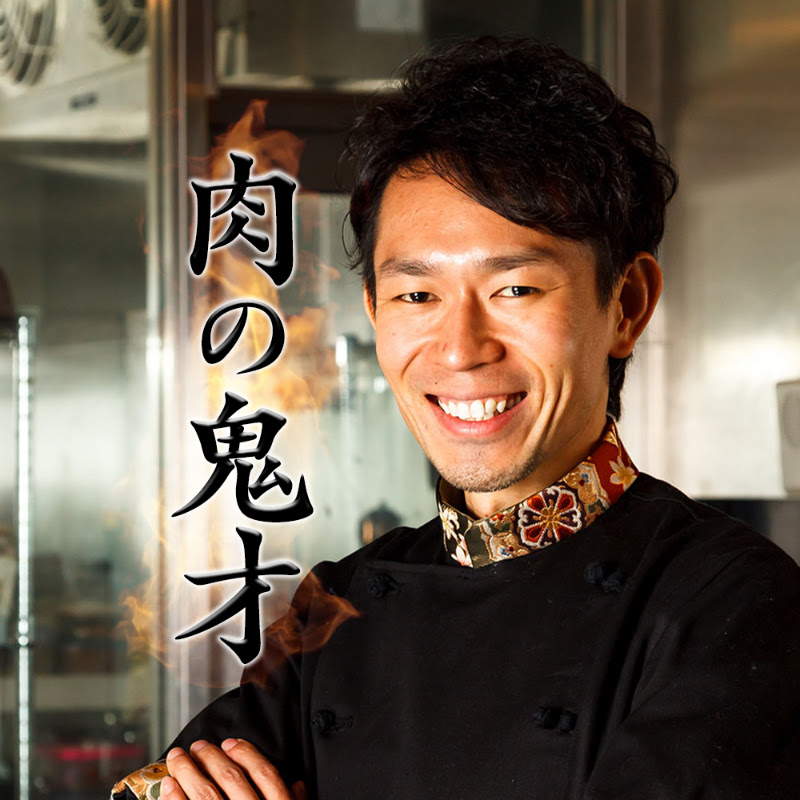
予約7年待ち「肉の鬼才」森田隼人の料理研究所
17.1万人 subscribers ・ 和牛・肉料理
* Opens YouTube channel
* Subscriber count is as of article creation and may differ from the current number.
