

Recipe
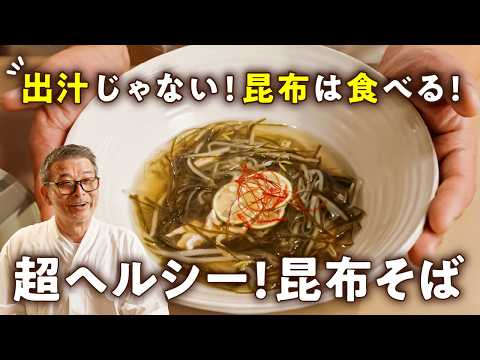
Don't Just Make Dashi, Eat It! Soba-Style Saomae Kelp Soup | Chef Nobuhiko Irie of Masago Saryo
Ingredients
- Beansprouts 100g
- Water(for bean sprouts) as needed
- Saomaekelp 10g
- Water(for Saomae kelp) 400ml
- Greenpart of a green onion 10cm
- Chickenbreast (skinless) 50g
- Hotwater (for blanching) as needed
- Mixeddashi (bonito and kelp) 400ml
- Soysauce 2 tsp
- Salt1/4 tsp
- Sudachicitrus (thinly sliced, for topping) 3 slices
- Shreddedred pepper (for topping) to taste
About "Soba-Style Saomae Kelp Soup"
This unique soup features "Saomae kelp" from Kushiro, Hokkaido, shredded into noodle-like strips instead of being used just for dashi, and paired with chicken breast, bean sprouts, and green onions. Created by Chef Nobuhiko Irie of the restaurant Masago Saryo, this is an innovative recipe for "eating kelp." Harvested early, Saomae kelp is thin and tender, rehydrating in just 5 minutes. Adding the soaking water to the mixed dashi creates a deeply flavorful soup. Topped with sudachi citrus and shredded red pepper, it offers a beautiful presentation and aromatic accent.
Introduction to Kurashiru [クラシル] →
Video Timestamps
Tips for Making "Soba-Style Saomae Kelp Soup"
-
Prep
- Soak the bean sprouts in water for 5 minutes to make them crisp. Arrange the Saomae kelp in a shallow tray, pour in water, and soak for just 5 minutes to soften. Be sure to save this soaking water as it is packed with umami and will be used as dashi later.
-
Slicing Kelp
- Cut the rehydrated kelp into thirds, stack them, and slice into fine strips using the full length of the knife blade in a smooth, sliding motion. If it is too slimy and slippery, you can roll it up to slice. The key is to cut it finely with the mindset of "making soba noodles."
-
Prep
- Finely shred the green part of the green onion to match the thickness of the kelp, and soak in water for 5 minutes if you mind the sliminess.
-
Prep
- Slice the chicken breast into thin strips along the grain, and blanch them quickly in boiling water with a pinch of salt in several batches. Do this in about three batches to prevent the water temperature from dropping. Blanching removes any gamey odor, and adding salt further reduces odor while locking in the umami.
-
Heat Control
- Combine the mixed dashi and 300ml of the kelp soaking water in a pot and heat over medium heat. Once boiling, add the Saomae kelp and blanched chicken breast, and cook until the chicken is cooked through.
-
Seasoning
- Since the kelp itself releases plenty of umami, you only need a minimal amount of soy sauce and salt to adjust the taste. Adjust the amounts to your preference.
-
Ingredients
- To let the delicate flavor of the kelp take center stage, use lean, skinless chicken breast instead of rich chicken thigh. Adding bean sprouts makes the green kelp stand out and enhances the color. Use the green part of the green onion intentionally, as the white part would get lost next to the bean sprouts.
Ingredients for "Soba-Style Saomae Kelp Soup"
12 items* Tap ingredient names to find on Amazon
- Beansprouts 100g
- Water(for bean sprouts) as needed
- Saomaekelp 10g
- Water(for Saomae kelp) 400ml
- Greenpart of a green onion 10cm
- Chickenbreast (skinless) 50g
- Hotwater (for blanching) as needed
- Mixeddashi (bonito and kelp) 400ml
- Soysauce 2 tsp
- Salt1/4 tsp
- Sudachicitrus (thinly sliced, for topping) 3 slices
- Shreddedred pepper (for topping) to taste
How to Make "Soba-Style Saomae Kelp Soup"
- 1
Place the bean sprouts and water in a bowl, soak for 5 minutes, then drain.
- 2
Arrange the Saomae kelp in a shallow tray, pour in 400ml of water, and soak for 5 minutes to soften. Remove the kelp and reserve the soaking water for later use.
- 3
Finely shred the green part of the green onion. If you mind the sliminess, soak it in water for 5 minutes.
- 4
Cut the rehydrated Saomae kelp into thirds, stack them, and slice into fine strips. Use the full length of the knife blade to slice smoothly.
- 5
Cut the chicken breast into thin strips along the grain.
- 6
Bring water to a boil in a pot and add a pinch of salt. Blanch the chicken breast in about 3 batches, and transfer to a strainer once the surface turns whitish.
- 7
In a separate pot, combine 400ml of mixed dashi and 300ml of the reserved kelp soaking water, and heat over medium heat.
- 8
Once boiling, add the shredded Saomae kelp and blanched chicken breast, and cook until the chicken is cooked through.
- 9
Add the bean sprouts and the green part of the green onion, and continue cooking over medium heat until the bean sprouts are cooked.
- 10
Add 2 tsp of soy sauce and 1/4 tsp of salt to season.
- 11
Remove from heat, ladle into a bowl, top with 3 slices of sudachi citrus and shredded red pepper, and serve.
Detailed Commentary on "Soba-Style Saomae Kelp Soup"
* Content organized by topics from the video.
Chef's Challenge: The Appeal of Saomae Kelp
Chef Nobuhiko Irie of the restaurant Masago Saryo joins us from a different kitchen studio today. This time, he is using "Saomae kelp," a specialty of Konbumori in Kushiro, Hokkaido, to create an exciting and unique dish. The packaging of this kelp is labeled "Honba no Honmono" (The Genuine Article of the Origin), a special designation awarded to only about 60 traditional, regional ingredients across Japan. Proudly showing off his "Kelp Certification," the chef proposes an innovative "soba-style" dish where the kelp is shredded and eaten like noodles, rather than just being used to make dashi. He shares this lesser-known, delicious way of eating kelp, packed with his signature culinary expertise.
Rehydrating Saomae Kelp & Fun Trivia
We begin by rehydrating our star ingredient, Saomae kelp. Arrange the kelp in a shallow tray and pour water over it. Since the kelp's rich umami dissolves into this soaking water, we will use it later as dashi. It is too good to waste, so make sure to save it. It takes only about 5 minutes to soften and become ready to eat. Here, the chef shares some trivia about the origin of the name "Saomae." In the traditional fishing method where floating kelp is hooked with a pole (sao) and pulled onto the boat, this kelp is harvested "before" (mae) the official pole-fishing season begins. Because it is harvested young, it is called "Saomae kelp." It is thin, tender, and cooks quickly, making it highly prized as an edible kelp.
Prepping Ingredients: Chicken & Green Onion
While the kelp is rehydrating, we prepare the other ingredients. First is the chicken. While rich chicken thigh is often preferred in Japanese cuisine, we use lean chicken breast here to let the delicate flavor of the kelp shine. Slice it carefully along the grain into thin strips to match the thickness of the kelp. Blanch the sliced chicken breast in boiling water with a pinch of salt. To prevent the water temperature from dropping, blanch it in about three batches, then transfer to a strainer and loosen. Next, cut the green onion in half and shred it extremely finely to match the kelp, then soak in water to remove any sliminess. Keep the bean sprouts in water until just before using to keep them crisp.
Like Making Soba: Secrets to Slicing Kelp
After 5 minutes, the fully rehydrated Saomae kelp is ready to be cut. First, cut the long kelp into thirds, stack them, and shred them. The chef shares that the secret is to cut with the mindset of "making soba noodles." Since kelp is slimy and slippery, you can roll it up to cut if it is too difficult. The key to fine shredding is to use the full length of the knife blade and slide it smoothly; this allows you to cut clean strips even with a slightly dull knife. The finished kelp looks just like beautiful soba noodles, and the chef lightens the mood with a pun, calling it "Kombu Mori Soba" (a play on the place name Konbumori and "a large serving of soba").
Preparing Dashi & the History of the Kelp Road
Now, we move on to the final steps. Pour the pre-made bonito dashi into a pot. Add the flavorful kelp soaking water we saved earlier. This soaking water is incredibly delicious and makes an excellent stock. While waiting for it to heat up, the chef shares a historical anecdote about the "Kelp Road." Over 90% of Japan's kelp is harvested in Hokkaido, yet kelp culture has spread to Kansai, Kanto, and even Okinawa. This is because during the Edo period, cargo ships called "Kitamaebune" distributed kelp nationwide. The dashi culture in Osaka and Kyoto, where no kelp is harvested, developed thanks to this Kelp Road from Hokkaido. Konbumori in Kushiro was the starting point of this journey, and the chef hopes you enjoy cooking while reflecting on this history.
Finishing & Plating the Soba-Style Soup
Once the dashi comes to a boil, add the shredded Saomae kelp to the pot. Next, add the blanched chicken breast and the drained bean sprouts. Adding white ingredients like bean sprouts makes the green kelp stand out and improves the overall color. Then, add the shredded green onion. While white green onion works, its presence would get lost next to the bean sprouts, so we intentionally use the green part here. Season with soy sauce and salt. Since the kelp itself releases plenty of umami, you only need a minimal amount of seasoning. Tasting it, the chef exclaims, "Delicious!" Ladle into a bowl, garnish with sudachi slices and shredded red pepper, and it is ready to serve.
Tasting: Firm, Non-Soggy Kelp Soba Noodles
The chef tastes the finished "soba-style" dish. Lifting the kelp with chopsticks and slurping it vigorously, he beams with a wide smile after the first bite, saying, "This is incredibly delicious!" While Saomae kelp is tender, it retains a crisp texture without getting soggy, giving you the sensation of eating firm soba noodles. Moreover, unlike real noodles, these "never get soggy," maintaining their chewy, smooth texture to the very last bite. Since the kelp's own flavor has infused the broth, the harmony between the soup and the kelp is outstanding, offering a luxurious taste as if you are "eating the ocean." He passionately explains the greatness of Saomae kelp as an edible ingredient rather than just leftover dashi scraps.
Bonus Recipe: Crispy Fried Kelp & Farewell
Here, the chef introduces a bonus recipe using leftover kelp: "Fried Kelp (Tempura)." Simply coat the rehydrated kelp in batter and fry until crispy; a sprinkle of salt makes it incredibly delicious. This time, the staff tasted a version coated with sesame seeds and loved it, calling it "Delicious!" It is perfect as a beer snack, can be dusted with sugar for a kid-friendly treat, or seasoned with Japanese pepper (sansho) or chili flakes (ichimi) for an adult twist. This is another wonderful way to enjoy "edible kelp." Finally, he mentions that the detailed recipe can be found on the Kurashiru app by searching for "Kushiro Saomae Kelp." He enthusiastically welcomes viewers to try their own creative recipes, saying, "I accept the challenge!"
About Kurashiru [クラシル]

Kurashiru [クラシル]
176万人 subscribers ・ 家庭料理/多ジャンル
* Opens YouTube channel
* Subscriber count is as of article creation and may differ from the current number.
