

Recipe
The Ultimate Simple Mushroom Rice: Unlocking 120% of the Umami
Ingredients
- 2cups rice (approx. 300g)
- 2packs maitake mushrooms (160g)
- 2packs shimeji mushrooms (200g)
- 2pinches salt (for seasoning mushrooms)
- 1pinch salt (for finishing)
- 1tbsp sake
- 1tbsp mirin
- 2–3gkombu (dried kelp)
- Water(up to the 2-cup line in the rice cooker)
About "Mushroom Rice (Kinoko Gohan)"
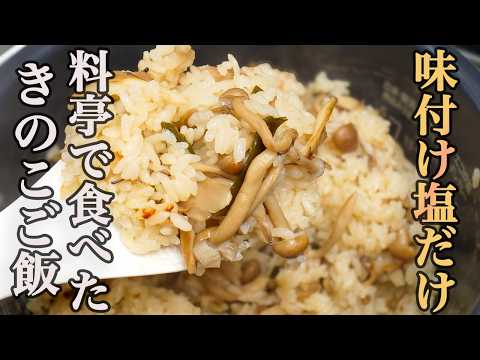
This ultimate mushroom rice features maitake and shimeji mushrooms slowly dry-roasted over low-medium heat to draw out their guanylic acid. Combined with kombu for an umami synergy and finished with a pinch of salt, this simple yet extraordinary dish shows how cooking techniques can transform mushroom flavor.
Tips for Making "Mushroom Rice (Kinoko Gohan)"
-
Prep
- Wash the rice gently 2–3 times using the palm-rubbing method. Do not wash until completely clear, and soak for at least 20 minutes to preserve umami.
-
Heat control
- Dry-roast the mushrooms slowly over low-medium heat without oil. This gently passes through the 60–70°C range, maximizing guanylic acid and umami.
-
Seasoning
- Deglaze the pan with sake and mirin to capture the caramelized mushroom bits, then combine with kombu's glutamic acid for an umami synergy.
-
Finishing
- Add a pinch of salt after cooking to sharpen the flavor profile and prevent the dish from tasting flat.
-
Cooking tips
- Never stir the mushrooms into the rice before cooking. Keep them layered on top to prevent uneven cooking and hard spots.
Ingredients for "Mushroom Rice (Kinoko Gohan)"
9 items* Tap ingredient names to find on Amazon
How to Make "Mushroom Rice (Kinoko Gohan)"
- 1
Wash and Soak the Rice
Rinse the rice quickly for the first wash and discard the water immediately. Gently wash the rice 2 to 3 times using the palm-rubbing method. Stop when the water is still slightly cloudy; washing until completely clear washes away the rice's natural sweetness and umami. Drain in a fine-mesh strainer and let it soak for at least 20 minutes.
- 2
Prep the Mushrooms
Tear the maitake mushrooms into bite-sized pieces by hand and place them directly into a frying pan. Remove the shimeji mushrooms from their package, cut off the base with kitchen shears (cutting them into 4 sections first makes this easier), then tear them apart by hand and add them to the pan.
- 3
Dry-Roast Slowly over Low-Medium Heat
Using a deep 28cm (11-inch) frying pan without any oil, cook the mushrooms slowly over low-medium heat. Cook for about 20 minutes until the moisture evaporates, the volume shrinks to about half, and they develop a beautiful golden-brown color. Do not add oil, as it transfers heat too quickly to draw out the umami, and do not add salt yet, as it draws out moisture along with the nutrients.
- 4
Season the Mushrooms and Transfer to a Bowl
Once the mushrooms have shrunk to half their size and are nicely browned, turn off the heat. Sprinkle with 2 pinches of salt to season, toss gently, and transfer them to a bowl.
- 5
Deglaze the Pan to Collect the Umami
While the pan is still warm, add 1 tbsp sake and 1 tbsp mirin. Use a spatula to scrape up all the browned bits stuck to the bottom of the pan. These caramelized bits are concentrated mushroom sugars and umami, which will create an incredible flavorful broth.
- 6
Prepare the Ingredients in the Rice Cooker
Place the soaked rice into the rice cooker inner pot, then pour in the deglazed broth. Slowly add water up to the 2-cup line, and give it a gentle stir.
- 7
Finely Snip and Add the Kombu
Use kitchen shears to finely snip 2 to 3g of kombu directly into the rice cooker. Combining the guanylic acid from the mushrooms with the glutamic acid from the kombu creates an incredible umami synergy, multiplying the flavor by 7 to 8 times.
- 8
Top with Mushrooms and Cook
Spread the reserved mushrooms evenly on top of the rice. Do not stir them in! Stirring creates gaps between the rice grains, leading to uneven cooking and hard spots. Start the rice cooker on the quick cook mode.
- 9
Tighten the Flavor with a Pinch of Salt
Once the rice is cooked, gently fold it from the bottom with a rice paddle, then sprinkle 1 pinch of salt over the top. This final pinch of salt sharpens the hidden umami of the rice and prevents the flavor from tasting flat. Close the lid and let it steam for 5 to 10 minutes.
- 10
Serving and Variations
Scoop into bowls and serve. While it is delicious as is, you can also top it with a few bonito flakes, a tiny splash of homemade noodle soup base (mentsuyu) or soy sauce, and a touch of wasabi. The bonito flakes add extra umami, while the refreshing kick of wasabi beautifully elevates the mushroom aroma.
Food Science
Roasting mushrooms evaporates excess moisture, concentrating their natural flavors while adding a savory aroma through the Maillard reaction. Additionally, combining the abundant guanylic acid in mushrooms with the glutamic acid in kombu triggers an umami synergy, dramatically boosting the overall flavor. Slowly heating the mushrooms through the optimal temperature range for umami enzyme activity is also key to unlocking their full potential.
Detailed Commentary on "Mushroom Rice (Kinoko Gohan)"
* Content organized by topics from the video.
The Importance of Proper Rice Prep and Soaking
We will make this delicious mushroom rice using 2 cups of rice. First, let's start with washing the rice. Since dry rice easily absorbs the smell of rice bran, discard the very first rinse immediately. Next, gently rub the grains together using the "ogami-arai" (palm-rubbing) method 2 to 3 times. It is perfectly fine if the water remains slightly cloudy. Washing it until completely clear strips away the rice's essential umami. Drain the washed rice in a strainer and let it sit for at least 20 minutes to soak. Allowing the moisture on the surface to slowly penetrate to the core ensures the rice cooks up plump and tender without any hard centers.
No Knife Needed! Easy Mushroom Prep
Today's star ingredients are 2 packs of maitake and 2 packs of shimeji mushrooms. We won't be using a knife or cutting board at all. Simply tear the maitake into bite-sized pieces by hand and place them in the pan—aim for a size that is easy to eat with the rice. For the shimeji, remove them from the package and snip off the base with kitchen shears. Dividing them into four sections first makes it much easier to cut. Then, pull them apart by hand and add them to the pan. Mushrooms spoil easily, and it can be hard to tell just by looking. If you don't plan to use them within a few days of buying, it is highly recommended to prep and freeze them immediately, which actually boosts their umami!
Dry-Roasting: The Key to Maximum Umami
The most crucial step is to cook the mushrooms in a deep 28cm (11-inch) frying pan without any oil. Keep the heat at low-medium rather than high. Guanylic acid, the key umami compound in mushrooms, is activated when heated, particularly around 60°C to 70°C (140°F to 158°F). If you use oil and high heat, the temperature rises too quickly, preventing the umami from fully developing. Also, avoid adding salt at the beginning to draw out moisture; doing so washes away the umami and nutrients. By dry-roasting slowly without oil or salt, the mushrooms will sweat, shrink, and concentrate their flavors. Leave them undisturbed until they develop a beautiful golden-brown color.
Deglazing: Scraping Up Every Bit of Flavor
After dry-roasting for over 10 minutes, the mushrooms will shrink to about half their size and develop a lovely color. Turn off the heat, sprinkle with 2 pinches of salt to season, toss lightly, and transfer them to a bowl. You will notice browned bits stuck to the bottom of the pan—this is caramelized mushroom sugar and umami. To capture this flavor, add 1 tbsp sake and 1 tbsp mirin while the pan is still warm. If the pan has cooled down, warm it slightly over low heat while scraping the bottom with a spatula. This technique, known as "deglazing" in French cuisine, creates an incredible, rich umami broth.
Umami Synergy: Adding Kombu to the Rice Cooker
Place the soaked rice into the rice cooker inner pot and pour in the deglazed broth first. Slowly add water up to the 2-cup line and stir gently. Next, use kitchen shears to finely snip 2 to 3g of kombu directly into the pot. Combining the guanylic acid from the mushrooms with the glutamic acid from the kombu creates an umami synergy that multiplies the deliciousness by 7 to 8 times! Finally, spread the cooked mushrooms evenly over the rice. Do not stir them in. Stirring creates gaps between the grains, which causes uneven cooking and hard spots. Once ready, start the rice cooker on the quick cook mode.
The Finishing Touch: A Pinch of Salt
Once the rice is cooked, open the lid immediately. You will be greeted by a rich, deep mushroom aroma that fills the room—a fragrance you can't get from standard cooking methods. Gently fold the rice from the bottom with a paddle, then sprinkle 1 pinch of salt over the entire surface. This finishing salt is incredibly important; it sharpens the profile of the rice's natural sweetness and prevents the flavor from tasting flat. After adding the salt, give it a quick toss, close the lid, and let it steam for 5 to 10 minutes. Mixing and then steaming ensures the temperature and moisture are evenly distributed, resulting in perfectly plump grains.
Tasting and Flavor-Boosting Variations
Scoop the rice into a bowl, and your simple yet ultimate mushroom rice is ready! One bite reveals an elegant, deep flavor reminiscent of the final course at a high-end traditional Japanese restaurant. Even though we used minimal seasonings—just salt, sake, mirin, and kombu—the rice is packed with rich depth from the slowly roasted mushrooms. While it is absolutely spectacular on its own, you can also try a fun variation. Top the rice with a few bonito flakes, a tiny drizzle of homemade mentsuyu (or soy sauce), and a touch of wasabi. The extra umami from the bonito and the refreshing kick of wasabi elevate the mushroom aroma to a whole new level.
About 食事処さくらの料理教室

食事処さくらの料理教室
101万人 subscribers ・ 家庭料理
* Opens YouTube channel
* Subscriber count is as of article creation and may differ from the current number.
