

Recipe
[Pro Yakitori Chef Explains] Grilling Restaurant-Quality Yakitori at Home with Iwatani's Aburiya
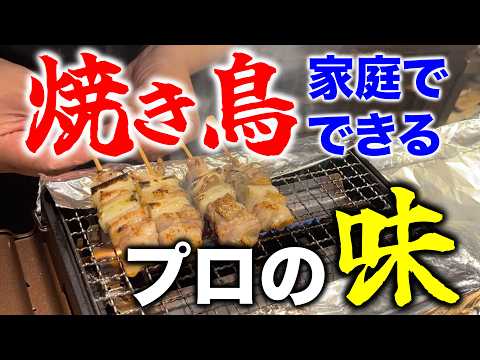
Ingredients
- Chickenbreast (for salt grilling)
- Negima(chicken and scallion skewers)
- Chickenthigh (for sauce grilling)
- Seseri(chicken neck)
- Chickenwings
- Bonjiri(chicken tail)
- Salt
- Yakitorisauce (secret sauce)
- Water
- Vinegar
- Aluminumfoil
About "Yakitori (Chicken Breast, Negima, Thigh, Neck/Seseri, Wings, Tail/Bonjiri)"
A professional chef with 27 years of experience shares how to grill authentic yakitori at home using the Iwatani Aburiya grill. Learn pro techniques like using aluminum foil to trap heat, brushing vinegar to prevent sticking, and dunking skewers in sauce to achieve plump, juicy results. This guide covers grilling methods and doneness checks for breast, negima, thigh, and more.
Introduction to 【野乃鳥】野網厚詞の鳥、まるごと。 →
Tips for Making "Yakitori (Chicken Breast, Negima, Thigh, Neck/Seseri, Wings, Tail/Bonjiri)"
-
Prep
- Fold a strip of aluminum foil over the edge of the grate to prevent skewers from burning. Prepare a larger piece of foil as a lid to create a steam-grill effect.
-
Prep
- Cut off the top of a plastic bottle to make a DIY sauce container. It has the perfect depth and makes cleanup easy.
-
Heat control
- Understand that the Aburiya is hotter near the gas canister and cooler at the edges; move skewers frequently to ensure even cooking.
-
Heat control
- If cooking is slow, cover with the foil lid to trap heat. This steams the meat, keeping it plump and juicy.
-
Doneness
- Judge doneness by touching the meat. Raw meat is soft, while cooked meat plumps up and becomes springy.
-
Seasoning
- For salt-grilled, just season with salt. For sauce-grilled, grill plain first, then dunk in sauce when 30-40% cooked.
-
Seasoning
- To finish sauce-grilled skewers, dip in sauce again and char for 1-2 seconds. This caramelization dramatically enhances flavor.
-
Tips & Tricks
- Brush the grate with vinegar instead of oil to prevent sticking. This works incredibly well.
-
Tips & Tricks
- Flip skewers with an 'up-and-down' motion: lift slightly, rotate, and set down to flip them cleanly.
-
Tips & Tricks
- After cooking, rest quick-cooking skewers like negima on a cooler part of the grate to lock in juices.
Ingredients for "Yakitori (Chicken Breast, Negima, Thigh, Neck/Seseri, Wings, Tail/Bonjiri)"
11 items* Tap ingredient names to find on Amazon
How to Make "Yakitori (Chicken Breast, Negima, Thigh, Neck/Seseri, Wings, Tail/Bonjiri)"
- 1
Equipment Setup and Prep
Pour a little water into the bottom tray of the Aburiya. Place a stand on your gas stove and set the Aburiya on top so the exhaust fan can draw away the smoke. Cut off the top of a plastic bottle with scissors to create a deep container, then pour in the secret sauce.
- 2
Preparing the Grill Bed
Cover the edges of the grate with a long, folded strip of aluminum foil to prevent the skewers from burning. Prepare another larger piece of foil to use as a lid during grilling.
- 3
Grate Prep and Non-Stick Trick
To prevent the meat from sticking to the grate, brush it with vinegar instead of oil. This dramatically reduces sticking.
- 4
Salt-Grilled Chicken Breast
Season the chicken breast with salt and arrange them on the grate. Grill on maximum heat (high). When flipping, use an 'up-and-down' motion to rotate them cleanly. Frequently move the skewers around to ensure even cooking. If they are slow to cook through, cover them with the aluminum foil lid.
- 5
Checking for Doneness
Determine the perfect timing by lightly touching the meat. Raw meat feels soft and lacks bounce, but once cooked, it plumps up and becomes springy. For Tamba Kurodori chicken, the internal temperature of the cooked breast should exceed 60°C (140°F).
- 6
Salt-Grilled Negima
Season the negima with salt, cover with the foil lid, and grill quickly. The lid speeds up cooking, and dripping fat will create dramatic flares. Once cooked, let the skewers rest on a cooler part of the grate to allow the heat to gently penetrate to the center of the chicken.
- 7
Sauce-Grilled Chicken Thigh
Do not salt the chicken thigh; grill it plain first. Cover with the foil lid, and once the meat is about 30% to 40% cooked and plump, dunk it completely into the sauce container. After saucing, flip frequently to prevent burning.
- 8
Finishing the Sauce-Grilled Skewers
Dunk the skewers in the sauce one more time, then sear them on the grate for 1 to 2 seconds to slightly caramelize the sauce. This quick charring step is a professional technique that dramatically enhances the sauce's savory flavor.
Food Science
High-heat cooking over an open flame promotes the Maillard reaction on the surface of the meat, creating a savory, aromatic flavor. Salting the meat helps control moisture levels, concentrating its natural flavors. Furthermore, combining the inosinate in chicken with the glutamate in the soy sauce-based yakitori sauce creates an umami synergy, resulting in a much deeper and richer taste.
Detailed Commentary on "Yakitori (Chicken Breast, Negima, Thigh, Neck/Seseri, Wings, Tail/Bonjiri)"
* Content organized by topics from the video.
Iwatani Aburiya Basics and Setup
Mr. Noami, the representative of 'Nonotori'—a yakitori restaurant group operating in Osaka and Tokyo for 27 years—shares how to grill professional-grade yakitori at home. Today, we are using the Iwatani Aburiya portable gas grill. This popular item gained massive attention during the pandemic for home-grilling and is easily available online. To prepare, first pour a little water into the bottom tray. When grilling indoors, placing the Aburiya on a stand over your gas stove is highly recommended, as the exhaust fan above will suck up the smoke. Today, we will showcase professional grilling techniques using breast, negima, and thigh, along with specialty cuts like neck (seseri), wings, and tail (bonjiri).
Clever Sauce Prep Using a Plastic Bottle
One common dilemma when making yakitori at home is how to apply the sauce. While brushing is an option, our pro chef insists that 'dunking' the skewers completely yields the best flavor. A simple household plastic bottle is perfect for this. Just cut off the top with scissors to create a custom container deep enough to submerge the skewers. Pouring your secret sauce in here makes dipping incredibly easy during grilling. This plastic bottle hack also makes cleanup a breeze. A detailed video on how to make the ultimate yakitori sauce will be uploaded in the future, so stay tuned!
Foil Hacks to Prevent Burning and Trap Heat
Due to the Aburiya's design, the heat is strongest near the gas canister side and weaker toward the far edge. Understanding this heat distribution is key to prep. A common mistake at home is burning the wooden skewers. To prevent this, fold a strip of aluminum foil and place it over the edge of the grate where the skewers rest. Additionally, prepare a larger sheet of aluminum foil to use as a 'lid' over the chicken. This traps the heat, creating a steamed-grill effect similar to an oven or broiler. This simple trick is the ultimate secret to achieving plump, juicy yakitori at home.
Non-Stick Grate Trick and Salted Breast
Now, we begin grilling. To prevent the meat from sticking to the grate, brush it with vinegar instead of oil. This simple trick works wonders. We start with simple salt-grilled chicken breast. Season the meat with salt and place them on the grate. Keep the heat on maximum (high). The pro tip for flipping skewers is the 'up-and-down' motion: lift the skewer slightly, rotate it, and set it back down. To ensure even cooking, move the skewers around frequently. If you feel they aren't cooking fast enough, cover them with the aluminum foil lid to trap the heat.
Checking Doneness and Salt-Grilled Negima
The best way to judge doneness is by lightly touching the meat. Raw meat feels soft, but as it cooks, it plumps up and gains a springy elasticity. Today, we are using premium Tamba Kurodori chicken; the cooked breast reaches an internal temperature of over 60°C (140°F), resulting in a fluffy, juicy texture. Next is the negima (chicken and scallion). Season with salt, cover with the aluminum foil lid, and grill quickly. The lid speeds up cooking, and dripping fat will trigger dramatic flames. Once cooked, rest the skewers on a cooler part of the grate. This allows the heat to gently reach the center, locking in the juices for a pro-level negima.
Flavor-Packed Sauce-Grilled Thigh & Summary
Finally, we grill the chicken thigh with sauce. For sauce-grilled skewers, do not salt them first; start by grilling them plain. Cover with the aluminum foil lid, and once the meat is about 30% to 40% cooked and plump, dunk it into the plastic bottle sauce container. Once sauced, flip frequently to prevent burning. To finish, dip them in the sauce one last time, then sear on the grate for 1 to 2 seconds to slightly char the sauce. This quick caramelization is a professional secret that dramatically boosts the sauce's flavor. The three keys to pro-level home yakitori are: lining with foil, utilizing the heat zones, and using a foil lid. Give it a try!
About 【野乃鳥】野網厚詞の鳥、まるごと。

【野乃鳥】野網厚詞の鳥、まるごと。
7,210人 subscribers ・ 焼き鳥
* Opens YouTube channel
* Subscriber count is as of article creation and may differ from the current number.
