

Recipe
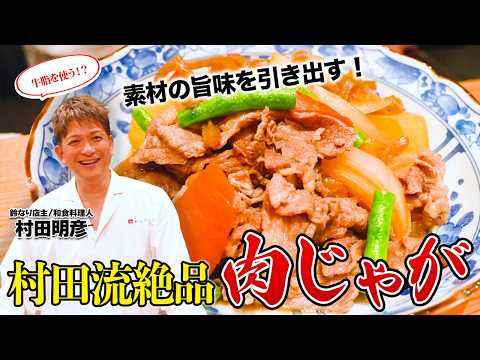
[Using Beef Tallow!?] Bring Out the Umami! Murata-Style Exquisite Nikujaga (Beef and Potato Stew)
Ingredients
- Beefslices (thinly cut) 250g
- Potatoes(May Queen/waxy variety) 3
- Carrot1/2
- Onion1
- Tsukikonnyaku (shredded konjac) 1 pack (150g)
- Greenbeans 5
- Beeftallow to taste
- Dashistock 450ml
- Sake80ml
- Mirin3 tbsp (approx. 50g)
- Darksoy sauce 3 tbsp
- Sugar10–15g
About "Nikujaga Made with Beef Tallow"
Michelin 1-star washoku chef Akihiko Murata introduces his signature "Murata-style Nikujaga" that you can easily recreate at home. The key feature is stir-frying the vegetables in beef tallow (often available for free at butcher counters) to infuse the entire dish with a rich beefy aroma and depth. The beef is blanched beforehand to remove impurities, and soy sauce is added later to allow the flavors to penetrate deep into the vegetables. Adding the beef and green beans at the very end prevents the meat from becoming tough. Letting it cool and reheating it makes the flavors meld together even more beautifully.
Introduction to 【荒木町鈴なり】村田明彦の煮るなり焼くなり →
Tips for Making "Nikujaga Made with Beef Tallow"
-
Ingredients
- Use May Queen (waxy) potatoes as they hold their shape well, resulting in a more beautiful presentation than floury varieties.
-
Prep
- Briefly blanch the beef slices in boiling water to remove excess scum and fat. Drain and cool on a tray without rinsing in water.
-
Prep
- Boil the tsuki konnyaku briefly beforehand to eliminate its unique odor.
-
Prep
- Cut the onion into wedges while leaving a bit of the core intact to prevent the layers from falling apart during simmering and to make plating easier.
-
Stir-frying
- Melt beef tallow in the pot and stir-fry the vegetables in it. This coats the surfaces with oil to lock in umami and prevent them from breaking apart, rather than cooking them through.
-
Seasoning
- Simmer in dashi, sake, and sugar for about 10 minutes first. Adding soy sauce too early creates a barrier on the vegetables, making it hard for flavors to penetrate and causing them to break apart, so add it later.
-
Seasoning
- Add the soy sauce in two batches to adjust the flavor, then finish by adding mirin.
-
Finishing
- Add the beef and green beans at the very end and simmer briefly. Adding them at the final stage is a professional technique to prevent the meat from becoming tough.
-
Storage
- Leaving a bit of extra liquid makes it easier to reheat. Letting the dish cool completely and then reheating it allows the flavors to meld and taste even better.
Ingredients for "Nikujaga Made with Beef Tallow"
12 items* Tap ingredient names to find on Amazon
How to Make "Nikujaga Made with Beef Tallow"
- 1
Peel the potatoes and cut them into large, bite-sized rolling cuts (rangiri), then rinse lightly with water. Cut the carrot into rolling cuts, and cut the onion into wedges, leaving a bit of the core intact. Cut the green beans into thirds.
- 2
Cut the tsuki konnyaku into easy-to-eat lengths, blanch briefly to remove any odor, and drain.
- 3
Briefly blanch the beef slices in boiling water (shimofuri) to remove excess scum and fat. Do not rinse in water; transfer to a tray to cool naturally.
- 4
Heat the beef tallow in a pot and let it melt slowly. Carefully stir-fry the potatoes, carrots, and onions in the melted fat until the edges of the potatoes start to look slightly translucent.
- 5
Turn off the heat, then add 450ml of dashi stock, 80ml of sake, and 10–15g of sugar. Turn the heat back on, cover with a lid, and simmer over medium heat for about 10 minutes until the vegetables are tender.
- 6
Once the potatoes are tender enough for a bamboo skewer to slide through easily, add the blanched konnyaku.
- 7
Add 3 tbsp of dark soy sauce in two batches, adjusting the taste. Then, add 3 tbsp of mirin to finish.
- 8
Add the blanched beef and simmer briefly. Finally, add the green beans, and once they are cooked through, it is ready to serve.
Detailed Commentary on "Nikujaga Made with Beef Tallow"
* Content organized by topics from the video.
A Chef's Take on Classic Nikujaga
Nikujaga (beef and potato stew) is a classic dish that many home cooks want to master first. This time, Chef Murata, a professional of Japanese cuisine, presents a "forbidden" take on this traditional favorite. While restaurants often use thick cuts of meat or cook ingredients separately before combining them, this recipe uses a standard, easy-to-follow home-style base enhanced with professional techniques. Using familiar ingredients like beef slices, potatoes, carrots, onions, and konnyaku, this recipe is packed with Murata-style techniques to bring out the maximum umami of each ingredient.
Cutting Vegetables for Texture and Presentation
First, prepare the vegetables. Chef Murata prefers "May Queen" (waxy) potatoes because they hold their shape well during simmering. While the melting texture of Irish Cobbler (floury) potatoes is also delicious, May Queen is chosen here for a beautiful final presentation. Cutting them into large rolling cuts ensures both a substantial presence and a fluffy texture. The carrots are also cut into rolling cuts with the skin left on to add vibrant color. A key tip for the onion is to cut it into wedges while leaving a bit of the core intact. This prevents the layers from falling apart during simmering and makes plating much easier. For the konnyaku, "tsuki konnyaku" (shredded konjac) is used for its great texture and presence, cut into manageable lengths.
Prep Work for a Clean, Refined Flavor
The secret to an outstanding Nikujaga lies in the prep work. Before simmering, the beef slices are briefly blanched in boiling water (a technique called "shimofuri"). This removes excess scum and fat, resulting in a clean, refined flavor without any unpleasant aftertaste. While some might worry about losing flavor, this step is essential to prevent scum from coating the vegetables. After blanching, the beef is drained and cooled naturally on a tray without rinsing in water. The tsuki konnyaku is also boiled briefly to eliminate its unique odor. This meticulous prep work elevates home-cooked Nikujaga to restaurant quality.
The Magic of Beef Tallow for Rich Flavor
The ultimate secret weapon of Murata-style Nikujaga is beef tallow. While standard recipes often use vegetable or sesame oil, this recipe uses beef tallow (often available for free at supermarket meat counters) to stir-fry the vegetables. Melt the tallow slowly in the pot, then stir-fry the potatoes, carrots, and onions in it. This step is not meant to cook the vegetables through, but rather to coat their surfaces with oil to lock in their umami and prevent them from breaking apart. Using beef tallow infuses the vegetables with a rich beefy depth and aroma, making the dish taste incredibly luxurious as if packed with meat. Stir-fry carefully until the edges of the potatoes become slightly translucent.
Simmering Secrets to Prevent Mushiness
Add 450ml of dashi stock, 80ml of sake, and 10–15g of sugar to the stir-fried vegetables. Chef Murata prefers a slightly saucier finish, keeping in mind that it will be reheated later. The crucial point here is not to add salty seasonings like soy sauce from the very beginning. First, simmer the vegetables in just the dashi, sake, and sugar over medium heat for about 10 minutes until tender. Adding soy sauce too early creates a tough barrier on the surface of the vegetables, preventing the flavors from penetrating to the core and causing the insides to turn mushy and break apart. Once a bamboo skewer slides easily through the potatoes, add the konnyaku and soy sauce (3 tbsp), and finally, finish with mirin (3 tbsp) to adjust the flavor.
Tasting the Umami-Rich Masterpiece
Finally, add the blanched beef and green beans, simmering briefly until cooked. Adding the beef at the very end is a professional technique to prevent it from becoming tough. Plated beautifully, the Nikujaga releases the sweet aroma of beef tallow, instantly stimulating the appetite. Upon tasting, the chef exclaimed, "It's like eating a steak!"—highly satisfied with the rich depth and umami brought by the beef tallow. Thanks to the blanching, the beef tastes clean and tender, while the flavors have penetrated deep into the potatoes and onions. While delicious fresh, letting it cool and reheating it allows the flavors to meld together even more beautifully. This amazing recipe transforms a comforting home classic into a gourmet feast.
About 【荒木町鈴なり】村田明彦の煮るなり焼くなり
【荒木町鈴なり】村田明彦の煮るなり焼くなり
1.3万人 subscribers ・ 和食
* Opens YouTube channel
* Subscriber count is as of article creation and may differ from the current number.
