

Recipe
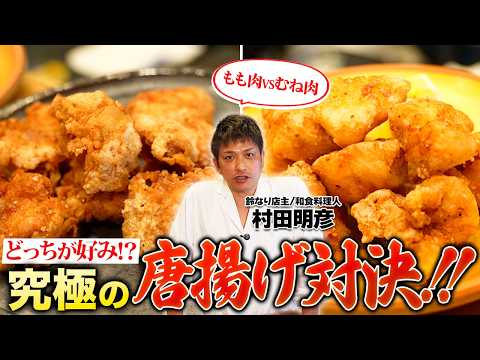
Thigh vs. Breast: Which Do You Prefer? The Ultimate Karaage Showdown!
Ingredients
- 1chicken thigh
- 1chicken breast
- [Brine(per piece of meat)] Water: 200 ml
- Sugar:1 tsp
- Salt:1 tsp
- [Marinade(for each meat)] Sake: 2 tbsp
- Soysauce: 1 tbsp
- Mincedgarlic: 1 tsp
- Sesameoil: 1 tbsp
- Blackpepper: a pinch
- [Coating]Potato starch: 70%
- Riceflour: 30%
- [Garnish]Japanese mustard (Karashi): 1 part
- Mayonnaise:2 parts
- Lemon:to taste
About "Japanese Fried Chicken (Thigh & Breast Karaage)"
Michelin-starred Chef Akihiko Murata explains how to make the ultimate chicken karaage, highlighting the unique qualities of both chicken thigh and breast. By soaking the meat in a simple brine of water, salt, and sugar, even lean chicken breast turns out incredibly juicy. The coating features a 7:3 blend of potato starch and rice flour, which, combined with precise temperature control during double-frying, creates an ultra-crispy texture. Packed with professional tips you can easily try at home, this recipe covers everything from cutting along the grain to adding sesame oil to the marinade for extra flavor and moisture retention.
Introduction to 【荒木町鈴なり】村田明彦の煮るなり焼くなり →
Tips for Making "Japanese Fried Chicken (Thigh & Breast Karaage)"
-
Prep
- Soak the chicken in a brine (200 ml water, 1 tsp sugar, 1 tsp salt) for 1 minute to 1 day. The salt tenderizes the proteins while the sugar locks in moisture for ultimate juiciness.
-
Prep
- Identify the grain direction of the breast (divided into grainless, horizontal, and vertical sections) and cut across the grain to prevent dryness.
-
Prep
- Remove excess yellow fat, hard cartilage, and bone fragments from the thigh. Separate the drumstick and thigh sections to ensure a uniform texture.
-
Seasoning
- Use a 2:1 ratio of sake to soy sauce for the marinade. Adding sesame oil coats the meat, preventing juices and umami from escaping during frying.
-
Coating
- Use a 7:3 blend of potato starch and rice flour. The rice flour keeps the crust light and crispy, preventing it from getting soggy over time.
-
Coating
- After coating, pat the chicken with slightly damp hands to set the starch. This prevents the crust from peeling off and ensures an ultra-crunchy texture.
-
Heat control
- Fry first at 160–170°C (320–340°F) for 2.5 to 3 minutes, then rest for the same duration. Letting residual heat cook the center is key to juiciness.
-
Heat control
- Double-fry at a high 180°C (350°F) for about 1 minute. A quieter crackling sound and larger bubbles signal that excess moisture is gone and it is perfectly crispy.
Ingredients for "Japanese Fried Chicken (Thigh & Breast Karaage)"
15 items* Tap ingredient names to find on Amazon
- 1chicken thigh
- 1chicken breast
- [Brine(per piece of meat)] Water: 200 ml
- Sugar:1 tsp
- Salt:1 tsp
- [Marinade(for each meat)] Sake: 2 tbsp
- Soysauce: 1 tbsp
- Mincedgarlic: 1 tsp
- Sesameoil: 1 tbsp
- Blackpepper: a pinch
- [Coating]Potato starch: 70%
- Riceflour: 30%
- [Garnish]Japanese mustard (Karashi): 1 part
- Mayonnaise:2 parts
- Lemon:to taste
How to Make "Japanese Fried Chicken (Thigh & Breast Karaage)"
- 1
Make the brine: Dissolve 1 tsp sugar and 1 tsp salt in 200 ml of water. Soak the chicken thigh and breast separately for 30 minutes to 1 day (even 1 minute works if you are short on time).
- 2
Prep the breast: Identify the direction of the grain (divided into three sections: grainless, horizontal, and vertical) and cut into bite-sized pieces, slicing across the grain of each section.
- 3
Prep the thigh: Remove excess yellow fat, hard cartilage, and bone fragments. Separate the drumstick and thigh sections, then cut into bite-sized pieces.
- 4
Remove the chicken from the brine and pat thoroughly dry.
- 5
Marinate: To each portion of meat (thigh and breast), add 2 tbsp sake, 1 tbsp soy sauce, 1 tsp minced garlic, 1 tbsp sesame oil, and a pinch of black pepper. Massage well by hand and let sit for 5 to 10 minutes to absorb the flavors.
- 6
Make the coating: Blend potato starch and rice flour in a 7:3 ratio.
- 7
Thoroughly coat the marinated chicken with the starch blend, gently shaking off any excess.
- 8
Moisten your hands with a little water and gently pat the surface of the coated chicken to dampen it, helping the coating adhere.
- 9
First fry: Fry the chicken in oil heated to 160–170°C (320–340°F), starting with the thigh pieces, for 2.5 to 3 minutes. Do not touch them until the coating sets, only gently moving them if they stick together.
- 10
Transfer the fried chicken to a wire rack and let it rest for about 3 minutes (the same duration as the frying time) to let the residual heat cook it through to the center.
- 11
Second fry: Raise the oil temperature to 180°C (350°F), return the chicken to the oil, and fry for about 1 minute. When the crackling sound quietens and the bubbles get larger, it is a sign that the chicken is perfectly crispy.
- 12
Plate the chicken and serve with lemon wedges and a special mustard-mayo dipping sauce made by mixing 1 part Japanese mustard (karashi) with 2 parts mayonnaise.
Detailed Commentary on "Japanese Fried Chicken (Thigh & Breast Karaage)"
* Content organized by topics from the video.
10k Subs Celebration & the Definition of Karaage
In the opening, Chef Murata celebrates reaching 10,000 subscribers on his YouTube channel by announcing a special giveaway where lucky viewers can enjoy freshly cooked food with him. The theme of this episode is the ultimate home-cooking classic: Japanese fried chicken (karaage). Chef Murata explains the difference between 'karaage' and 'tatsuta-age.' Tatsuta-age is typically marinated in a soy sauce base, coated in potato starch, and fried—named after the autumn maple leaves floating on Kyoto's Tatsuta River. Karaage, on the other hand, has no strict rules regarding seasoning or coating. While wheat flour is commonly used for karaage, Chef Murata prefers potato starch for maximum crunch, leaning closer to a tatsuta-age style. In this episode, he showcases both chicken thigh and breast to bring out the best of both worlds in an ultimate showdown.
The Magic Brine for Incredibly Juicy Chicken
To keep chicken from drying out, Chef Murata shares a professional secret: using a 'brine.' This magic liquid is made by dissolving 1 tsp of sugar and 1 tsp of salt in 200 ml of water. Soaking the chicken in this solution allows the salt to gently break down the meat's proteins while the sugar locks in moisture. This prevents the chicken from shrinking or turning tough during frying, resulting in an incredibly plump and tender texture. While soaking for 30 minutes to a full day is ideal, even a quick 1-minute soak yields noticeable results. Although some might worry that soaking chicken in water dilutes its flavor, it actually removes gamey odors and infuses the meat with moisture, dramatically boosting juiciness. This simple step is the key to making fried chicken that stays delicious even after it cools down.
Mastering the Cut: Thigh vs. Breast
The way you cut chicken dramatically affects its final texture. Chicken breast has a complex grain structure, making it crucial to identify the direction of the fibers. The chef divides the breast into three sections—grainless, horizontal, and vertical—and cuts across the grain for each. Shortening the fibers this way prevents the breast from becoming dry and stringy, yielding an incredibly tender bite. For the thigh meat, he carefully removes excess yellow fat, tough cartilage, and bone fragments. Since the drumstick and thigh sections have different grain directions, separating them ensures a uniform, juicy texture. A single cut can change how much moisture is retained and how the meat feels in your mouth, which is why professional chefs pay close attention to the angle and direction of their knife.
Marinade Secrets & the Sesame Oil Shield
After removing the chicken from the brine and patting it dry, it's time for the classic marinade. For each portion of thigh and breast, add 2 tbsp sake, 1 tbsp soy sauce, 1 tsp minced garlic, 1 tbsp sesame oil, and a pinch of black pepper. The golden ratio of sake to soy sauce is 2:1; sake removes any gamey odor and tenderizes the meat, while soy sauce provides the savory foundation. The most unique element here is adding sesame oil directly to the marinade. The oil coats the surface of the meat, acting as a shield that locks in juices and umami during frying. It also helps the garlic flavor and toasted sesame aroma cling to the chicken. Massage the marinade thoroughly into the meat by hand. While a quick massage works, letting it rest for 5 to 10 minutes allows the flavors to fully settle.
The Starch Blend & Water-Patting Trick
To achieve an ultra-crispy, fragrant crust, Chef Murata uses a custom coating blend of potato starch and rice flour in a 7:3 ratio. Adding rice flour introduces a unique nuttiness and a light, crispy texture that stays crunchy long after frying without getting soggy. Coat the marinated chicken thoroughly, then gently shake off any excess starch, as too much loose powder will dirty the frying oil. Next comes a brilliant professional trick: after coating the chicken, moisten your hands with a little water and gently pat the surface of the meat. This dampens the starch, locking it onto the chicken so the crust doesn't peel off during frying, resulting in an incredibly crunchy, shattered-glass texture. This simple hydration step is the secret to maximizing crunch.
Double-Frying & Temperature Control
To lock in maximum juiciness, the chicken is double-fried. For the first fry, gently cook the chicken at a relatively low temperature of 160–170°C (320–340°F) for 2.5 to 3 minutes, starting with the thigh pieces. Avoid touching them until the coating sets, only nudging them slightly with chopsticks so they don't stick to the bottom. Once done, transfer them to a wire rack and let them rest for 3 minutes—matching the frying time. This resting period allows the residual heat to gently cook the center of the meat. Next, raise the oil temperature to a high 180°C (350°F) and fry for about 1 minute. When returned to the oil, the surface moisture will crackle loudly, but as the chicken cooks, the sound will quiet down and the bubbles will grow larger. This shift in sound and bubble size indicates that excess moisture has evaporated and the chicken is perfectly crispy. Remove once golden brown.
Tasting & a Funny Cooking Fail from the Past
To serve, plate the chicken with lemon wedges and a special dipping sauce made of 1 part Japanese mustard and 2 parts mayonnaise. Tasting the breast first, both the staff and the chef are amazed by its tenderness, praising it for being as moist as slow-cooked chicken breast. The thigh pieces deliver a satisfyingly loud crunch thanks to the rice flour, bursting with juicy flavor. It pairs beautifully with the mustard-mayo, making it the perfect companion for a highball or beer. Chef Murata then shares a hilarious story from his youth: when cooking karaage for a girl at his house, he was so obsessed with keeping the oil temperature stable that he fried the chicken one piece at a time, taking a whole hour and keeping her waiting. He notes that cooking evolves through trial and error, wrapping up the video by asking viewers to subscribe and share.
About 【荒木町鈴なり】村田明彦の煮るなり焼くなり
【荒木町鈴なり】村田明彦の煮るなり焼くなり
1.3万人 subscribers ・ 和食
* Opens YouTube channel
* Subscriber count is as of article creation and may differ from the current number.
