

Recipe
[What Pros Hide] The Ultimate Guide to Choosing the Best Beef at the Supermarket
Ingredients
- Domesticbeef shoulder/sirloin for shabu-shabu (purchased at the same price point)
- A5Wagyu chuck roll sliced beef (purchased at the same price point)
- A5Wagyu short plate sliced beef (purchased at the same price point)
- Domesticbeef round block (purchased at the same price point)
- Ponzu(Ajipon) 5 tbsp (for shabu-shabu sauce)
- Honey1 tbsp (for shabu-shabu sauce)
- Mirinto taste (for gyudon)
- Soysauce to taste (for gyudon)
- Shiro-dashito taste (for gyudon)
- Onionto taste (for chuck roll stir-fry)
About "Supermarket Beef Comparison & Selection Guide (Shabu-Shabu, Roast Beef, Gyudon, Stir-fry)"
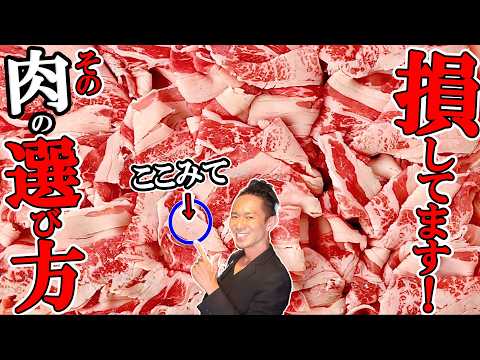
In this video, Hayato Morita, owner of the yakiniku restaurant "Crossom Morita," compares four types of supermarket beef in the same price range (around 498 yen per 100g) from a professional perspective. Through cooking and tasting, he demonstrates why A5-grade beef isn't always the best choice for home cooking. He prepares each cut using its optimal cooking method (shabu-shabu, roast beef, gyudon, and stir-fry) to evaluate their texture, flavor, and value. Ultimately, he reveals that non-branded domestic sirloin shabu-shabu beef offers the best value, time efficiency, and ease of cooking. Finally, he shares his golden ratio for a special shabu-shabu sauce: 5 parts ponzu to 1 part honey.
Introduction to 予約7年待ち「肉の鬼才」森田隼人の料理研究所 →
Tips for Making "Supermarket Beef Comparison & Selection Guide (Shabu-Shabu, Roast Beef, Gyudon, Stir-fry)"
-
Selection Criteria
- "A5 grade" is not a measure of flavor, but an index of yield and visual appeal. Do not be misled by premium labels; choose the cut based on your cooking needs.
-
Selection Criteria
- Sliced beef (kiriotoshi) is a mix of various cuts. It is a "lottery" where you might get lucky with ribeye or end up with tough cuts like chuck or neck.
-
Selection Criteria
- Supermarket lighting is designed to make red meat look vibrant and fat look glossy, and premium black or gold trays enhance this effect. Do not judge by appearance alone.
-
Cut & Cooking Match
- Beef round (lean block) is highly versatile for roast beef or cutlets but dries out if simply seared. Residual heat cooking (searing then resting for 20 minutes) is essential.
-
Cut & Cooking Match
- A5 short plate slices are very fatty and difficult to cook at home. Searing renders too much fat and shrinks the meat, making it better suited for simmered dishes like gyudon.
-
Cut & Cooking Match
- A5 chuck roll slices are perfect for stir-fries. Cook onions first, coat with sauce, then add the beef and toss briefly to keep it tender.
-
Cut & Cooking Match
- Domestic shabu-shabu beef (sirloin) is thinly sliced, making it hard to overcook, and has a great fat-to-lean balance. It becomes delicious with just a quick swish in hot water.
-
Value Evaluation
- The best value and time-efficient cut in this price range is "non-branded domestic sirloin shabu-shabu beef." Conversely, it is best to avoid "branded A5 short plate slices" for home cooking.
-
Sauces & Seasoning
- The golden ratio for the special shabu-shabu sauce is 5 tbsp ponzu (Ajipon) to 1 tbsp honey. The sweet-and-sour flavor perfectly complements the beef.
-
Gyudon Seasoning
- When making gyudon with A5 short plate slices, simmer the meat with a simple seasoning of mirin, soy sauce, and shiro-dashi.
Ingredients for "Supermarket Beef Comparison & Selection Guide (Shabu-Shabu, Roast Beef, Gyudon, Stir-fry)"
10 items* Tap ingredient names to find on Amazon
- Domesticbeef shoulder/sirloin for shabu-shabu (purchased at the same price point)
- A5Wagyu chuck roll sliced beef (purchased at the same price point)
- A5Wagyu short plate sliced beef (purchased at the same price point)
- Domesticbeef round block (purchased at the same price point)
- Ponzu(Ajipon) 5 tbsp (for shabu-shabu sauce)
- Honey1 tbsp (for shabu-shabu sauce)
- Mirinto taste (for gyudon)
- Soysauce to taste (for gyudon)
- Shiro-dashito taste (for gyudon)
- Onionto taste (for chuck roll stir-fry)
How to Make "Supermarket Beef Comparison & Selection Guide (Shabu-Shabu, Roast Beef, Gyudon, Stir-fry)"
- 1
[Prep & Inspection] Open the packages of the four types of beef and check for any meat juices (drip), the fineness of the fat marbling, and the color/gloss.
- 2
[Searing Comparison] Sear each unseasoned cut in a pan to observe how much fat and moisture are released. After cooking, wipe the pan with paper towels to compare the amount of rendered fat.
- 3
[Roast Beef: Beef Round Block] Sear all sides of the block in a pan until browned. Turn off the heat, cover with a lid, and let it cook gently with residual heat for about 20 minutes until tender.
- 4
[Gyudon: A5 Short Plate Slices] Combine mirin, soy sauce, and shiro-dashi in a pan (or pot), add the sliced short plate, and simmer.
- 5
[Stir-fry: A5 Chuck Roll Slices] Stir-fry the onion in a pan first, coat with the sauce (soy sauce, mirin, etc.), then add the chuck roll slices. Toss quickly without overcooking to finish.
- 6
[Shabu-Shabu: Domestic Beef Shabu-Shabu Slices] Bring water to a boil in a pot, and quickly swish the shabu-shabu meat through the hot water to cook.
- 7
[Special Sauce] Mix 5 tbsp of ponzu and 1 tbsp of honey to make the special shabu-shabu sauce.
- 8
[Tasting & Comparison] Taste each of the four finished dishes and compare them based on tenderness, aroma, flavor, and value.
Detailed Commentary on "Supermarket Beef Comparison & Selection Guide (Shabu-Shabu, Roast Beef, Gyudon, Stir-fry)"
* Content organized by topics from the video.
Which Supermarket Beef Should You Buy?
Today, we have prepared four types of beef commonly found in supermarkets, all in the same price range (around 498 yen per 100g): Hokkaido beef round block, Kumamoto A5-grade Kuroge Wagyu short plate slices, Kumamoto A5-grade chuck roll slices, and Iwate domestic beef shoulder for shabu-shabu. Although they cost the same, a professional chef reveals there are cuts they would "never buy" and "truths only pros know." It is highly risky to assume that "A5 grade" automatically means delicious. High-grade beef does not always equal tasty home-cooked meals; there are crucial factors to consider when choosing meat for your household. Today, we will thoroughly test which cut offers the highest satisfaction and the best value.
Inspecting the Meat and Rendered Fat
Let's open the packages and inspect the meat. The beef round block has a glossy surface with a tiny bit of juice starting to release. Next, we'll look at the fineness of the fat marbling from a professional perspective. After checking the fat distribution of the shabu-shabu slices, chuck roll slices, short plate slices, and round block, we will sear them in a pan without any seasoning. Paying attention to the fat and moisture released during cooking, we see that while the round block releases moisture (drip), the other three cuts release a massive amount of fat. After cooking, wiping the pan with paper towels clearly shows that the A5 short plate slices contain an overwhelming amount of fat.
Searing Plain: A Surprising Difference
We taste the unseasoned seared beef to evaluate the natural flavor of each cut. The non-branded domestic shabu-shabu beef (sirloin) is so delicious that it instantly elicits a "Wow!" even when simply seared. Next, the A5 chuck roll slices offer a rich, deep flavor worthy of branded Wagyu. However, the A5 short plate slices turn out to be "tough and heavy with fat." The lean round block used for roast beef becomes quite dry when simply seared, showing that it requires proper cooking techniques to be enjoyed. While the chuck roll stands out for its immediate impact on the palate, the lean round block holds its own in terms of pure beefy flavor. This clearly demonstrates that fat enhances "aroma" rather than actual umami.
5 Traps of Choosing Beef
Here are the five key points to check when buying beef. First is the truth about the "A5" grading. This grade measures yield and visual appeal, not flavor; it is merely an indicator of potential quality. Second, "higher-grade meat has more limited cooking methods at home." Even pros find A5 short plate difficult to handle, whereas lean round is highly versatile for roast beef or cutlets. Third is the "supermarket lighting magic," which uses special lights to make red meat look vibrant and fat look pearly white. Fourth is the "tray trap." Meat presented in premium black or gold trays can look surprisingly cheap when transferred to a plain white plate. Fifth, "sliced beef is a lottery." Since sliced beef (kiriotoshi) is a mix of various parts, it's a gamble—you might get premium ribeye or tough cuts like chuck or neck.
Cooking the 4 Cuts with Optimal Methods
To bring out the best in each cut, we prepare them using their optimal cooking methods. For the round block, we sear the surface in a pan and let it rest for 20 minutes to cook gently into a moist roast beef. For the A5 short plate slices, we simmer them with mirin, soy sauce, and shiro-dashi—keeping the seasoning simple without extra cooking sake—to make a gyudon-style dish. For the A5 chuck roll slices, we stir-fry onions first, coat them with sauce, and then toss in the beef briefly to keep the red meat tender. Finally, for the domestic shabu-shabu beef, we choose a simple method: quickly swishing it in boiling water. Adjusting the heat and cooking time for each specific cut is the key to unlocking its flavor.
Tasting and Comparing the Results
It's finally time to taste and compare the finished dishes. The roast beef, served with a special sauce, is not dry at all; the more you chew, the more the rich flavor and aroma of the lean meat spread, making us exclaim, "Delicious!" The short plate gyudon has flavorful fat, but the gristle is noticeable, resulting in a chewy texture very similar to fast-food gyudon. While it pairs wonderfully with rice, the heaviness of the fat is prominent. On the other hand, the stir-fried chuck roll slices are incredibly tender and delicious, making us marvel at how different it is—a completely different level of satisfaction for the same price. Finally, when we try the shabu-shabu meat with our special sauce (5 parts ponzu to 1 part honey), the tenderness of the meat and the sweet-and-sour sauce harmonize perfectly, earning unanimous praise: "This is cheating! It's the winner!"
Conclusion: What to Buy and What to Avoid
After testing all four cuts, the absolute must-buy for home cooking in this price range is the "non-branded, ungraded sirloin shabu-shabu beef." Because it is thinly sliced, it is hard to mess up, has a great balance of fat and lean meat, and cooks instantly—making it the ultimate choice for both value and time efficiency. Conversely, the cut you should avoid most for home cooking is the "branded A5-grade short plate slices." Although it looks luxurious, it is difficult to cook at home; searing it renders a massive amount of fat, shrinking the meat and often leaving it greasy. Don't be misled by "premium labels" at the supermarket; choose your meat based on what you plan to cook. We wrap up our lesson on choosing beef by sharing the golden ratio for the game-changing shabu-shabu sauce: 5 parts Ajipon to 1 part honey.
About 予約7年待ち「肉の鬼才」森田隼人の料理研究所
予約7年待ち「肉の鬼才」森田隼人の料理研究所
17.1万人 subscribers ・ 和牛・肉料理
* Opens YouTube channel
* Subscriber count is as of article creation and may differ from the current number.
