

Recipe
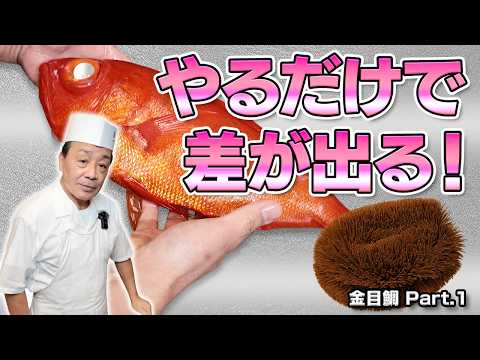
The Secret to Prep Fish Without Odor: Chef's Guide to Splendid Alfonsino | Part 1
Ingredients
- 1whole splendid alfonsino (fresh, such as from Kamogawa, Chiba)
- Salt,to taste
About "Splendid Alfonsino Prep & Processing"
Using fresh splendid alfonsino from Kamogawa, Chiba, this guide explains the essence of fish prep to eliminate odor and maximize flavor, from scrubbing before washing to gutting and dehydrating. Learn professional techniques to keep your cutting board clean, prevent odor transfer, and adjust salting based on your final dish.
Tips for Making "Splendid Alfonsino Prep & Processing"
-
Prep
- Always scrub the entire fish with a tawashi brush before washing to prevent slime and odor from transferring to the cutting board or flesh.
-
Prep
- Scale the fish inside a plastic bag, and use the tip of a knife to carefully scrape off tiny scales.
-
Prep
- When removing guts, be careful not to puncture the belly membrane, and prevent water from directly entering the belly cavity.
-
Prep
- Store the removed guts in the freezer to prevent trash odors.
-
Prep
- After washing the inside of the belly with a sasara, thoroughly wipe off all moisture from the surface and interior with a cloth.
-
Technique
- When splitting the head, cut from the inside to prevent it from crumbling due to its soft bones.
-
Salting
- Sprinkle with salt and let rest at an angle for 1 hour to drain excess moisture and remove odors.
-
Salting
- Adjust salting based on the final dish (e.g., salt generously for sake-steaming, lightly for simmering).
Ingredients for "Splendid Alfonsino Prep & Processing"
2 items* Tap ingredient names to find on Amazon
How to Make "Splendid Alfonsino Prep & Processing"
- 1
Scrubbing with a Tawashi Brush
Before washing with water, thoroughly scrub the entire splendid alfonsino in the sink using a tawashi brush. This is the most crucial step to remove slime and odor from the fish's surface, preventing odor transfer to your cutting board.
- 2
Scaling (Bara-biki)
Place the splendid alfonsino in a plastic bag and use a fish scaler to remove the bulk of the scales. Then, transfer it to a cutting board and use the tip of a knife to carefully scrape off remaining scales around the fins and tail.
- 3
Gutting the Fish
Carefully insert the knife to avoid puncturing the belly membrane, then remove the guts. Avoid chopping off the head too forcefully, as this can cause blood to spread and create odors. Keep water from directly entering the belly cavity to preserve the umami of the flesh.
- 4
Handling and Storing Guts
To keep the cutting board clean, gather the removed guts on a sheet of paper placed underneath. Wrap them in the paper, place them in a plastic bag, and store them in the freezer until trash day. This prevents cutting board contamination and kitchen odors.
- 5
Washing and Dehydrating the Belly
Use a sasara (bamboo cleaning brush) to thoroughly wash away the bloodline and any remaining innards. After washing, completely wipe off any moisture from the surface and inside the belly with a clean cloth. Removing all moisture is essential before you can properly slice the fish.
- 6
Splitting the Head (Nashivari)
Perform 'nashivari' to split the head in half. Since splendid alfonsino has soft, fragile bones, cutting it from the inside (underside) allows the blade to easily penetrate the cartilage, preventing the head from falling apart when cooked.
- 7
Salting for Dehydration (Sweating)
Sprinkle salt over the prepped head and let it rest at an angle for about 1 hour. Tilting it helps the moisture drain easily, removing excess water and unpleasant odors.
- 8
Adjusting Salt Based on the Dish
Adjust the amount of salt depending on the final dish. For sake-steaming, apply enough salt to penetrate to the center of the flesh. For simmering (nitsuke), use less salt since it will be cooked in soy sauce. Tailor the salting to match the final flavor profile.
Food Science
Salting splendid alfonsino plays a crucial role in 'moisture control' through osmosis. Applying salt draws out excess moisture from the fish, which simultaneously expels trimethylamine, the compound responsible for fishy odors. Furthermore, as excess water is removed, the fish's natural umami components, such as inosinic acid, become concentrated. This firms up the flesh and enhances the natural, delicious flavor of the fish.
Detailed Commentary on "Splendid Alfonsino Prep & Processing"
* Content organized by topics from the video.
Selecting Premium Kamogawa Splendid Alfonsino
The chef introduces a magnificent splendid alfonsino sourced from Kamogawa, Chiba, at Toyosu Market. With 50 years of experience in Japanese cuisine, the chef abides by the rule of thumb that 'a thick shoulder indicates high quality,' and has selected a beautifully thick fish accordingly. Nowadays, fishermen tag and manage their catch carefully upon landing, ensuring reliable quality. Using this fresh splendid alfonsino, the chef demonstrates the meticulous prep work that professional chefs perform first. This guide is packed with professional tips that can easily be replicated at home, reflecting a deep respect for the ingredients.
The Crucial Step: Scrubbing Before Washing
Before washing with water, the chef emphasizes the most critical step: scrubbing. Before scaling, he thoroughly scrubs the entire fish in the sink using a tawashi brush. If you skip this and wash the fish directly on the cutting board, the slime and odor on the surface will transfer to the board and the flesh, ruining the final flavor. The chef advises, 'You should do this for any fish before washing.' This scrubbing technique is his golden rule for keeping the cutting board clean and preventing unwanted odors from transferring to the fish.
Mess-Free Scaling and Fine Detailing
To prevent scales from flying around and making a mess, the chef scales the splendid alfonsino inside a plastic bag using a fish scaler. After removing the bulk of the scales inside the bag, he transfers the fish to the cutting board. This is where professional craftsmanship shines: he uses the tip of his knife to meticulously scrape away tiny scales around the fins and tail that the scaler missed. Even if the fish looks clean, any remaining small scales will ruin the texture, so the chef finishes the job with uncompromising precision.
Gutting and Washing Tips to Prevent Odor
When removing the head during washing, chopping it off too forcefully can cause blood and fishy odors to seep into the cut surface, which will inevitably smell once stored in the fridge. Since both the head and body will be used for cooking, the chef carefully inserts the knife to avoid puncturing the belly membrane and removes the guts. While there is a traditional method called tsubonuki (gutting without cutting the belly open) for whole-fish presentation, he uses the standard method here. Keeping water from directly entering the belly cavity preserves the umami and prevents the flesh from becoming watery.
Clean Gut Disposal and Odor Prevention
To keep the cutting board clean, the removed guts are gathered on a sheet of paper placed underneath. In small restaurants or home kitchens, throwing these guts directly into the trash can lead to strong odors over time. To solve this, the chef shares a professional tip: wrap them in paper, place them in a plastic bag, and store them in the freezer until trash day. This keeps the cutting board clean and prevents any odor in the kitchen. It is a highly practical tip for keeping a clean workspace in a Japanese restaurant operating from morning to night.
Belly Cleaning with Sasara and Dehydration
When washing the inside of the belly, use a sasara to thoroughly clean out the bloodline and any remaining innards. After washing it clean of blood, use a clean cloth to thoroughly wipe away all moisture from both the surface and the inside of the belly. Only when the moisture is completely removed is the fish ready to be sliced. Remaining moisture can spoil the flesh and cause odors, so pressing a cloth deep inside the belly to absorb every drop of water is a crucial step for a delicious result.
Filleting and Head-Splitting Techniques
The chef fillets the splendid alfonsino into three pieces. The head (kabuto) is removed with a bit of meat left on it. When splitting the head in half (nashivari), since splendid alfonsino has soft, fragile bones, standing it upright to split it like a red sea bream would cause it to crumble. Instead, cutting it from the inside (underside) allows the blade to easily slide into the cartilage for a clean split. The chef shares, 'I insist on this method because I don't want it to fall apart when grilled or steamed,' showcasing a professional technique focused on beautiful presentation.
Salting for Dehydration and Flavor Control
The chef sprinkles salt on the prepped head and lets it rest for about 1 hour to dehydrate (sweat). Tilting it allows the moisture to drain easily, removing excess water and odors. The amount of salt varies depending on the final dish (sake-steaming, simmering, grilling, etc.). For example, sake-steaming requires enough salt to penetrate the center of the flesh, while simmering requires less salt since it is cooked in soy sauce. He also shares tips on minimizing waste, such as serving the tail meat together with the simmered head.
About 大将に聞いてみた!
大将に聞いてみた!
2.1万人 subscribers ・ 日本料理・和食
* Opens YouTube channel
* Subscriber count is as of article creation and may differ from the current number.
