

Recipe
Pro Chef's Guide: Ultimate Miso Soup with Niboshi Dashi | Kukipapa
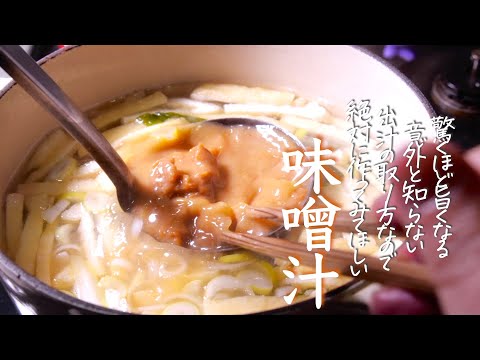
Ingredients
- Niboshi(dried anchovies): 1 pack (approx. 200g)
- Coldwater: enough to submerge
- Icecubes: a few (for summer)
- Aburaage(fried tofu pouch): finely chopped, to taste
- Whitescallion: finely chopped, to taste
- Wakameseaweed: to taste
- Misopaste: to taste
- Mirin:1/2 tsp
About "Niboshi Dashi Miso Soup"
How to make the ultimate delicious miso soup using niboshi (dried anchovy) dashi. The key is selecting high-quality niboshi, removing the innards, and cold-brewing them for over 6 hours to extract the flavor. Once the dashi is ready, combine it with finely chopped ingredients, lower the heat, skim the foam, and avoid boiling after adding the miso to create a clear, golden, professional-grade miso soup. The leftover niboshi can also be repurposed into a delicious side dish.
Tips for Making "Niboshi Dashi Miso Soup"
-
Ingredients
- Choose niboshi that are silvery overall with a glossy, shiny surface. Avoid those that are blackened or dull in color, as their fats have oxidized, degrading the flavor.
-
Prep
- Remove the heads, split the bodies lengthwise, and carefully remove the black innards. Removing them completely is crucial to avoid bitterness and off-flavors. Separating bone-in and boneless pieces makes later steps easier.
-
Dashi Extraction
- Submerge the prepped niboshi in cold water and cold-brew in the fridge for 6 hours to overnight. Add a few ice cubes in summer to prevent spoiling. Strain through a paper-towel-lined sieve for a clear, golden dashi.
-
Storage
- Store unused dashi flat in a freezer bag and freeze. Frozen dashi can release aromas more easily when heated, so be sure to skim off any foam thoroughly when bringing it to a boil.
-
Heat Control
- Once the pot comes to a boil, always reduce the heat. This is a crucial step to prevent the dashi from developing an unpleasant smell.
-
Adding Miso
- After carefully skimming the foam, dissolve the miso paste over low heat. Never let it boil after adding the miso, as the delicate aroma will escape.
-
Secret Ingredient
- Adding about 1/2 tsp of mirin rounds out the overall flavor and dramatically improves the balance.
Ingredients for "Niboshi Dashi Miso Soup"
8 items* Tap ingredient names to find on Amazon
How to Make "Niboshi Dashi Miso Soup"
- 1
Select high-quality niboshi (dried anchovies) that are silvery, glossy, and shiny.
- 2
Remove the heads of the niboshi, split the bodies lengthwise, and carefully remove the black innards (guts).
- 3
Separate the pieces with bones from those without, and place them in a container. For the heads, remove the black gills and place them together in a tea filter bag.
- 4
Place the prepped bodies and the tea bag with the heads in the container. Add a few ice cubes during summer to prevent spoiling.
- 5
Pour in enough cold water to submerge everything, and let it cold-brew in the refrigerator for 6 hours to overnight.
- 6
Strain the liquid through a fine sieve lined with a paper towel to get a clear, golden dashi.
- 7
Pour any unused dashi into a freezer bag, flatten it out, and freeze it.
- 8
Pour the dashi into a pot and adjust the strength by adding water to your liking.
- 9
Prepare the ingredients: finely chopped aburaage, white scallions, and wakame seaweed.
- 10
Bring to a boil over heat, then be sure to reduce the heat immediately.
- 11
Carefully skim off any foam that rises to the surface.
- 12
Dissolve the miso paste into the pot while keeping the heat low.
- 13
Add about 1/2 tsp of mirin to round out and balance the overall flavor.
- 14
Be careful not to let it boil after adding the miso, and it is ready to serve.
Food Science
Removing the innards of the niboshi suppresses bitterness and off-flavors, while cold-water extraction prevents fishy odors while extracting inosinate (inosinic acid) from the fish. Combining this with the glutamate (glutamic acid) in the miso creates a synergistic umami effect, resulting in a deep, rich flavor. Additionally, adding mirin at the end balances the sweetness and saltiness. Finally, avoiding boiling after dissolving the miso preserves its heat-sensitive, rich aromatic compounds.
Detailed Commentary on "Niboshi Dashi Miso Soup"
* Content organized by topics from the video.
How to Choose Delicious Niboshi
This section explains the key points for choosing niboshi. The basic trick is to select ones that look delicious. Specifically, high-quality niboshi are silvery overall, with a glossy, shiny surface. Even if they are a bit pricey, they are well worth the cost, so choosing good quality is highly recommended. The choice of niboshi greatly affects the flavor of the resulting dashi. As the first step to making delicious miso soup, try focusing on selecting quality ingredients.
Careful Prep of Niboshi
The steps for prepping niboshi are explained in detail. First, remove the head, split the body lengthwise, and remove the black innards (guts). Since these innards cause bitterness and off-flavors, removing them carefully is crucial. During this process, separating the bone-in pieces from the boneless ones in your container will make subsequent steps much easier. For the heads, remove the black gills and place them in a tea filter bag for easy removal later. This meticulous prep is the most important key to making a clear, delicious dashi free of off-flavors.
Cold-Brewing Dashi and Storage
Cold-brewing is the best way to extract delicious dashi from niboshi. Place the prepped bodies and the tea bag with the heads in a container, and add a few ice cubes during summer to prevent spoiling. Pour in enough water to submerge everything, and let it sit in the refrigerator for 6 hours to overnight. The next day, simply strain it through a sieve lined with a paper towel to get the ultimate clear, golden dashi. It is recommended to make a large batch and freeze any unused portion flat in a freezer bag. When making miso soup, you can just snap off the amount you need and put it straight into the pot, which is incredibly convenient.
Repurposing Leftover Niboshi
The leftover niboshi after making dashi is not wasted; it is repurposed into something delicious. Although it takes a little effort, carefully remove the bones from the bodies. Also, remove the large heads and tails at this stage, as they can feel sharp when eaten. Keeping the bone-in and boneless pieces separate here as well will make the next cooking step smoother. The prepped niboshi can then be sautéed to transform into a delicious side dish. This process showcases a professional's care and dedication to using ingredients completely without waste.
Making the Ultimate Miso Soup
This is how to make the ultimate miso soup using niboshi dashi. Pour the dashi into a pot and adjust with a little water to your preferred strength. Simple ingredients like finely chopped aburaage, white scallions, and wakame seaweed pair beautifully to highlight the dashi's flavor. Once it comes to a boil, be sure to lower the heat so the dashi doesn't develop an unpleasant smell. Carefully skim off any foam, and dissolve the miso paste while keeping the heat low. Be careful never to let it boil after adding the miso, as the aroma will escape. Adding about 1/2 tsp of mirin as a secret ingredient will round out the flavors and dramatically improve the overall balance.
Delicious Leftover Niboshi Side Dish
This is how to make a delicious side dish (sautéed niboshi) using the leftover niboshi from the dashi. Heat a little vegetable oil and sesame oil in a frying pan, add the prepped, boneless niboshi, and sauté over relatively high heat. Sauté until the moisture evaporates slightly and they turn a nice golden-brown color. Once heated through, turn off the heat, add 2 tsp of mirin and a little over 1 tsp of soy sauce, and quickly toss to coat using the residual heat. Finally, add some salted kelp (shio kombu) and toasted white sesame seeds, mix well, and it's done. Using high-quality, slightly pricier niboshi not only makes the dashi delicious but also makes this side dish taste amazingly good.
About クキパパレシピ研究所
クキパパレシピ研究所
34.5万人 subscribers ・ 家庭料理
* Opens YouTube channel
* Subscriber count is as of article creation and may differ from the current number.
