

Recipe
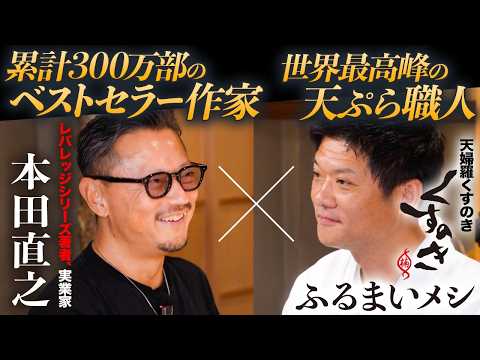
[Naoyuki Honda x Kusunoki] "It Changed My Concept of Tempura" – A Shocking Encounter 10 Years Ago and Originality to Survive the AI Era
Ingredients
- Kinmedai(splendid alfonsino) 1 whole fish
- Kurumaprawns to taste
- Sweetcorn (Miyazaki Gold Rush variety) 1 ear
- Flourfor tempura batter to taste
- Eggfor tempura batter 1
- Waterfor tempura batter to taste
- Fryingoil (rapeseed or cottonseed oil) to taste
- Blendedsalt mixture to taste
- Prawnhead tomalley (miso) for sauce to taste
- Dashibroth (unsalted) to taste
About "Kusunoki-Style Tempura (Kinmedai, Kuruma Prawn, Sweet Corn)"
A revolutionary tempura method from the renowned Tokyo Yotsuya restaurant, Kusunoki, that redefines traditional tempura. Techniques that maximize the unique characteristics of each ingredient include "iron-searing" (searing kinmedai with hot iron), treating tempura as a steaming process for kuruma prawns, and dehydrating sweet corn over two days. By taking full responsibility for seasoning and blending multiple salts, the chef honors the ingredients while driving modern culinary evolution.
Video Timestamps
Tips for Making "Kusunoki-Style Tempura (Kinmedai, Kuruma Prawn, Sweet Corn)"
-
Prep
- Dehydrate the sweet corn over two full days before frying to maximize its sweetness and aroma.
-
Heat Control
- Use 'iron-searing' (pressing a hot iron rod to the skin) for kinmedai instead of charcoal to avoid overpowering smoky notes and highlight the fish's natural aroma.
-
Cooking Method
- Treat tempura as a steaming process rather than deep-frying. Steam the ingredient inside the batter using its own moisture while releasing excess water into the oil to concentrate flavor.
-
Seasoning
- Blend multiple salts together. Test pairings by dissolving them in water or sprinkling them on daikon radish to study how each salt enhances sweetness or softens acidity.
-
Flavor Balance
- The chef takes full responsibility for seasoning. No condiments are placed on the counter; guests are served unsalted dashi to experience the precise flavor balance.
-
Ingredients
- Use clean, modern Mikawa Bay or high-quality farmed kuruma prawns. Since they lack odor, utilize their rich tomalley in a custom 'prawn sauce' after proper prep.
Ingredients for "Kusunoki-Style Tempura (Kinmedai, Kuruma Prawn, Sweet Corn)"
10 items* Tap ingredient names to find on Amazon
- Kinmedai(splendid alfonsino) 1 whole fish
- Kurumaprawns to taste
- Sweetcorn (Miyazaki Gold Rush variety) 1 ear
- Flourfor tempura batter to taste
- Eggfor tempura batter 1
- Waterfor tempura batter to taste
- Fryingoil (rapeseed or cottonseed oil) to taste
- Blendedsalt mixture to taste
- Prawnhead tomalley (miso) for sauce to taste
- Dashibroth (unsalted) to taste
How to Make "Kusunoki-Style Tempura (Kinmedai, Kuruma Prawn, Sweet Corn)"
- 1
Dehydrate the sweet corn over two full days to adjust its moisture content.
- 2
Perform 'iron-searing' (tetsu-tataki) by pressing a red-hot iron rod directly onto the skin of the kinmedai.
- 3
Prepare the tempura batter by mixing flour, egg, and water (keep it light to prioritize steaming the ingredients).
- 4
Coat the kuruma prawns in batter and fry. This steams the prawn inside the batter using its own moisture while releasing excess water into the oil.
- 5
Prepare the 'prawn sauce' utilizing the rich tomalley (miso) from the prawn heads.
- 6
Coat the sweet corn in batter and fry in the same manner.
- 7
Adjust the seasoning using a custom blend of multiple salts.
- 8
The chef takes full responsibility for adjusting the seasoning to the perfect balance before serving.
- 9
Serve alongside unsalted dashi broth to allow guests to experience the precise balance of seasoning.
Food Science
By enveloping ingredients in tempura batter, the internal moisture creates a steaming effect that concentrates the umami and sweetness of the kuruma prawn and sweet corn. Additionally, dehydrating the corn beforehand and allowing excess moisture to escape during frying represents advanced moisture control that elevates texture and flavor. Furthermore, localized heating of the kinmedai (iron-searing) and precise seasoning adjustments using blended salts and dashi dramatically enhance the balance of the five basic tastes.
Detailed Commentary on "Kusunoki-Style Tempura (Kinmedai, Kuruma Prawn, Sweet Corn)"
* Content organized by topics from the video.
Guest Introduction & the Power of Originality
Our guest is Naoyuki Honda, a lifestyle producer who travels the world working across various fields. Having published 77 books, Honda shares that his latest release, 'Originality,' is his absolute favorite. He points out that in the rising era of AI, 'originality' is the most vital human trait, as everything else will eventually be automated. He passionately believes that in gastronomy, we must look beyond just 'deliciousness' to understand the backstory and the process of crafting true originality.
Kinmedai Iron-Searing & Craft Techniques
The first dish served is 'iron-seared' (tetsu-tataki) seasonal kinmedai. This technique involves pressing a red-hot iron rod directly onto the skin to preserve the fish's natural aroma. Searing over charcoal would overpower it with smoky notes, so the iron rod is used to directly draw out the sweet aroma of the kinmedai's fat. This is paired with 'Nichinichi,' a sake that Honda himself helps brew. Chef Kusunoki reveals he also uses 'sake-tataki' (searing with a flambé flame) for fish like Spanish mackerel, showcasing his relentless pursuit of new approaches to maximize each ingredient's character.
The Chef's Way & Evolving Traditions
Chef Kusunoki mentions that regular customers sometimes tell him, 'Last year's version was perfect, why not just stick to the recipe?' However, he passionately asserts, 'Repeating the same thing makes you uninteresting. Constantly refining and exploring is the true way of a chef.' Honda agrees, challenging the notion that tradition is static. Using the evolution of sushi from the Edo period to today as an example, he notes that tradition must evolve with the times. At Kusunoki, the chef takes full responsibility for seasoning each piece perfectly before serving—the core of the 'Kusunoki Way.'
A Shocking Encounter & Seasoning Philosophy
The two met about ten years ago when Ken Watabe recommended 'an incredible tempura restaurant in Nagoya.' Believing Tokyo was the only place for top-tier tempura, Honda visited with skepticism. Upon sitting down, he noticed no salt or dipping sauces on the counter. The chef told him, 'I adjust the seasoning, so please do not add anything yourself,' and served an unsalted dashi, asking him to 'experience this balance.' Honda was blown away by this uncompromising dedication. This relentless questioning of culinary norms is what creates truly unforgettable dining experiences.
Tempura as Steaming: Kuruma Prawn
Next is the classic kuruma prawn. Chef Kusunoki shares his philosophy: 'Tempura is not deep-frying; it is steaming inside a coat of batter.' By steaming the ingredient using its own moisture while releasing excess water into the oil, his technique concentrates flavor and aroma to the absolute limit. He also explains that the traditional style of serving only the prawn heads was originally a 100-year-old practice to discard muddy-tasting tomalley from Tokyo Bay prawns. Today's clean Mikawa Bay or high-quality farmed prawns have no odor, so utilizing their rich tomalley in a 'prawn sauce' is his way of showing ultimate respect to the ingredient.
Sweet Corn Tempura & Custom Salt Blends
Next up is Gold Rush sweet corn from Miyazaki. This corn is dehydrated over two full days before frying to maximize its sweetness and aroma. When Honda asks about the salt, Kusunoki reveals he uses a custom blend of multiple salts. Since tasting salt directly can be misleading, he tests them dissolved in water or sprinkled on daikon radish sticks, blending salts that enhance sweetness in root vegetables or soften acidity. This exquisite corn tempura is paired with Dom Pérignon, for which Honda serves as an advisor, creating the ultimate pairing.
What Kusunoki Tempura Means to Honda
At the end of the talk, Honda is asked: 'What does Kusunoki's tempura mean to you?' He immediately replies, 'It completely redefined my concept of tempura.' When he first visited over a decade ago, he was initially puzzled by the chef's bold claims, but upon tasting the food, he instantly felt, 'This is the future.' Just as sushi has evolved, tempura must too. Kusunoki embodies this evolution through dramatic technique and engaging presentation, making it a truly unique destination worth traveling for.
About くすのきチャンネル
くすのきチャンネル
3,270人 subscribers ・ 天ぷら/和食
* Opens YouTube channel
* Subscriber count is as of article creation and may differ from the current number.
